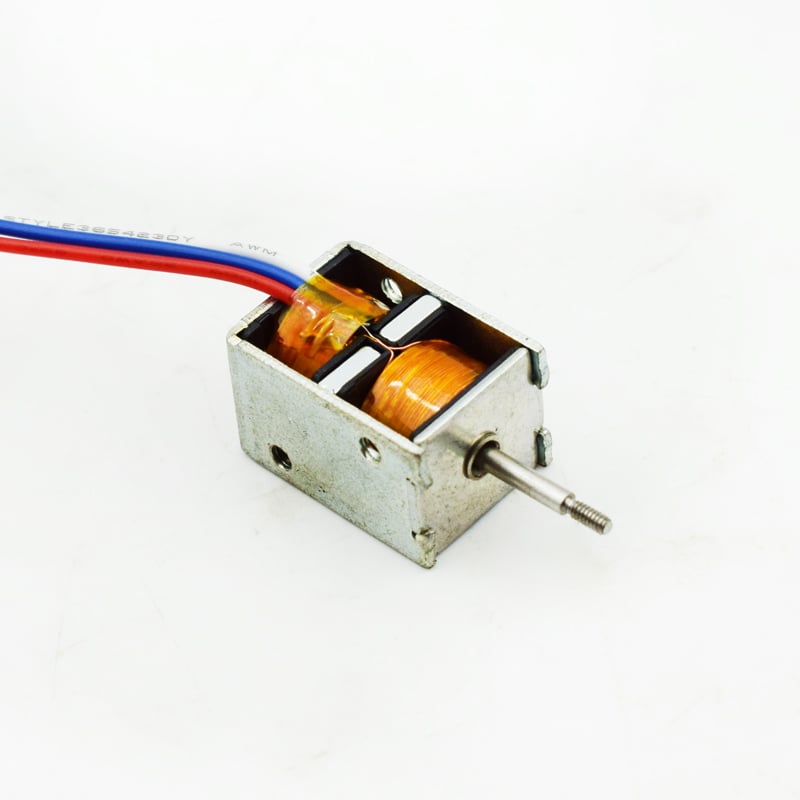
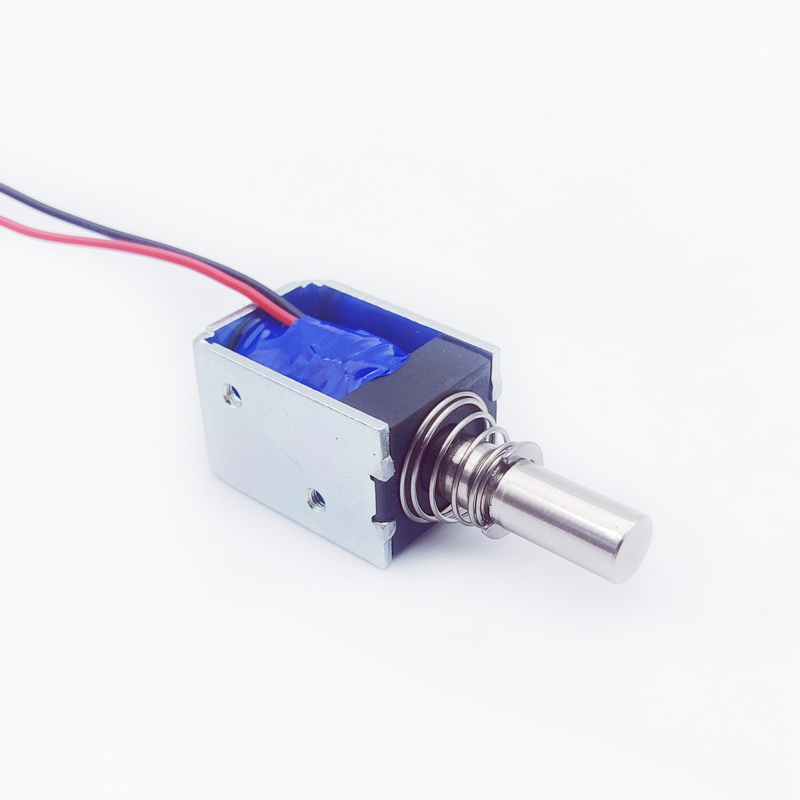
 ×
×

בישומים תעשייתיים, כל סליל מגנטי חייב לעמוד בסט מוגדר של פרמטרי ביצועים לפני שניתן יהיה לשלבו באופן מהימן במערכת. בין אם משמש בהסכת אינדוקציה, בהנעה אלקטרומגנטית, בהמרת הספק או בסינון אותות, הסליל המגנטי פועל בתנאים חשמליים ותרמיים ספציפיים המשפיעים ישירות על יציבות המערכת ואיכות הפלט. הבנת הפרמטרים הללו — ולמה הם חשובים — היא הצעד הראשון בבחירת או הגדרת הרכיב הנכון לסביבה מאתגרת של B2B.
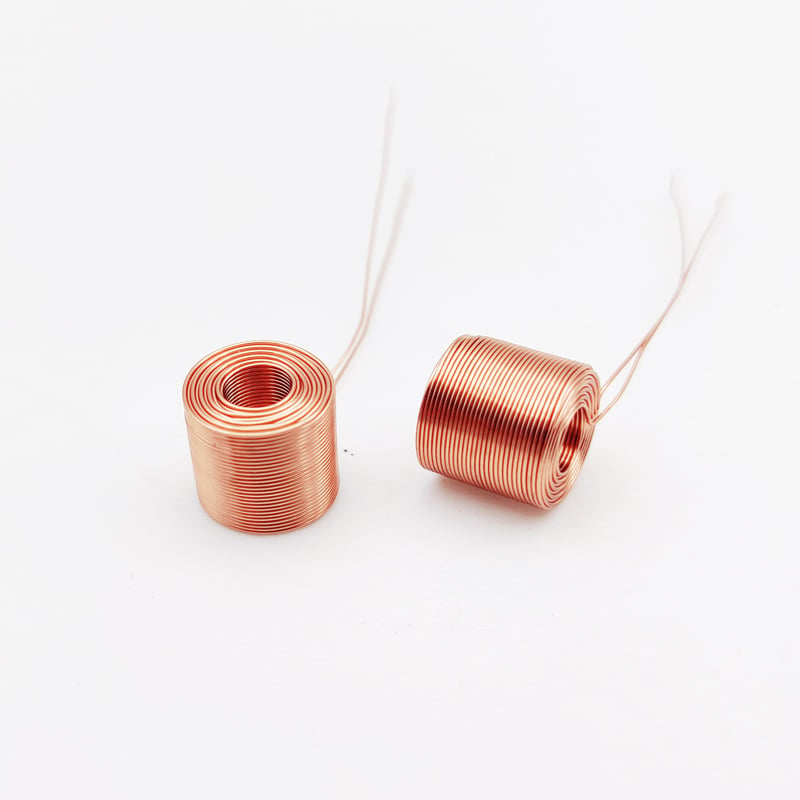
סליל מגנטי אינו רכיב פסיבי במובן הפשוט ביותר. התנהגותו משתנה בהתאם לתדר, למסה, לטמפרטורה ולתצורה הפיזית. מהנדסים העוסקים בפתרונות סלילים מגנטיים מותאמים אישית חייבים להעריך קבוצה מאורגנת של קריטריונים טכניים כדי להבטיח שכל סליל יפעל באופן צפוי לאורך תקופת שירותו. מאמר זה מתאר את פרמטרי הביצוע המרכזיים שמגדירים את היכולת והאימונות של סליל מגנטי תעשייתי.
האינדוקטיביות של катушת מגנט היא הפרמטר החשמלי היסודי ביותר. היא נמדדת בהנרי או במיליהנרי, והאינדוקטיביות מגדירה עד כמה ביעילות שומרת הקטושה את האנרגיה בשדה המגנטית שלה כאשר זורם דרכה זרם. במעגלים תעשייתיים, ערך זה חייב להיות מבוקר בקפדנות, מאחר ושינוי באינדוקטיביות משפיע ישירות על תדר הרesonנס, על ביצועי הסינון ועל יעילות העברת האנרגיה. לדוגמה, קטושת מגנט המשמשת בחימום אינדוקטיבי חייבת להגיע לערך אינדוקטיביות מדויק כדי לשמור על תדר הפעולה של המערכת ללא סטייה.
הסובלנות חשובה באותה מידה. קטושת מגנט עם ערך אינדוקטיביות נתון עלולה להיחשב כמקבלת סובלנות של פלוס או מינוס חמישה אחוזים באפליקציות מסוימות, בעוד שאלקטרוניקה חזקה מדויקת עלולה לדרוש סובלנות של פלוס או מינוס אחוז אחד או צמודה יותר. קונים חייבים תמיד לציין את סובלנות האינדוקטיביות כפרמטר נדרש בעת רכישת קטושת מגנט מותאמת לתעשייה.
ההתנגדות הזרם הישר של катушת מגנט, שנסמלה בדרך כלל כ-DCR, קובעת כמה אנרגיה נאבדת מהкатושה כחום תחת זרם ישר. התנגדות DCR נמוכה יותר מצביעה על קטושה מגנטית יעילה יותר, במיוחד ביישומים של זרם גבוה. עם זאת, ערך ה-DCR לבדו אינו מספר את вся הסיפור. גורם האיכות, הידוע כ-Q, מתאר את היחס בין ההשראות להשתנות למחסום הכולל של הקטושה המגנטית בתדר מסוים. ערך Q גבוה מצביע על קטושה מגנטית שמאחסנת אנרגיה ביעילות רבה עם אובדן חוסמי מינימלי, דבר קריטי במעגלי תהודה ומערכות תעשייתיות רגישות ל-RF. מהנדסים שבוחרים קטושה מגנטית ליישומים מדויקים צריכים להעריך את ערך ה-Q בכל טווח התדרים הפעולי, ולא רק בנקודת מדידה אחת.
שני פרמטרים הקשורים לזרם הם חיוניים בעת קביעת סליל מגנטי לשימוש תעשייתי. זרם הדרוג, שנקרא לעיתים קרובות דרוג הזרם הרציף, מגדיר את הזרם המרבי שניתן להעביר באופן רציף דרך הסליל המגנטי ללא חציית הגבולות התרמיים שלו. זרם השבעה מגדיר את הנקודה שבה חומר הליבה של הסליל המגנטי כבר לא מסוגל לתמוך בתגובה מגנטית ליניארית, מה שגורם לירידה חדה באינדוקטיביות. ביישומי אלקטרוניקה עוצמתית ומערכות ניידת מנועים, הפעלה של סליל מגנטי מעבר לזרם השבעה שלו עלולה לגרום לאי-יציבות המערכת, לייצור יתר של חום ולשבירה סופית של הסליל. על שני הערכים הללו להיות מאומתים מול תנאי הפעלה ממשיים, כולל עומסים טרנסיאנטיים מרביים, ולא רק מול ערכי מצב יציב נומינליים.
סביבות תעשייתיות מחשפות סליל מגנטי לטווח רחב של טמפרטורות סביבה, רעידה ולחות. הביצועים התרמיים של סליל מגנטי מתוארים על ידי טמפרטורת הפעולה המרבית שלו ועלית הטמפרטורה תחת עומס נומינלי. סליל מגנטי מלופף בחוט נחושת בעל מוליכות גבוהה ומבודד בחומרים עמידים לטמפרטורות גבוהות יפגין עלית טמפרטורה נמוכה יותר ויציבות תרמית גבוהה יותר בהשוואה לחלופה באיכות נמוכה יותר. ליישומים במכלולים סגורים או בצימוד לציוד עם קצב מחזור גבוה, יציבות תרמית אינה אופציה — היא מפרט עיקרי. עיצורי סלילים מגנטיים נחושת ללא ליבה מוערכים במיוחד בשל התנגדות תרמית נמוכה ותפקוד צפוי בתפעול מתמשך.
לכל סליל מגנטי יש תדר רesonנטי עצמי, שהוא הנקודה שבה הקיבול הפרזיטי שלו מבטל את ההשראות שלו, מה שגורם לסליל להתנהג יותר כקבל מאשר כמשרן. הפעלת סליל מגנטי מעל התדר הרesonנטי העצמי שלו תביא להתנהגות לא צפויה של האימפדנס ולירידה בביצועים. על המהנדסים לוודא שהתדר הרesonנטי העצמי של הסליל המגנטית הנבחר נמצא ברמה גבוהה בהרבה מהתדר המרבי של הפעולה במערכת היעד. ביישומים של השראה בתדר גבוה והמרת הספק, פרמטר זה מבדיל בין עיצובי סלילים מגנטיים מהונדסים היטב לבין אלו שיופיעו ביצועים נמוכים בשטח.
העיצוב הפיזי של סליל מגנטי — כולל מספר הפעמים שבהן הסליל מתלפף, עובי החוט, המרחק בין הגלילים, וחומר הליבה — קובע באופן ישיר את הפרמטרים החשמליים שלו. סליל מגנטי ללא ליבה (air-core) מונע לחלוטין את הרוויה של הליבה, מה שהופך אותו לאידיאלי ליישומים בתדר גבוה וזרם גבוה, שבהם אובדי הליבה היו פוגעים בביצועים. תצורת סליל מגנטי טורואידלית או סולנואידית יוצרות פרופילי השראות שונים ופילוחים שונים של שדה אלקטרומגנטי. בעת בקשת סליל מותאם אישית סליל מגנטי , חשוב באותה מידה לציין את תצורת ההתליפוף, סוג הטרמינלים והמידות המכאניות, כמו גם לציין את הפרמטרים החשמליים. האינטגריות המבנית של הסליל המגנטי משפיעה גם על התנגדותו לרטט ועל יציבותו הממדית לאורך זמן בתנאי הרכבה תעשייתיים.
הזרם הנומינלי של סליל מגנטי הוא הזרם המרבי הרציף אותו ניתן להעביר דרכו תוך כדי תחומי החום שלו, בעוד שזרם הסתבולה הוא הרמה שבה חומר הליבה מאבד את תכונותיו המגנטיות הליניאריות. עקיפת זרם הסתבולה גורמת לסליל המגנטית לאבד אינדוקציה בקצב מהיר, מה שיכול לאיים על יציבות המעגל. שני הפרמטרים הללו חייבים להוערך יחדיו בעת קביעת סליל מגנטי לשימוש תעשייתי.
גורם האיכות, או Q, של סליל מגנטי מציין עד כמה יעיל הוא באגירת אנרגיה לעומת האנרגיה שהוא מבזבז. סליל מגנטי בעל ערך Q גבוה חיוני ביישומים רזוננטיים, מסננים ותלויי תדר, מכיוון שהוא ממזער את האובדים ההתנגדותיים ומשמר התנהגות מעגלית יציבה. בעת השוואת אפשרויות של סלילים מגנטיים, יש למדוד את Q בתדר הפעלה האמיתי של המערכת ולא בתדר בדיקה סטנדרטי.
מטלט מגנטי עם ליבה אוירית הוא הבחירה המועדפת כאשר היישום פועל בתדרים גבוהים, דורש חירות מסתבבות הליבה, או מחייב אינדוקטנס יציב במיוחד על טווח זרמים רחב. מאחר שמטלט מגנטי עם ליבה אוירית אינו מכיל חומר פרומגנטי, הוא מתחמק מאובדן ההיסטרזיס וזרמי העורב שנגרמים בעיצובים עם ליבה. עובדה זו הופכת את המטלט המגנטית עם הליבה האוירית למתאימה במיוחד למערכות חימום אינדוקטיבי, יישומים של הספק RF, וציוד תעשייתי מדויק, שם ביצועי המטלט המגנטית עקביים הם הכרח מוחלט.
 חדשות חמות
2026-08-24
2026-08-17
2026-08-17
2026-08-10
2026-08-03
2026-07-30
Zhongshan Landa Technology: יצרן מותאם ISO9001 ו-UL של אלקטרומגנטים מותאמים, סולנואידים דחיפה-משיכה, וסלילי אינדוקציה לאוטומציה, רפואה, רכב ומכשירי חשמל. שותף גלובלי מהימן מאז 2008.
הקו המערבי התעשייתי מס' 8, בניין 4, קומה 3, עיריית שיאולאן, ג'ונגשאן, גואנגדונג, סין
כל הזכויות שמורות © ג'ונגשאן לנדא טקנולוגי Co., Ltd מדיניות הפרטיות

 EN
EN