 ×
×

Procuring an air core coil requires careful attention to multiple design and performance parameters before committing to a supplier or manufacturer. Design engineers often overlook critical verification steps during the air core coil procurement process, leading to costly delays, performance mismatches, or field failures. Understanding what to verify first when selecting an air core coil ensures that the component will perform reliably within your application and meet all functional requirements from the outset.
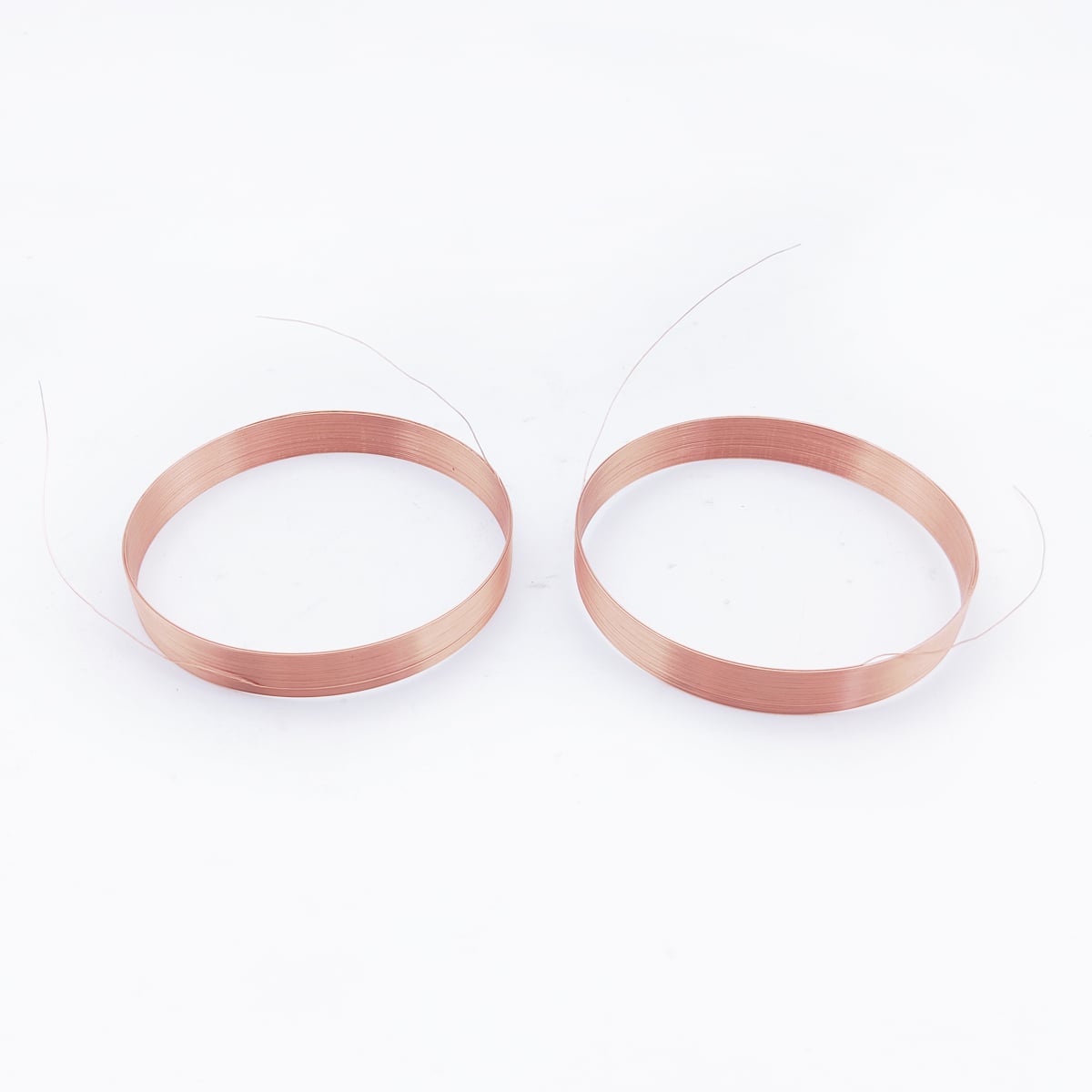
The foundation of successful air core coil procurement lies in verifying fundamental specifications before any purchasing decision. An air core coil's inductance, resistance, resonant frequency, and physical dimensions must align precisely with your circuit design and operational environment. This article covers the priority verification steps that design engineers should address first when evaluating an air core coil for integration into electromagnetic, RF, or power applications.
The inductance value is the most critical parameter when selecting an air core coil. Your circuit design specifies a target inductance, and the air core coil must deliver that value within an acceptable tolerance range, typically plus or minus five to ten percent for most applications. Before procurement, verify that the supplier's inductance specification matches your design requirements exactly and that the tolerance band is tight enough to avoid circuit tuning issues. Measure or request inductance test data at the specific frequency at which your application will operate, because inductance can vary slightly with frequency. An air core coil that meets DC inductance specs but drifts at your operating frequency will cause unexpected performance degradation in the field.
The resistance of an air core coil directly affects power loss, heat generation, and circuit efficiency. Wire gauge, wire material, and coil geometry all influence resistance in an air core coil. During procurement verification, obtain the DC resistance value and, if available, the AC resistance at your operating frequency, which is often higher due to skin effect. The quality factor, or Q factor, represents the ratio of inductance to resistance in an air core coil and indicates how efficiently the coil stores energy without dissipating it as heat. A high Q factor in your air core coil means lower losses and better performance in resonant circuits. Request Q factor data from the supplier to confirm that your air core coil meets or exceeds the minimum Q requirements for your application.
Physical fit is a non-negotiable factor in air core coil procurement. Verify that the coil's outer diameter, height, and footprint match your PCB layout, chassis space, and mechanical constraints. Some applications require an air core coil with specific lead configurations, such as radial leads, axial leads, or custom connection points. During procurement, confirm that the air core coil's physical dimensions are documented in a detailed drawing or datasheet, and cross-check these against your mechanical assembly requirements. A mismatch in physical dimensions discovered after purchase can require expensive redesign or force you to source alternative components, derailing your project timeline.
Environmental conditions affect air core coil performance and longevity. Verify the operating temperature range and ensure that your air core coil can function reliably across the minimum and maximum temperatures your application will experience. Temperature coefficient of inductance is an important specification that indicates how much the air core coil's inductance will shift with temperature changes. If your application operates in harsh environments, such as automotive, industrial, or outdoor settings, confirm that the air core coil's insulation rating, moisture resistance, and material composition are appropriate. UV resistance, vibration durability, and chemical compatibility with surrounding materials should all be verified during procurement to avoid premature failure in the field.
Before finalizing air core coil procurement, request comprehensive test data from the supplier demonstrating that the specific unit or batch meets all specified parameters. Test certificates should include inductance measurements, resistance measurements, Q factor calculations, and resonant frequency data. An air core coil from a quality manufacturer will have been tested at their facility using calibrated instruments and documented in a certificate of compliance or test report. Verify that the supplier follows recognized standards, such as IEC or industry-specific quality protocols, to ensure consistency and traceability. This documentation becomes crucial if performance issues arise after integration, allowing you to troubleshoot whether the air core coil met its specifications at purchase or whether the issue lies elsewhere in your system.
The wire material used in an air core coil directly affects electrical performance and reliability. Copper is the standard choice due to its low resistance and high conductivity. During air core coil procurement, confirm that the wire is genuine copper and not a copper-clad or alloy substitute that might have higher resistance and unexpected behavior. The insulation type, thickness, and breakdown voltage rating must match your application's electrical stress levels. For high-frequency applications, verify that the air core coil uses appropriate insulation that does not introduce excessive dielectric loss. Request detailed specifications on wire gauge, copper purity, insulation material, and insulation thickness to ensure that your air core coil will maintain performance and safety throughout its operational life.
The self-resonant frequency of an air core coil is the frequency at which the coil begins to behave as a capacitor rather than an inductor due to distributed capacitance effects. For RF and high-frequency applications, confirming that the air core coil's self-resonant frequency is well above your operating frequency is essential. If your application frequency approaches or exceeds the self-resonant frequency of the air core coil, the coil's inductance will decrease and the impedance response will become unpredictable. During procurement verification, request frequency response plots or self-resonant frequency data to ensure that your air core coil will remain inductive across your entire operating frequency band. This single verification step prevents many field failures in communications, sensor, and RF circuit applications.
If your air core coil carries significant current, verify the maximum current rating and ensure it matches your application's peak and continuous current demands. Excessive current through an air core coil generates heat in the wire resistance, which can raise the temperature and shift inductance values. For power applications, confirm that the air core coil can handle your peak transient currents without saturating or degrading performance. The supplier should provide a current rating or guidance on safe operating current ranges for the air core coil. Testing the air core coil at or near its maximum current rating during bench verification will help you confirm that temperature rise remains within acceptable limits and that inductance stability is maintained under load.
The first verification step is confirming that the inductance value and tolerance of the air core coil match your circuit design exactly. Request inductance measurements at your actual operating frequency, not just at DC or a nominal frequency, because an air core coil's inductance can vary with frequency and temperature. Mismatched inductance is the leading cause of circuit performance problems after procurement, so this parameter demands priority attention before any other verification steps.
The Q factor of an air core coil represents energy efficiency by expressing the ratio of stored energy to dissipated energy at a given frequency. A higher Q factor in an air core coil means lower resistive losses, reduced heat generation, and better performance in resonant and RF circuits. During procurement, verifying that the air core coil's Q factor exceeds your application's minimum requirement ensures that the coil will operate efficiently and reliably without unexpected performance degradation caused by excessive losses.
Request environmental and temperature specifications from the supplier that match your operational conditions. For an air core coil used in automotive, industrial, or outdoor applications, verify the operating temperature range, temperature coefficient of inductance, moisture resistance, UV stability, and vibration durability ratings. Request or conduct accelerated environmental testing on sample units of the air core coil to confirm performance under worst-case conditions. This comprehensive verification prevents field failures and ensures that your air core coil will maintain performance throughout its intended operational life in demanding environments.
 Hot News
2026-09-21
2026-09-11
2026-09-08
2026-09-04
2026-09-01
2026-08-24
Zhongshan Landa Technology: ISO9001 & UL-certified manufacturer of custom electromagnets, push-pull solenoids, and induction coils for automation, medical, auto & appliances. Trusted global partner since 2008.
3F, Building 4, No.8 North Industrial Avenue Xiaolan, Xiaolan Town, Zhongshan, Guangdong, China
Copyright © Zhongshan Landa Technology Co., Ltd All Rights Reserved Privacy Policy

 EN
EN