 ×
×

Choosing the right bistable solenoid for hold-without-power applications requires understanding how these specialized electromagnets maintain their state without continuous electrical input. Unlike standard solenoids that rely on ongoing current to maintain force, a bistable solenoid uses residual magnetic force to hold its position even after power is removed, making it ideal for energy-efficient industrial automation, safety systems, and emergency shutdown mechanisms. This fundamental difference shapes every aspect of selection, from coil design to material specifications.
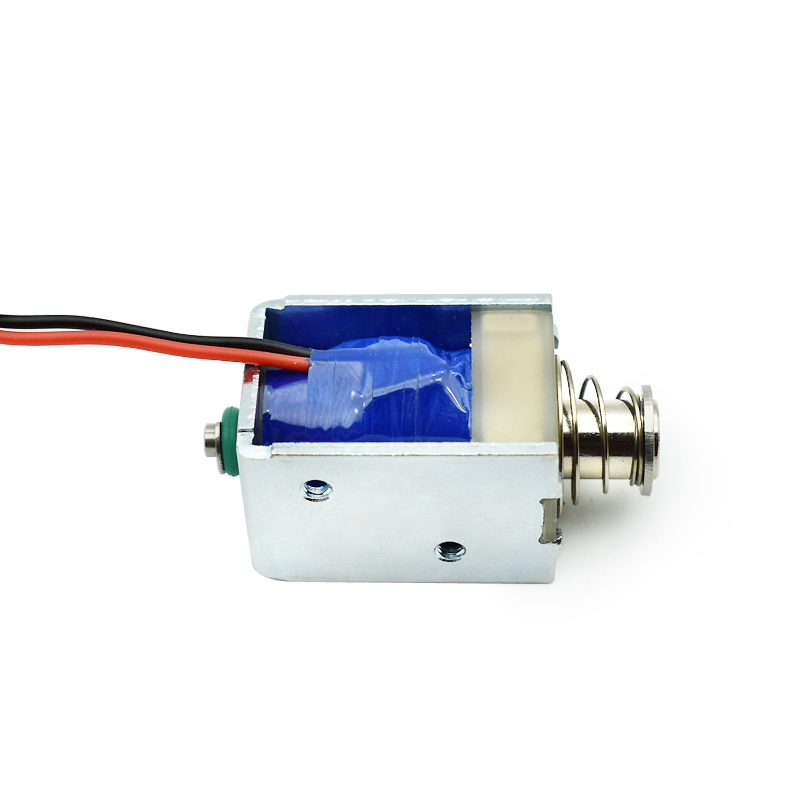
Hold-without-power functionality is critical in applications where power loss must not compromise safety or operational integrity. A bistable solenoid achieves this through permanent magnet technology combined with electromagnetic switching, creating a dual-stable state design that eliminates the need for constant energization. Understanding the technical parameters that drive this capability will help you specify the correct component for your specific operational demands and environmental constraints.
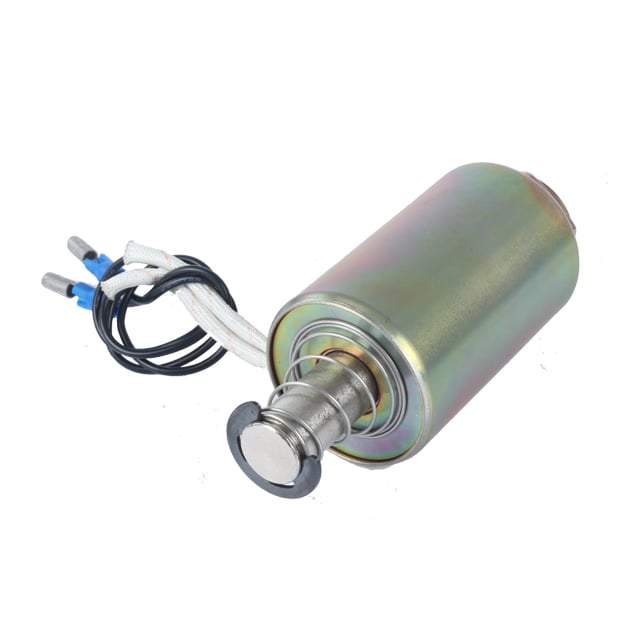
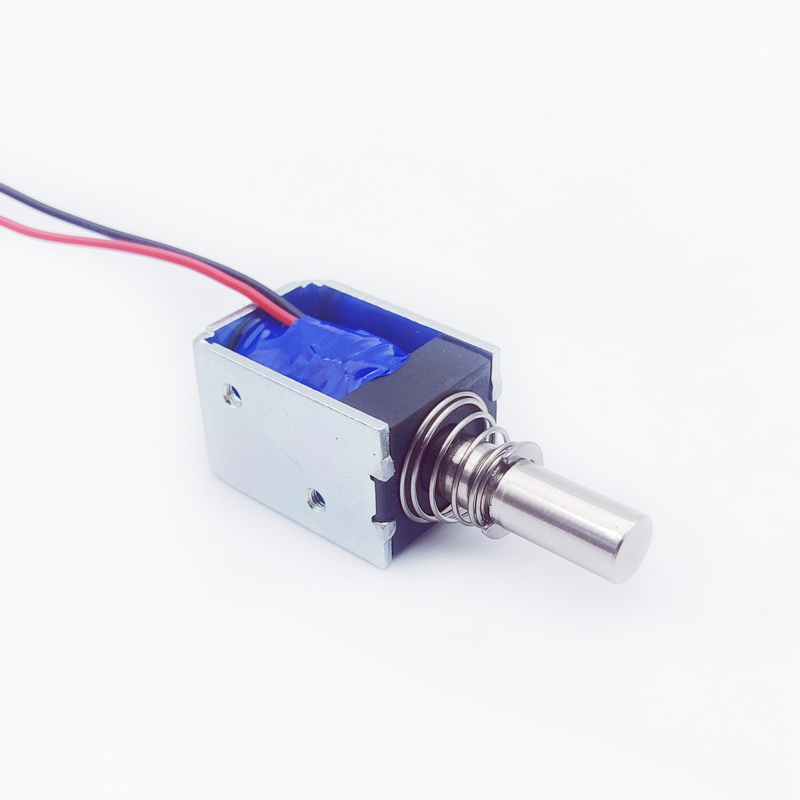
The core innovation in a bistable solenoid lies in its permanent magnet architecture. Unlike traditional solenoids that depend entirely on electromagnets, a bistable solenoid integrates permanent magnets into its plunger and magnetic circuit to create two stable equilibrium positions. When you energize the coil in one direction, the electromagnetic force overcomes the permanent magnet's residual field, shifting the plunger to one stable state. When you remove power, the permanent magnet holds the plunger in that position without consuming energy.
This design eliminates thermal drift, reduces power consumption, and improves system reliability by decoupling holding force from coil current. A bistable solenoid switches to the opposite stable position only when you apply current in the reverse polarity, making it inherently fail-safe for hold-without-power scenarios. The strength and grade of the permanent magnet directly influence how reliably the bistable solenoid maintains its position under mechanical stress or vibration.
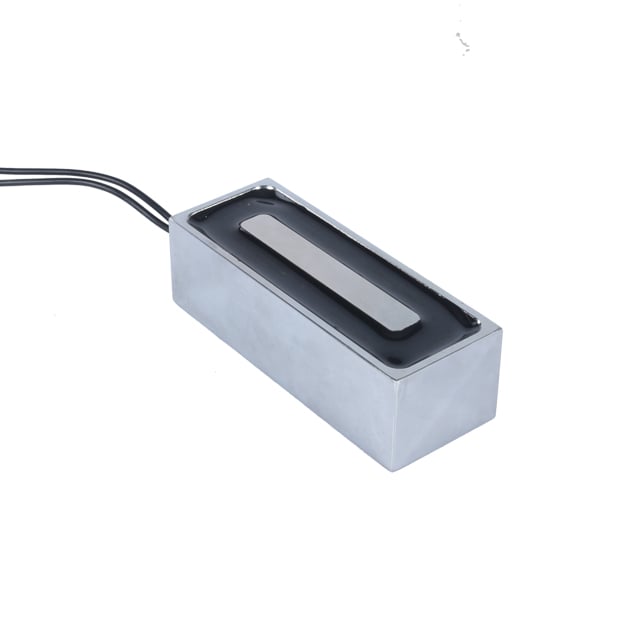
The magnetic circuit architecture of a bistable solenoid determines how efficiently permanent magnetic force translates into holding force at the plunger. A well-optimized bistable solenoid minimizes air gaps, uses high-permeability steel cores, and geometrically aligns the permanent magnet to maximize flux density in the gap where the plunger sits. Poor magnetic circuit design results in weak holding force despite a strong permanent magnet, which will compromise the reliability of hold-without-power operation.
When selecting a bistable solenoid, verify that the manufacturer provides measured holding force at the rated stroke length, not just theoretical estimates. The permanent magnet's contribution to holding force is nonlinear; it depends on plunger position, material composition of the core, and the presence of mechanical load. A robust bistable solenoid should specify holding force across the full range of operating positions to ensure safe operation under real-world conditions.
Electrical specifications for a bistable solenoid differ from conventional solenoids because switching depends on pulse duration and polarity reversal rather than continuous current. Most bistable solenoid designs operate on 12V or 24V DC, with coil resistance and inductance tailored to achieve switching within 5–50 milliseconds depending on the application. The current pulse required to switch a bistable solenoid is typically higher than holding current, which is why control circuits must supply separate switching and holding power profiles.
When you specify a bistable solenoid, confirm that your control system can deliver the correct pulse polarity and duration. Insufficient pulse energy will fail to switch the bistable solenoid, while excessive pulse duration may overheat the coil without additional benefit. Temperature compensation also affects bistable solenoid performance; resistance changes with temperature alter current flow and switching reliability, so verify that the rated switching energy accounts for the operating temperature range of your application.
The stroke length of a bistable solenoid defines how far the plunger travels between stable positions, typically ranging from 3mm to 10mm in standard industrial designs. Longer stroke lengths in a bistable solenoid require stronger permanent magnets and more robust mechanical structures, increasing cost and size. The force output of a bistable solenoid must exceed the maximum load force you expect in your application, including friction, spring resistance, and any external mechanical load applied to the plunger.
Hold-without-power performance depends critically on force matching. If your mechanical load approaches the holding force of the bistable solenoid, vibration or shock can displace the plunger despite the permanent magnet. Therefore, select a bistable solenoid with significantly higher holding force than your maximum expected load to maintain a safety margin. A design rule of thumb is to choose a bistable solenoid where holding force exceeds the load by at least 50 percent to account for uncertainty in load estimation and environmental variation.
Environmental conditions dramatically affect whether a bistable solenoid will reliably hold its state without power. Temperature swings alter the permanent magnet's residual flux density; most permanent magnets lose magnetization at elevated temperatures, reducing the holding force of a bistable solenoid. Industrial applications often expose a bistable solenoid to temperature ranges of 0 to 60 degrees Celsius or wider, so verify that the permanent magnet material (typically neodymium or samarium cobalt) maintains adequate holding force across the full operating range.
Vibration and mechanical shock are equally critical. A bistable solenoid in a hold-without-power application must resist unwanted switching due to vibration energy. High-frequency vibration can gradually shift the plunger toward the opposite stable state if the holding force margin is insufficient. For applications subject to shock or continuous vibration, select a bistable solenoid with mechanical damping features or specify a design with extra-high holding force to absorb transient forces safely.
The permanent magnet inside a bistable solenoid requires protection from corrosion and moisture to maintain magnetic properties over years of service. Neodymium magnets are susceptible to oxidation if exposed to moisture, which will degrade the holding force of the bistable solenoid. Ensure that the bistable solenoid you select includes corrosion-resistant coatings on all ferrous components and an effective seal to prevent water ingress into the magnetic circuit.
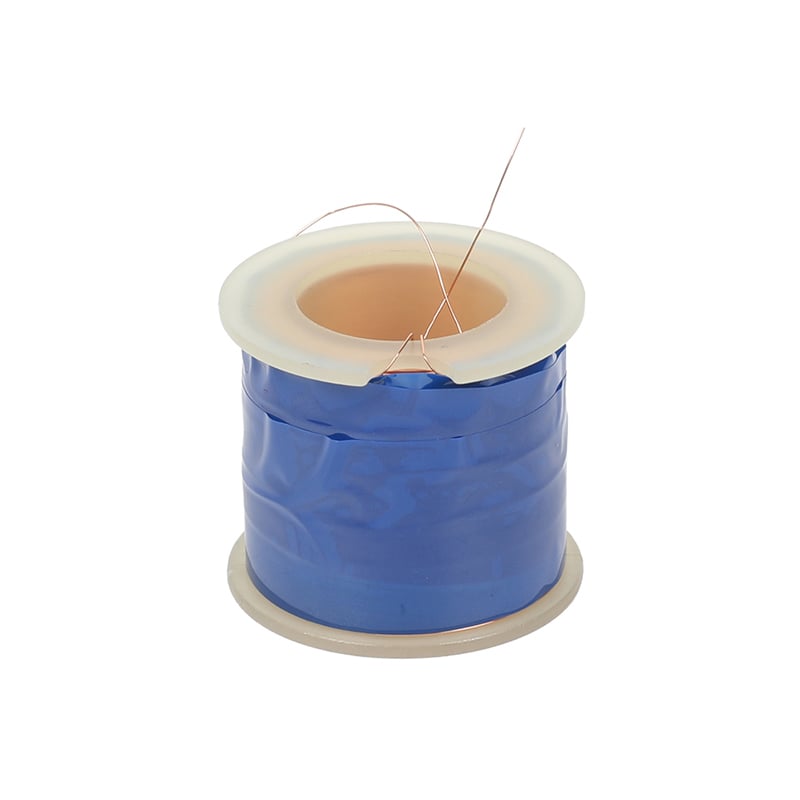
Stainless steel construction or nickel-plated components are common in robust bistable solenoid designs intended for harsh environments. The coil insulation must also resist temperature cycling and mechanical stress without degradation. Long-term reliability of a bistable solenoid depends on material quality, so request environmental testing data or certifications that confirm the design will function correctly after extended storage or exposure to humidity and temperature fluctuations.
The primary advantage of a bistable solenoid is its ability to hold position without consuming power after switching. A standard solenoid requires continuous current to maintain force, while a bistable solenoid uses permanent magnets to maintain its state indefinitely without electrical input. This makes a bistable solenoid significantly more energy-efficient, reduces heat generation, and provides passive fail-safe operation in safety-critical applications where power loss must not compromise device state.
To verify vibration resilience, select a bistable solenoid with holding force at least 50 percent higher than your maximum expected mechanical load. Ask the manufacturer for holding force stability data across the operating temperature range and for any vibration or shock test results relevant to your environment. Additionally, confirm that the bistable solenoid design includes mechanical stops or damping features that limit plunger travel and prevent unintended switching due to transient forces.
Yes, a bistable solenoid can be controlled with a standard DC power supply, but it requires a bidirectional or reversible control circuit that can apply current in opposite polarities to switch between stable states. The supply voltage must match the bistable solenoid coil rating (typically 12V or 24V), and the circuit must deliver a defined current pulse of sufficient duration to trigger switching. Many industrial controllers and relay modules are compatible with bistable solenoid operation, but confirm pulse timing and polarity specifications with your bistable solenoid manufacturer to ensure reliable switching.
 Hot News
2026-10-15
2026-10-13
2026-10-08
2026-10-06
2026-10-01
2026-09-21
Zhongshan Landa Technology: ISO9001 & UL-certified manufacturer of custom electromagnets, push-pull solenoids, and induction coils for automation, medical, auto & appliances. Trusted global partner since 2008.
3F, Building 4, No.8 North Industrial Avenue Xiaolan, Xiaolan Town, Zhongshan, Guangdong, China
Copyright © Zhongshan Landa Technology Co., Ltd All Rights Reserved Privacy Policy

 EN
EN