 ×

Installing an electromagnetic door lock requires careful planning, proper understanding of fire safety codes, and meticulous execution to ensure both security and compliance. An electromagnetic door lock serves as a critical infrastructure component in modern buildings, controlling access while maintaining evacuation routes during emergencies. Facilities managers, security professionals, and building contractors must understand the installation process thoroughly to guarantee that these systems function reliably when needed most. This guide walks you through every essential step of installing an electromagnetic door lock for fail-safe fire compliance, from initial assessment through final testing and verification.
Fire code compliance transforms an electromagnetic door lock installation from a simple security measure into a life-safety system. Building codes across jurisdictions mandate specific requirements for fail-safe operation, meaning the electromagnetic door lock must unlock automatically during power loss or fire alarm activation. Understanding these regulatory requirements before beginning installation prevents costly rework and ensures your facility meets all applicable standards. The installation process involves electrical integration, mechanical mounting, access control programming, and comprehensive testing to verify fail-safe behavior under real emergency conditions.
Fail-safe operation means an electromagnetic door lock releases automatically when power is lost, allowing occupants to exit freely during emergencies. This critical design principle prevents people from becoming trapped behind locked doors during fires or power outages. An electromagnetic door lock installed without proper fail-safe configuration violates fire codes and creates severe safety liabilities. Building inspectors verify that your electromagnetic door lock system can unlock within two seconds of power interruption, ensuring rapid egress for all building occupants during crisis situations.
National Fire Protection Association codes, state building departments, and local authorities enforce specific requirements for electromagnetic door lock systems at fire exits and emergency egress routes. Your electromagnetic door lock must be UL-certified for fail-safe operation and clearly labeled for fire exit use. Many jurisdictions require an electromagnetic door lock on exit doors to unlock automatically upon smoke detector activation or manual alarm pull. Documentation of your electromagnetic door lock's fail-safe certification and installation compliance becomes essential for passing building inspections and maintaining insurance coverage.
Before purchasing or installing an electromagnetic door lock, inspect the door frame structure to ensure it can support the lock's holding force and weight. Most electromagnetic door lock units designed for commercial use exert 600 to 1,200 pounds of holding force, requiring solid metal frames or reinforced wooden frames with additional bracing. Your electrical infrastructure must supply sufficient power and include a dedicated circuit for the electromagnetic door lock system. Check existing wiring capacity, identify power source locations, and determine whether your facility requires battery backup systems to maintain the electromagnetic door lock during power failures.
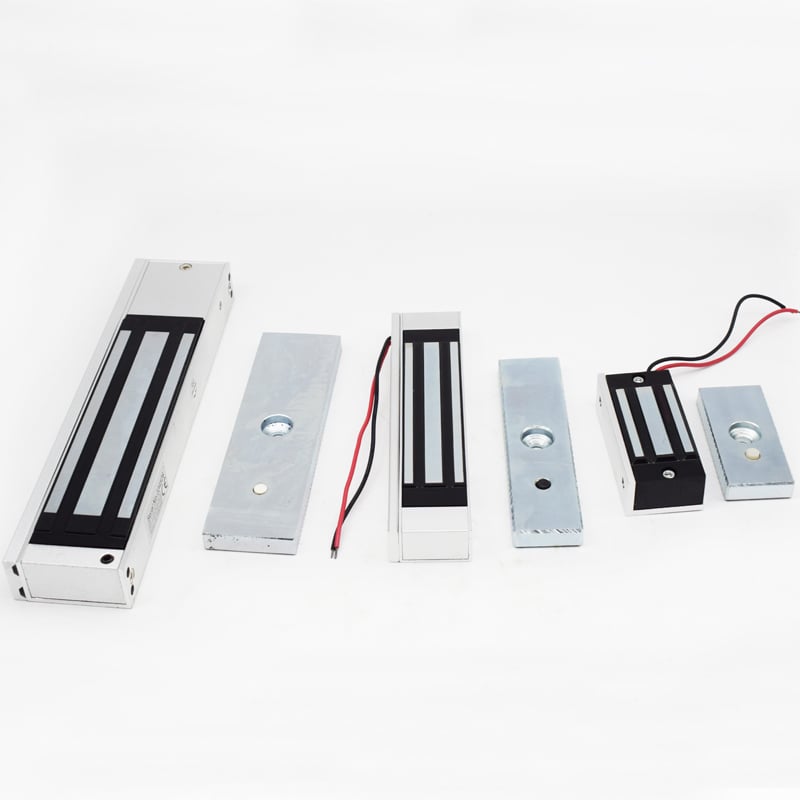
Different building applications require different electromagnetic door lock types. Frameless glass doors need surface-mounted electromagnetic door lock units, while solid doors allow recessed installation for a cleaner appearance. Your electromagnetic door lock voltage selection depends on available power supply and building electrical standards, typically operating at 12V DC or 24V DC. Consider whether you need an electromagnetic door lock with integrated card readers, keypad access, or connection to existing access control systems. Document all electromagnetic door lock specifications before installation to maintain compliance records and ensure replacements match the original specifications.
Begin by positioning the electromagnetic door lock bracket or mounting plate on the door header or frame, ensuring perfect alignment with the corresponding strike plate on the door. Most commercial electromagnetic door lock units include detailed installation templates showing exact drilling locations. Drill pilot holes carefully to prevent frame damage, then secure the electromagnetic door lock bracket using corrosion-resistant fasteners suitable for your specific frame material. For an electromagnetic door lock installation on exit doors, ensure the mounting allows for smooth door operation without binding or resistance. Test door swing multiple times before final tightening to confirm the electromagnetic door lock doesn't interfere with normal door movement.
Route electrical conduit from your power source to the electromagnetic door lock location, following all local electrical codes and fire-safety guidelines for cable routing. Your electromagnetic door lock typically requires a dedicated 20-amp circuit protected by a circuit breaker, separate from general building circuits. Connect power leads to the electromagnetic door lock terminals using appropriate gauge wiring and secure connections rated for the electromagnetic door lock's amperage draw. Install a power supply unit designed specifically for fail-safe door locks if your electromagnetic door lock system includes battery backup capability. Test all electrical connections with a multimeter before energizing the system to prevent damage or short circuits.
Your electromagnetic door lock must connect to a fail-safe control module that automatically unlocks the door during fire alarm activation or power loss. Install the fail-safe relay module adjacent to the electromagnetic door lock power supply, following manufacturer wiring diagrams precisely. Connect the control module to your fire alarm system's monitored output to ensure the electromagnetic door lock receives unlock signals within code-specified timeframes. Program access control software if your electromagnetic door lock integrates with card readers or keypad systems, ensuring fail-safe logic takes priority over all other access modes. Test the electromagnetic door lock fail-safe function repeatedly to confirm immediate unlock response to emergency signals.
With the electromagnetic door lock fully installed and powered, test normal operation by activating and deactivating the lock through your access control panel at least twenty times. Document each test result and confirm the electromagnetic door lock responds consistently without delay. Test fail-safe operation by simulating fire alarm activation and verifying that the electromagnetic door lock releases within two seconds. Verify that manual unlock buttons operate correctly and that emergency bypass keys function when installed on your electromagnetic door lock model. Include fail-safe testing in your monthly maintenance logs to document ongoing compliance with fire codes.
Prepare comprehensive installation documentation including electromagnetic door lock specifications, circuit diagrams, wiring schematics, and certification records. Create a maintenance schedule for your electromagnetic door lock system, including annual professional inspections and functional testing protocols. Label the electromagnetic door lock circuit breaker and power supply clearly to identify fail-safe door lock equipment for building maintenance personnel. Provide building occupants with awareness information about the fail-safe electromagnetic door lock system and emergency egress procedures. Submit all documentation to your building inspector and fire marshal for approval before considering the electromagnetic door lock installation complete.
Most commercial electromagnetic door lock systems operate on 12V DC or 24V DC power supplies, with holding forces ranging from 600 to 1,200 pounds depending on the model. Your specific electromagnetic door lock will include manufacturer specifications for voltage requirements, amperage draw, and battery backup compatibility. Ensure your power supply includes surge protection and comes from a dedicated circuit separate from general building loads to prevent electromagnetic door lock failure during peak electrical demand.
Building codes require an electromagnetic door lock to unlock and release within two seconds of fire alarm activation or power loss to ensure rapid occupant egress. Your fail-safe relay module must be configured to unlock the electromagnetic door lock immediately upon receiving the alarm signal, with no delays or manual intervention required. Testing and verification procedures confirm that your electromagnetic door lock meets these strict response time requirements before the system can be approved for use.
While electromagnetic door lock installation is possible on most exit doors, frameless glass doors and some specialized applications require particular electromagnetic door lock models designed for those specific mounting conditions. Solid metal or wood doors accommodate standard surface-mounted or recessed electromagnetic door lock units, while glass doors typically need specialized electromagnetic door lock brackets with reinforced mounting plates. Always verify that your selected electromagnetic door lock model is approved for your specific door type and building use classification before proceeding with installation.
 Hot News
2026-10-15
2026-10-13
2026-10-08
2026-10-06
2026-10-01
2026-09-21
Zhongshan Landa Technology: ISO9001 & UL-certified manufacturer of custom electromagnets, push-pull solenoids, and induction coils for automation, medical, auto & appliances. Trusted global partner since 2008.
3F, Building 4, No.8 North Industrial Avenue Xiaolan, Xiaolan Town, Zhongshan, Guangdong, China
Copyright © Zhongshan Landa Technology Co., Ltd All Rights Reserved Privacy Policy

 EN