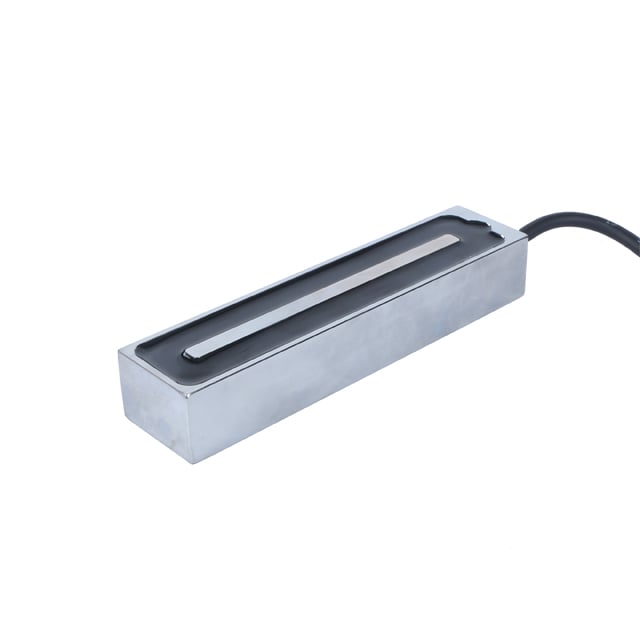
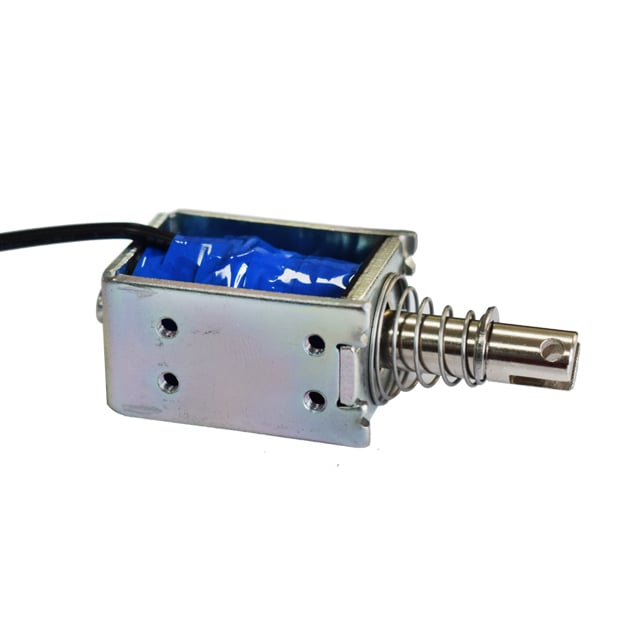
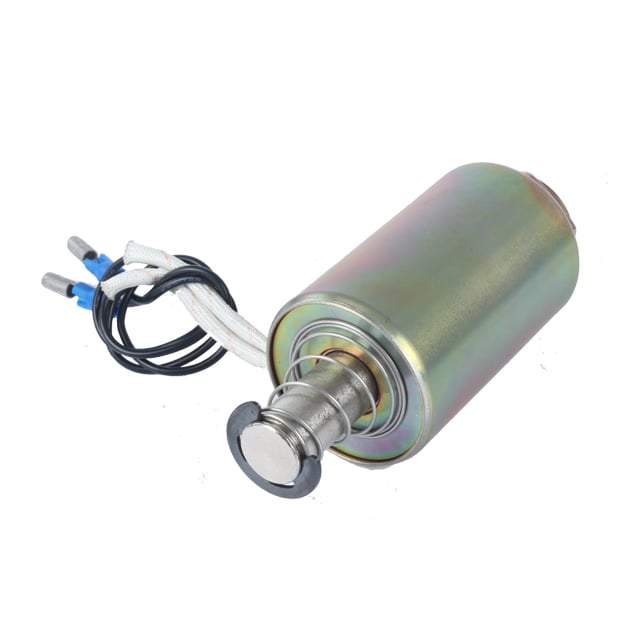
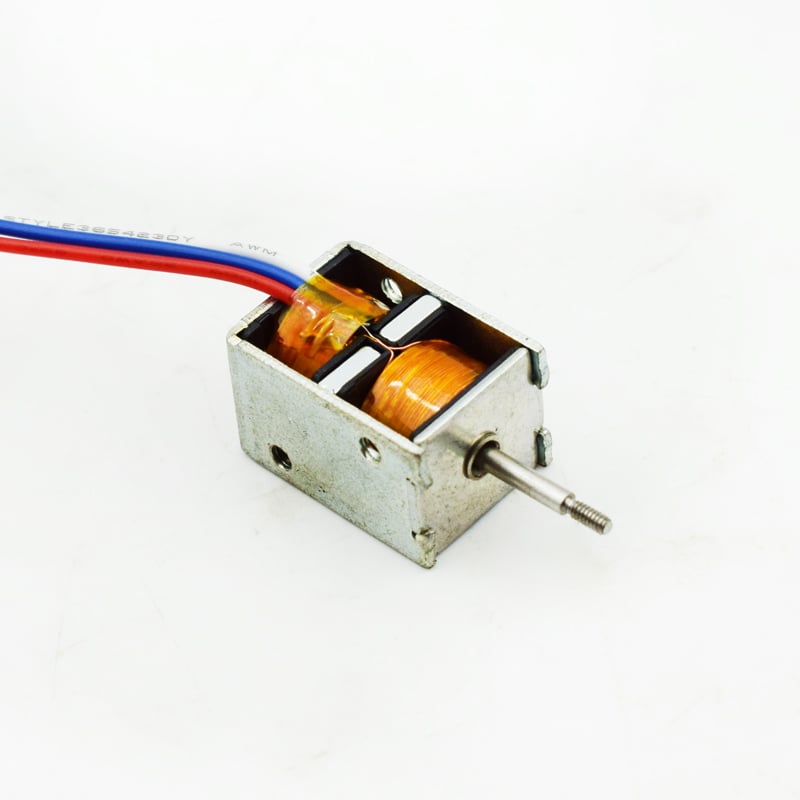
solenoid control valve
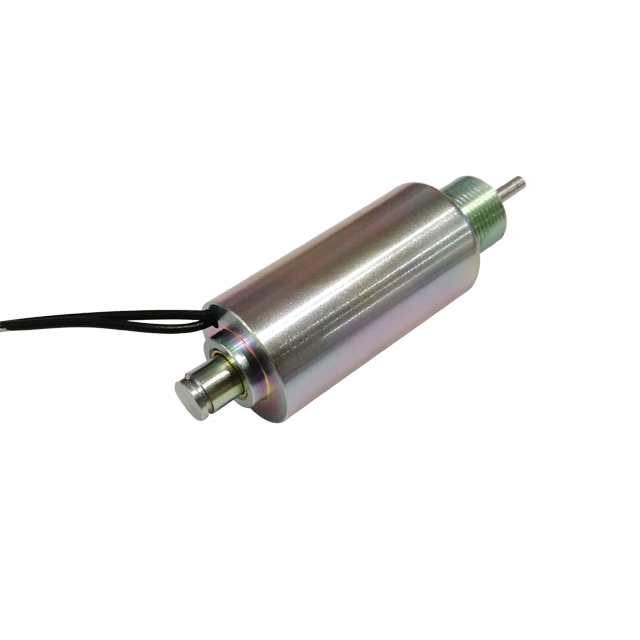
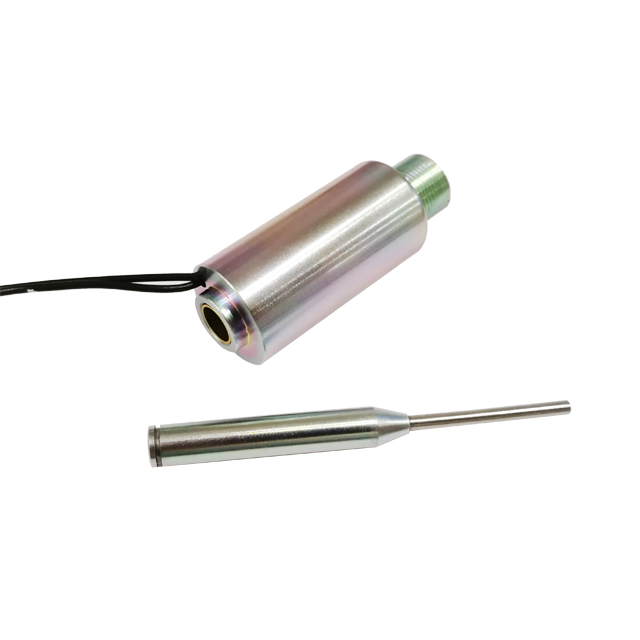
A solenoid control valve is an electromechanical device that regulates fluid flow through a pipeline system by utilizing an electromagnetic solenoid to actuate the valve mechanism. This essential component converts electrical energy into mechanical motion, enabling precise control over liquid or gas flow in various industrial and commercial applications. The solenoid control valve operates through a simple yet effective principle: when electrical current passes through the solenoid coil, it generates a magnetic field that moves a plunger or armature, which in turn opens or closes the valve seat. The main functions of a solenoid control valve include starting and stopping fluid flow, regulating flow rates, and directing media through different pathways in complex systems. These valves are designed with advanced technological features such as rapid response times, typically operating within milliseconds, ensuring efficient process control. Modern solenoid control valve designs incorporate materials resistant to corrosion and high temperatures, making them suitable for demanding environments. They are available in various configurations including two-way, three-way, and four-way designs, accommodating different operational requirements. Applications for solenoid control valve technology span numerous industries including manufacturing automation, water treatment facilities, HVAC systems, irrigation networks, medical equipment, automotive systems, and chemical processing plants. Their versatility makes them indispensable in applications requiring remote operation, automated control sequences, and integration with programmable logic controllers and building management systems for enhanced operational efficiency.
 ×
×


 EN
EN