 ×
×

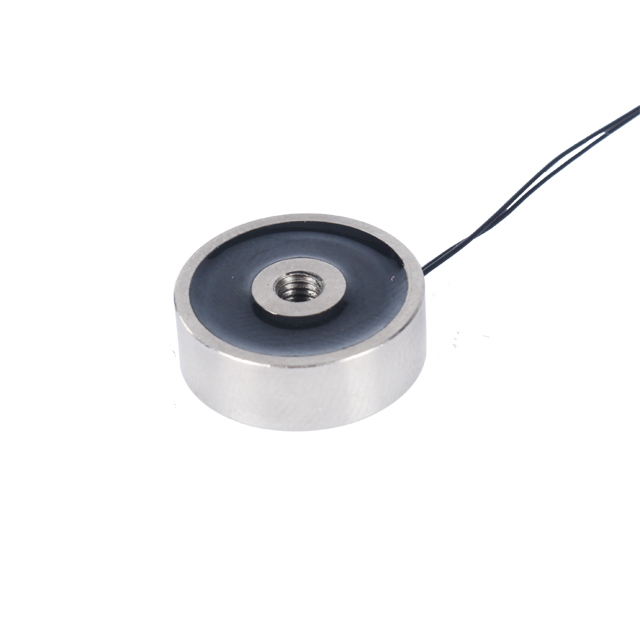
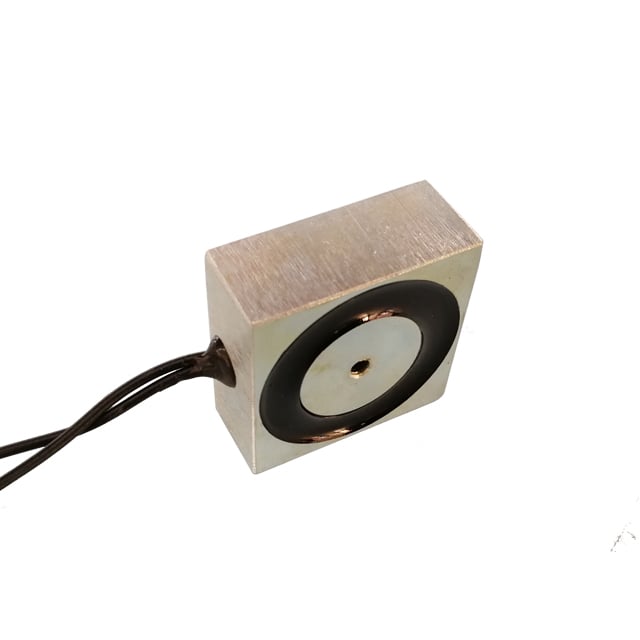
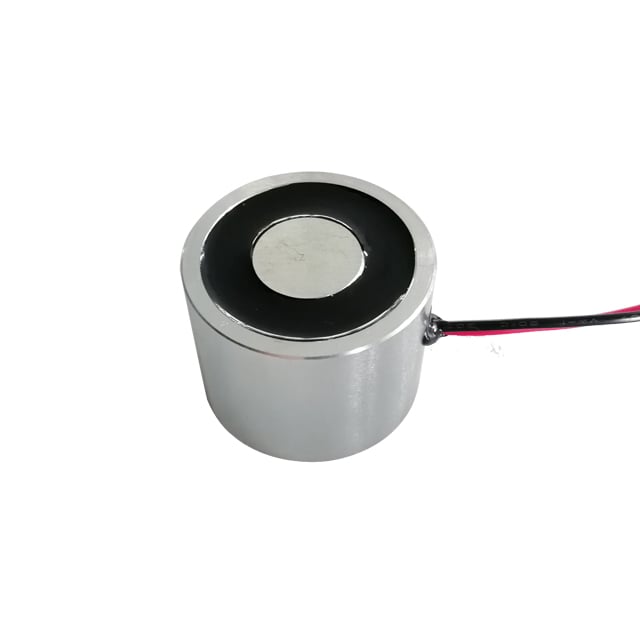
Understanding the common failure modes of a holding electromagnet is essential for engineers and maintenance teams working with industrial automation, material handling systems, and precision manufacturing equipment. A holding electromagnet is designed to maintain a constant magnetic force when energized, securing components, holding doors, or stabilizing loads. However, like any electromechanical device, a holding electromagnet can experience various failure modes that compromise its performance, reduce holding force, or lead to complete functional loss. Recognizing these failure modes early helps prevent costly downtime, ensures operational safety, and extends the service life of the holding electromagnet in demanding applications.
The failure modes of a holding electromagnet vary depending on design, operating environment, duty cycle, and the quality of materials used in construction. Failures can be electrical, thermal, mechanical, or environmental in origin. Electrical failures in a holding electromagnet often stem from coil insulation breakdown, wire fatigue, or poor solder joints. Thermal failures occur when a holding electromagnet operates beyond its rated temperature, causing coil resistance changes or permanent demagnetization. Mechanical failures include physical damage to the core, misalignment, or wear of contact surfaces that reduce magnetic coupling. Environmental factors such as moisture ingress, corrosive atmospheres, and vibration exposure further accelerate the degradation of a holding electromagnet. This article examines these failure modes in detail, providing actionable insights for troubleshooting and preventive maintenance strategies tailored to the holding electromagnet in industrial contexts.
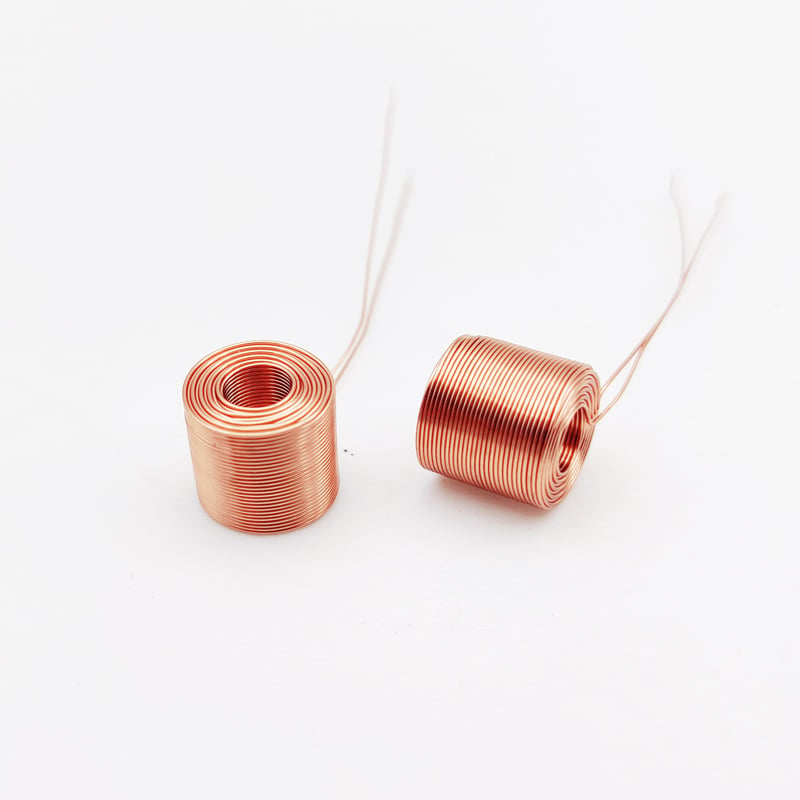
One of the most common electrical failures in a holding electromagnet is coil insulation breakdown. The coil of a holding electromagnet consists of many turns of insulated copper wire wound around a ferromagnetic core. Over time, the insulation material can degrade due to thermal cycling, voltage spikes, or mechanical stress. When insulation fails, adjacent wire turns may short circuit, reducing the effective coil resistance and altering the current draw. A holding electromagnet with partial coil shorts will exhibit reduced holding force because fewer wire turns contribute to the magnetic field. In severe cases, a short circuit in a holding electromagnet coil can cause overheating, tripping protective devices, or complete coil burnout. Insulation breakdown is accelerated in holding electromagnet applications with high ambient temperatures, poor ventilation, or exposure to voltage transients from nearby inductive loads or switching events.
An open circuit is another critical electrical failure mode in a holding electromagnet. This occurs when the electrical continuity of the coil is interrupted, preventing current flow and eliminating the magnetic field entirely. Open circuits in a holding electromagnet can result from broken wire strands due to mechanical vibration, fatigue from repeated thermal expansion and contraction, or poor soldering at terminal connections. External connection issues such as loose terminal screws, corroded connectors, or damaged lead wires also cause open circuit conditions in a holding electromagnet. When a holding electromagnet experiences an open circuit, it loses all holding force immediately, which can lead to dropped loads, safety hazards, or process interruptions. Detecting open circuits requires continuity testing with a multimeter, and troubleshooting should include inspection of both internal coil integrity and external wiring connections for the holding electromagnet.
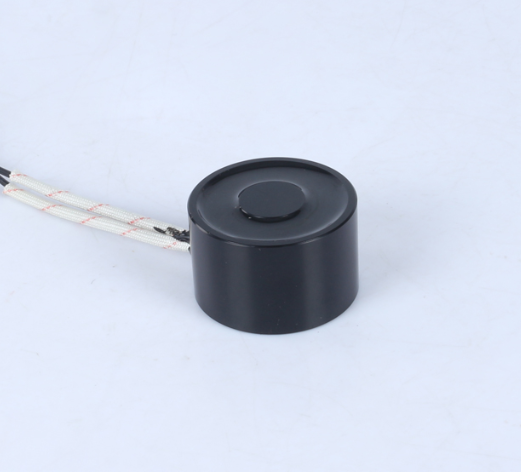
Operating a holding electromagnet outside its rated voltage or current specifications is a frequent cause of electrical failure. Applying voltage significantly higher than the rated value to a holding electromagnet increases coil current, leading to excessive joule heating and rapid insulation degradation. Conversely, undervoltage conditions reduce the magnetic flux density in a holding electromagnet, weakening the holding force and potentially causing operational failure if the load exceeds the reduced force capacity. Current overload in a holding electromagnet can also occur due to external factors such as power supply malfunction, incorrect wiring, or loss of current-limiting protection. Prolonged overload causes the coil of a holding electromagnet to overheat, softening the insulation and increasing the risk of short circuits. Proper electrical design for a holding electromagnet system includes surge protection, voltage regulation, and thermal monitoring to prevent overload-related failures.
Thermal failure is one of the most damaging modes for a holding electromagnet, particularly in continuous-duty applications. When a holding electromagnet is energized, electrical resistance in the coil generates heat. If the heat dissipation rate is insufficient to balance the heat generation, the coil temperature of the holding electromagnet rises. Elevated temperatures increase coil resistance, which further increases power dissipation in a positive feedback loop known as thermal runaway. A holding electromagnet experiencing thermal runaway will rapidly exceed its thermal limits, causing insulation softening, coil deformation, or permanent coil damage. Thermal failure in a holding electromagnet is more likely in high-duty-cycle applications, poor ambient cooling, or when the holding electromagnet is installed in enclosed spaces without adequate ventilation. Designers must ensure that the holding electromagnet operates within its thermal rating and that sufficient heat sinking or forced cooling is provided.
Some holding electromagnet designs incorporate permanent magnets to reduce power consumption or provide fail-safe holding force. In these hybrid holding electromagnet configurations, excessive heat can demagnetize the permanent magnet component, leading to loss of residual holding force. Permanent magnets used in a holding electromagnet have temperature-dependent coercivity, and exceeding the magnet's maximum operating temperature causes irreversible loss of magnetic properties. Demagnetization in a holding electromagnet reduces the effective holding force even when the coil is energized, and the loss is permanent unless the magnet is replaced. Thermal management is critical for hybrid holding electromagnet designs, especially in applications with high ambient temperatures or frequent energization cycles that generate significant heat within the holding electromagnet assembly.
Repeated thermal cycling in a holding electromagnet causes expansion and contraction of coil, core, and housing materials. Different materials in a holding electromagnet assembly expand at different rates, inducing mechanical stress at interfaces and mounting points. Over time, thermal cycling can crack solder joints, loosen coil windings, or cause delamination of potting compounds in a holding electromagnet. These mechanical effects degrade the electrical and magnetic performance of the holding electromagnet and increase susceptibility to other failure modes. Potting compounds used to encapsulate the coil of a holding electromagnet can crack or separate from the coil windings due to thermal stress, allowing moisture ingress and accelerating insulation failure. Selecting materials with compatible thermal expansion coefficients and designing the holding electromagnet with stress-relief features can mitigate thermal expansion failures.
The holding force of a holding electromagnet is highly sensitive to the air gap between the electromagnet face and the ferromagnetic target. Mechanical wear on the contact surface of a holding electromagnet reduces the effective contact area and increases the average air gap, directly reducing holding force. Surface wear in a holding electromagnet occurs due to repeated contact cycles, abrasive particles, or misalignment that causes uneven loading. Even minor surface damage or corrosion on a holding electromagnet face can significantly reduce the magnetic flux coupling efficiency. A holding electromagnet operating in dirty or abrasive environments is particularly vulnerable to surface wear. Regular inspection of the contact surfaces of a holding electromagnet and periodic cleaning or resurfacing can prevent wear-related holding force degradation.
Continuous vibration exposure is a common cause of mechanical failure in a holding electromagnet, especially in mobile machinery, conveyor systems, or high-speed automation equipment. Vibration induces cyclic stress in the coil windings, solder joints, and mounting hardware of a holding electromagnet, leading to fatigue failures over time. Wire strands in the coil of a holding electromagnet can fracture due to repeated flexing, causing intermittent open circuits or increased coil resistance. Mounting bolts and screws securing a holding electromagnet to its installation point can loosen under vibration, causing misalignment or complete detachment. Internal components of a holding electromagnet such as coil retainers or core laminates can also shift or separate due to vibration. Vibration-resistant designs for a holding electromagnet include potted coils, locking fasteners, and elastomeric mounting isolators to absorb shock and reduce transmitted vibration.
Environmental exposure to moisture is a significant failure mode for a holding electromagnet in outdoor installations, wash-down areas, or humid industrial environments. Moisture can penetrate the housing of a holding electromagnet through damaged seals, cable entry points, or porous potting materials. Once inside, moisture causes corrosion of the coil wire, terminal connections, and ferromagnetic core of the holding electromagnet. Corrosion increases electrical resistance, reduces magnetic permeability, and can lead to open circuits or short circuits in the holding electromagnet. Moisture also accelerates insulation breakdown by reducing dielectric strength. A holding electromagnet exposed to salt spray or chemical vapors is at even higher risk of corrosion-related failure. Protective measures for a holding electromagnet include sealed housings, conformal coating of coil windings, stainless steel or plated core materials, and proper cable gland selection to maintain ingress protection ratings.
The most common failure mode in a holding electromagnet is coil insulation breakdown, often caused by thermal stress, voltage transients, or mechanical wear. Insulation failure leads to short circuits that reduce holding force or cause complete coil burnout. Regular thermal monitoring and proper voltage regulation help prevent this failure mode in a holding electromagnet.
Temperature has a direct impact on the performance of a holding electromagnet. Elevated temperatures increase coil resistance, reducing current and magnetic flux, which lowers holding force. Excessive heat can also demagnetize permanent magnets in hybrid holding electromagnet designs and accelerate insulation degradation. A holding electromagnet must operate within its rated temperature range to maintain reliable performance.
Yes, mechanical vibration is a significant failure mode for a holding electromagnet. Vibration causes fatigue in coil windings, loosens solder joints and mounting hardware, and can crack potting compounds. Over time, vibration-induced fatigue leads to intermittent electrical faults or complete failure of the holding electromagnet. Vibration isolation and robust mechanical design are essential for a holding electromagnet in high-vibration applications.
 Hot News
2026-10-15
2026-10-13
2026-10-08
2026-10-06
2026-10-01
2026-09-21
Zhongshan Landa Technology: ISO9001 & UL-certified manufacturer of custom electromagnets, push-pull solenoids, and induction coils for automation, medical, auto & appliances. Trusted global partner since 2008.
3F, Building 4, No.8 North Industrial Avenue Xiaolan, Xiaolan Town, Zhongshan, Guangdong, China
Copyright © Zhongshan Landa Technology Co., Ltd All Rights Reserved Privacy Policy

 EN
EN