 ×
×

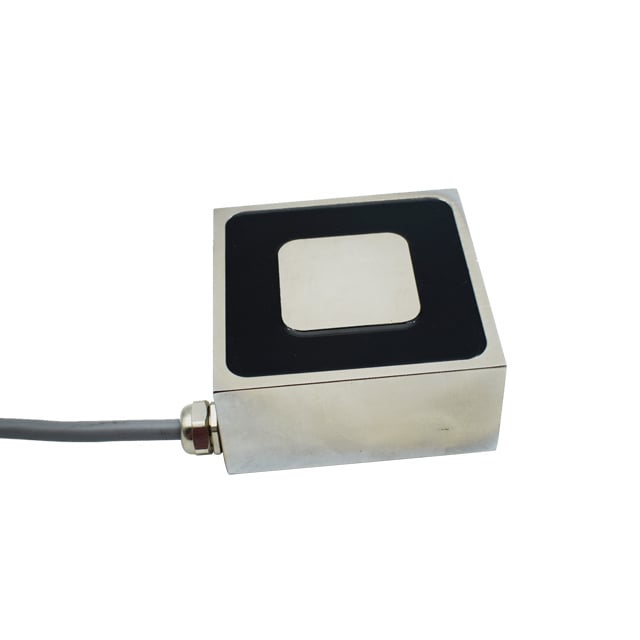
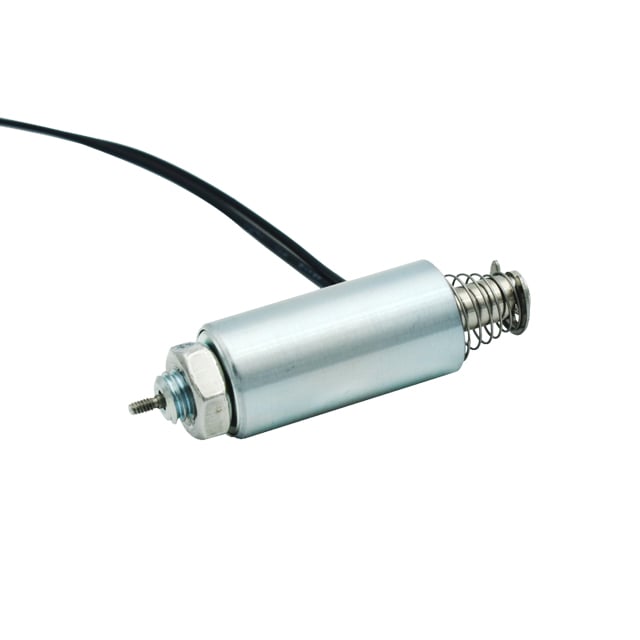
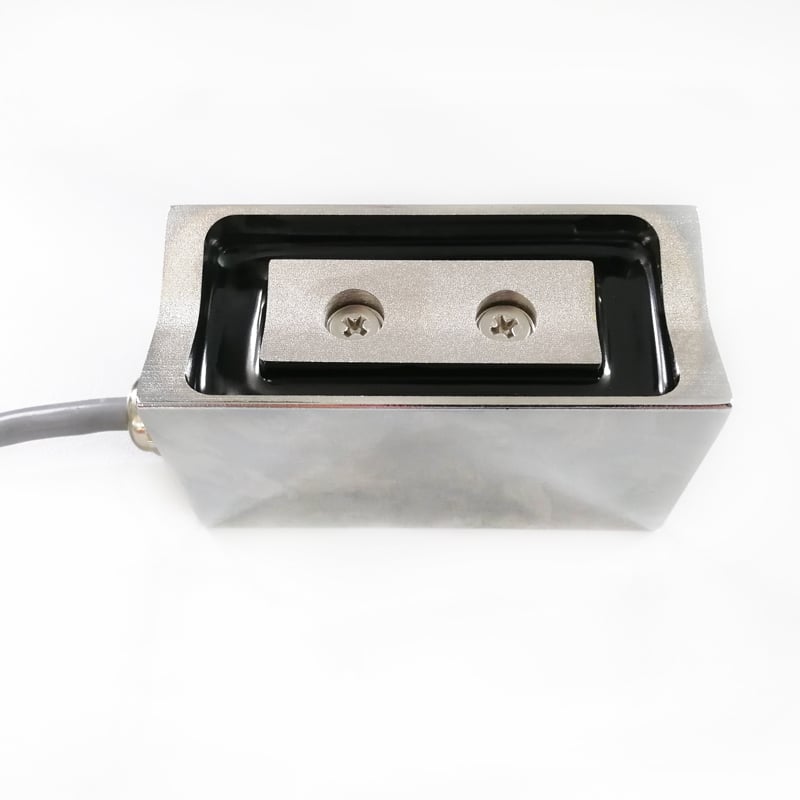
An electromagnet is one of the most versatile magnetic devices used across industrial, commercial, and automation environments. Whether you are designing a pick-and-place system, a locking mechanism, or a material handling assembly, understanding what determines an electromagnet's holding force and duty cycle is essential for making the right engineering and procurement decisions. These two performance parameters are closely linked, and misunderstanding either one can lead to poor system reliability or premature device failure.
Every electromagnet specification sheet includes a rated holding force and a duty cycle rating, but these numbers are only meaningful when interpreted in context. Factors such as coil design, power supply voltage, contact surface quality, and thermal management all influence how an electromagnet actually performs in your application. This article breaks down the core determinants of electromagnet holding force and duty cycle so engineers and buyers can evaluate specifications with confidence.
The holding force of an electromagnet is primarily determined by the strength of the magnetic flux it generates and how efficiently that flux is directed through the magnetic circuit. The core material plays a critical role here. A well-designed electromagnet uses low-reluctance, high-permeability steel to maximize flux density within the core and pole faces. When the electromagnet contacts a ferromagnetic target, the flux crosses the air gap and creates an attractive force proportional to the square of the flux density in that gap. Even a slight increase in flux density results in a significant holding force gain, which is why core geometry is carefully engineered in precision electromagnet products.
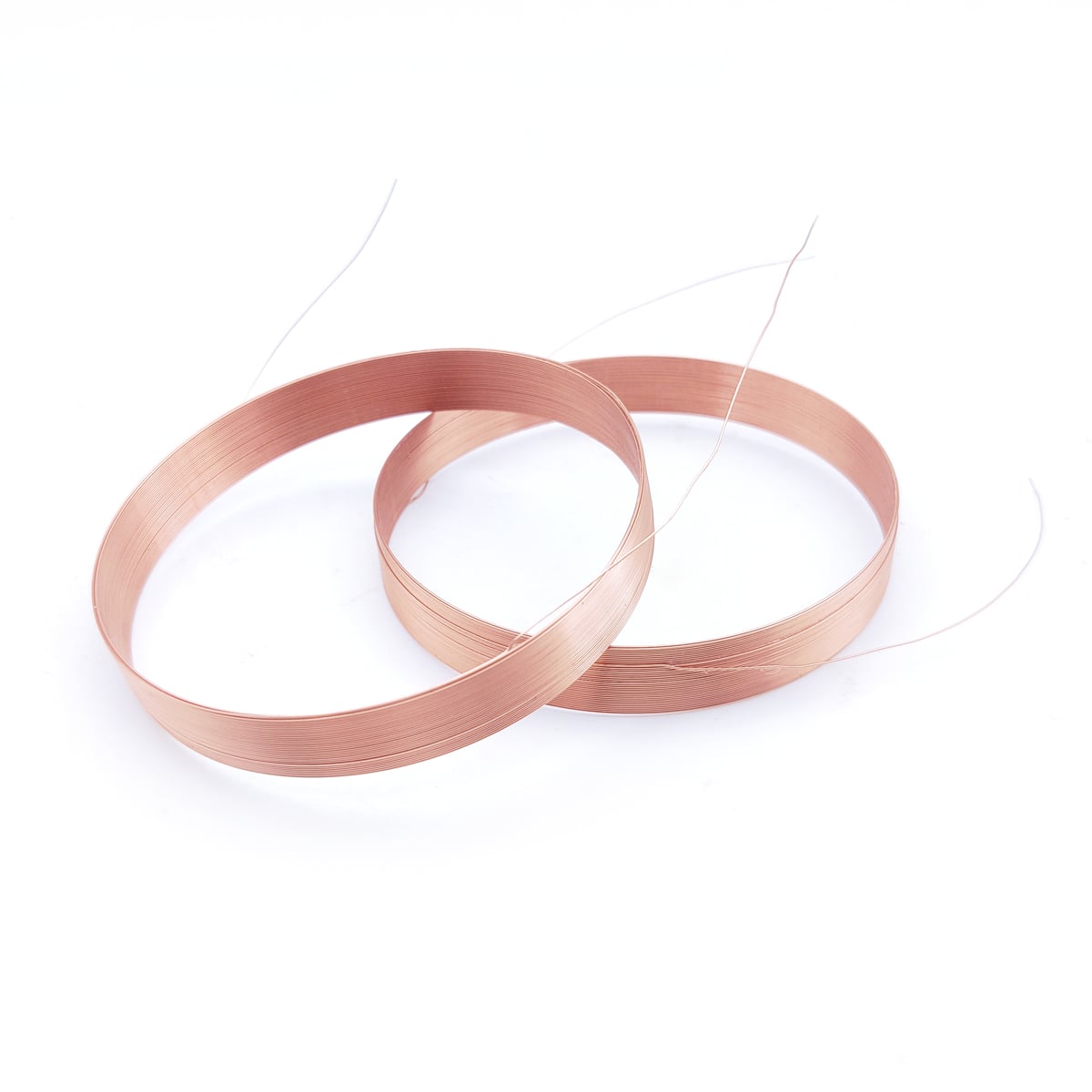
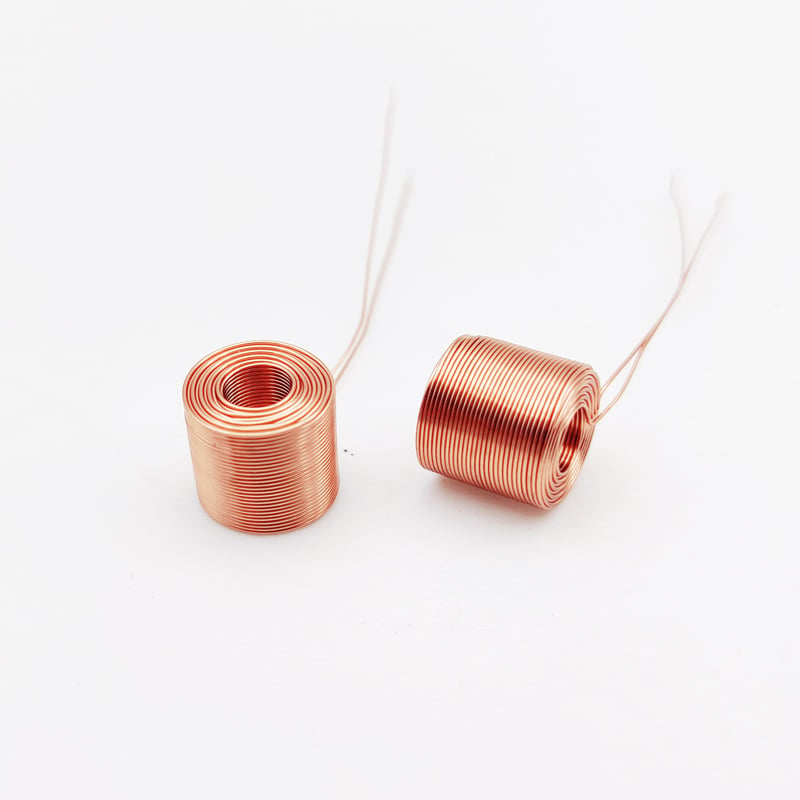
The number of turns in the coil and the current flowing through it directly determine the magnetomotive force (MMF) of the electromagnet. A higher MMF drives more flux through the magnetic circuit, increasing the holding force. However, increasing coil turns also raises coil resistance and inductance, which affects how quickly the electromagnet responds and how much heat it generates during operation. Designers must balance these factors to achieve the target force within an acceptable form factor.
The holding force of an electromagnet is extremely sensitive to the quality of contact between the pole face and the target surface. Even a small air gap, as thin as 0.1 mm, can reduce holding force dramatically because the reluctance of an air gap is far higher than that of steel. Surface flatness, cleanliness, and material compatibility all affect how well the electromagnet couples magnetically with its load. In practice, operators should ensure that both the electromagnet pole face and the target are free of paint, rust, and debris to achieve the rated force. A rough or uneven contact surface acts as a distributed air gap and consistently underperforms compared to a clean, flush contact.
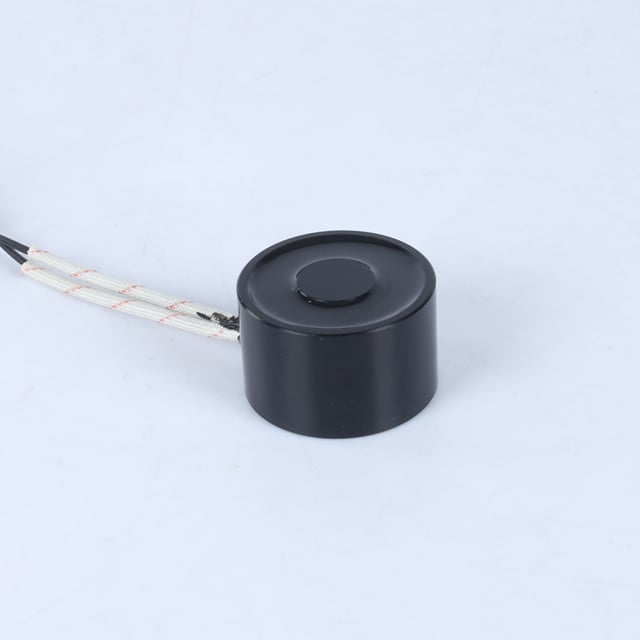
Duty cycle describes the percentage of time an electromagnet can remain energized within a defined operating period without exceeding safe coil temperature limits. When an electromagnet is powered, current flows continuously through the copper winding, generating resistive heat according to Joule's law. If the electromagnet stays energized for too long without adequate cooling time, the coil temperature rises beyond the insulation class rating, degrading the wire insulation and eventually causing a short-circuit failure. Duty cycle is therefore a thermal management constraint rather than a magnetic one.
A typical electromagnet rated at 50% duty cycle means it should be energized for no more than half of any operating cycle, with the remaining half allowed for cooling. Some electromagnet designs use thermally optimized coil formers, high-temperature insulation wire, or embedded thermal cutouts to extend permissible duty cycles. For applications requiring continuous operation, a continuous-duty electromagnet with appropriate power management is the correct choice rather than forcing a standard electromagnet beyond its thermal rating.
Applying a voltage higher than the rated value to an electromagnet increases current through the coil proportionally, which raises both holding force and heat generation simultaneously. Even a modest overvoltage of 10% to 20% can significantly shorten coil life by accelerating thermal degradation. Conversely, undervoltage reduces the electromagnet's holding force and may cause unreliable operation in safety-critical applications. Stable, regulated power supplies that match the electromagnet's rated DC voltage are essential for maintaining both performance and service life. Many industrial electromagnet systems use voltage regulation or current-limiting circuits specifically to control thermal load.
In practice, the holding force and duty cycle of an electromagnet are not independent parameters. When an electromagnet is used at its full rated holding force, the coil current is typically at its design maximum, meaning heat generation is also at its peak. This leaves less thermal headroom for extended energization periods. Engineers who push an electromagnet to its peak force rating must correspondingly reduce duty cycle to protect the coil. Conversely, operating an electromagnet at reduced voltage or with a current-limiting resistor lowers the holding force but allows longer on-times without thermal risk.
Understanding this trade-off is critical when specifying an electromagnet for automated or repetitive-cycle machinery. A compact electromagnet rated at 200 N holding force may be ideal for a system that cycles quickly, energizing for short bursts to pick and release components. But the same electromagnet used in a sustained clamping application may overheat unless the duty cycle is carefully managed. Always consult the electromagnet datasheet for rated on-time, off-time, and ambient temperature assumptions before finalizing your design.
The orientation of the electromagnet relative to the load also affects effective holding force. Rated holding force values are typically measured in direct axial tension, meaning the load pulls straight away from the pole face. If the electromagnet is used in a shear or lateral loading direction, effective force can drop substantially. Environmental conditions such as elevated ambient temperature, vibration, and humidity also affect both the electromagnet's thermal margin and its magnetic performance. In hot environments, the permissible duty cycle must be reduced further because the baseline coil temperature is already elevated before energization begins.
Holding force degradation in an electromagnet is most commonly caused by coil resistance increase due to thermal aging, oxidation of the pole face, or mechanical wear that introduces an air gap. Regular inspection and cleaning of contact surfaces, along with confirming correct supply voltage, will help maintain consistent electromagnet performance over time.
Raising the supply voltage above the rated level will temporarily increase electromagnet holding force, but it also increases coil current and heat generation, which significantly shortens coil life. A better approach is to select an electromagnet with a higher force rating for your application rather than overdriving a lower-rated unit.
For continuous clamping, you should specify an electromagnet explicitly rated for 100% or continuous duty. Standard electromagnet products rated at 25% or 50% duty cycle are not designed for sustained energization and will fail prematurely if used continuously without an adequate cooling interval.
 Hot News
2026-10-15
2026-10-13
2026-10-08
2026-10-06
2026-10-01
2026-09-21
Zhongshan Landa Technology: ISO9001 & UL-certified manufacturer of custom electromagnets, push-pull solenoids, and induction coils for automation, medical, auto & appliances. Trusted global partner since 2008.
3F, Building 4, No.8 North Industrial Avenue Xiaolan, Xiaolan Town, Zhongshan, Guangdong, China
Copyright © Zhongshan Landa Technology Co., Ltd All Rights Reserved Privacy Policy

 EN
EN