 ×
×

The rise of smart actuators has transformed industrial automation, yet the solenoid continues to hold a critical position across manufacturing, aerospace, medical devices, and fluid control systems. While smart actuators offer programmable logic, network connectivity, and diagnostic feedback, the solenoid delivers unmatched simplicity, cost efficiency, and proven reliability in environments where digital complexity adds little operational value. Understanding why the solenoid remains indispensable requires examining both its inherent strengths and the practical limitations of smart actuator deployment in real-world industrial contexts.
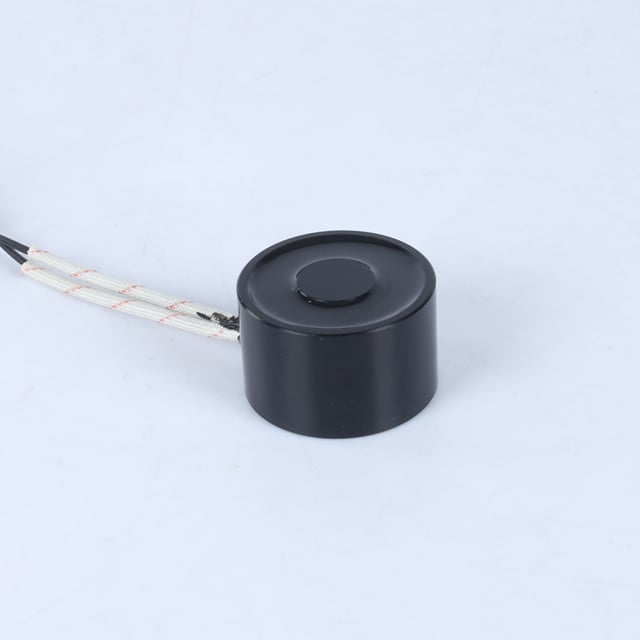
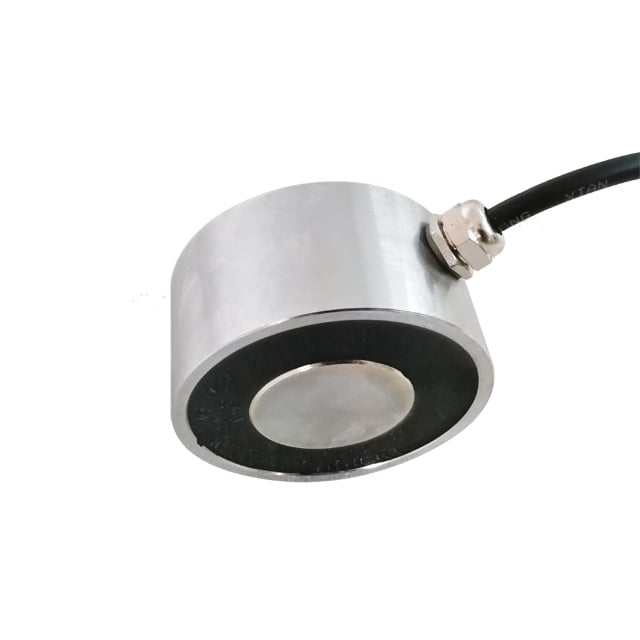
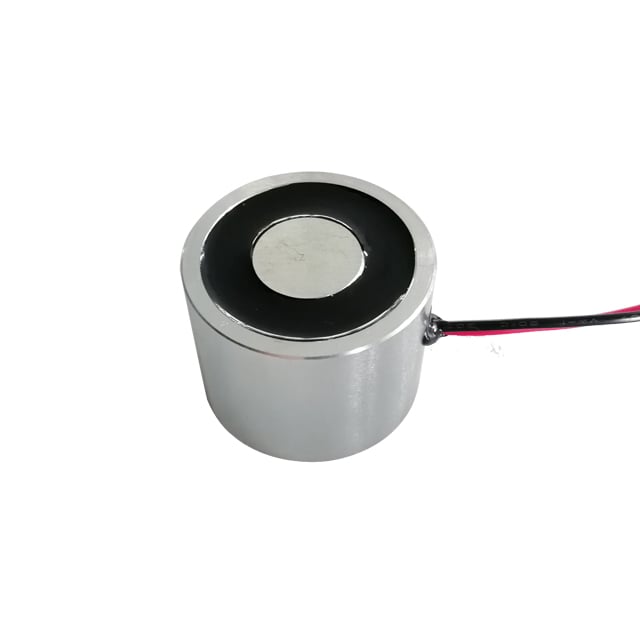
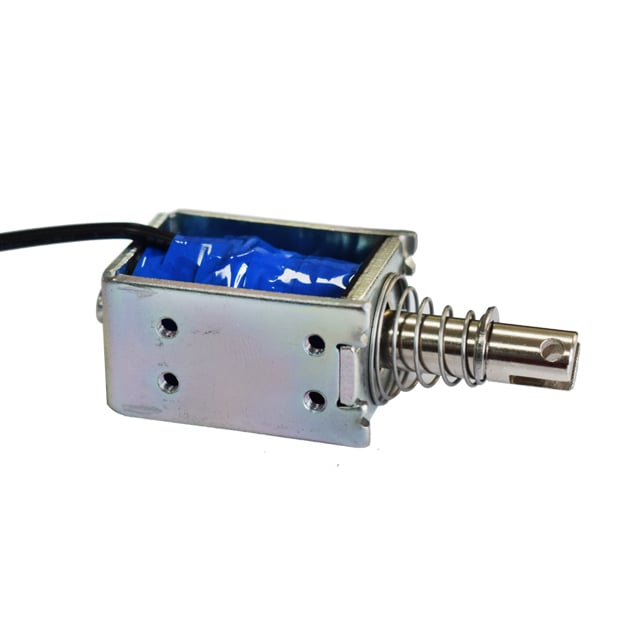
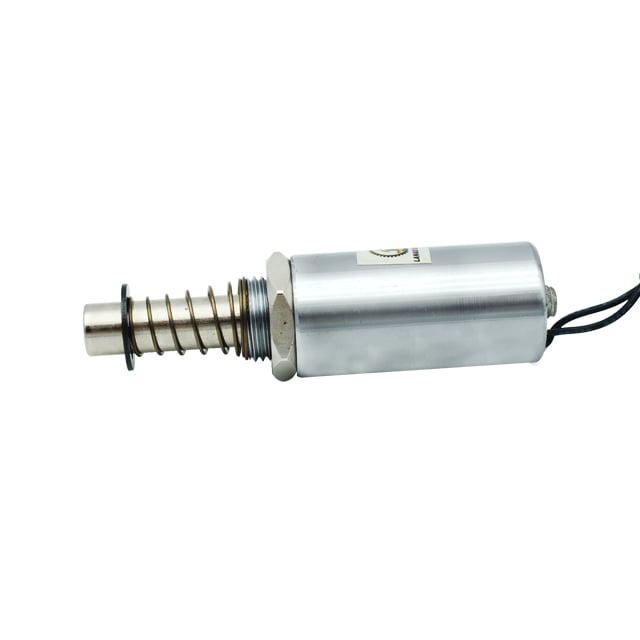
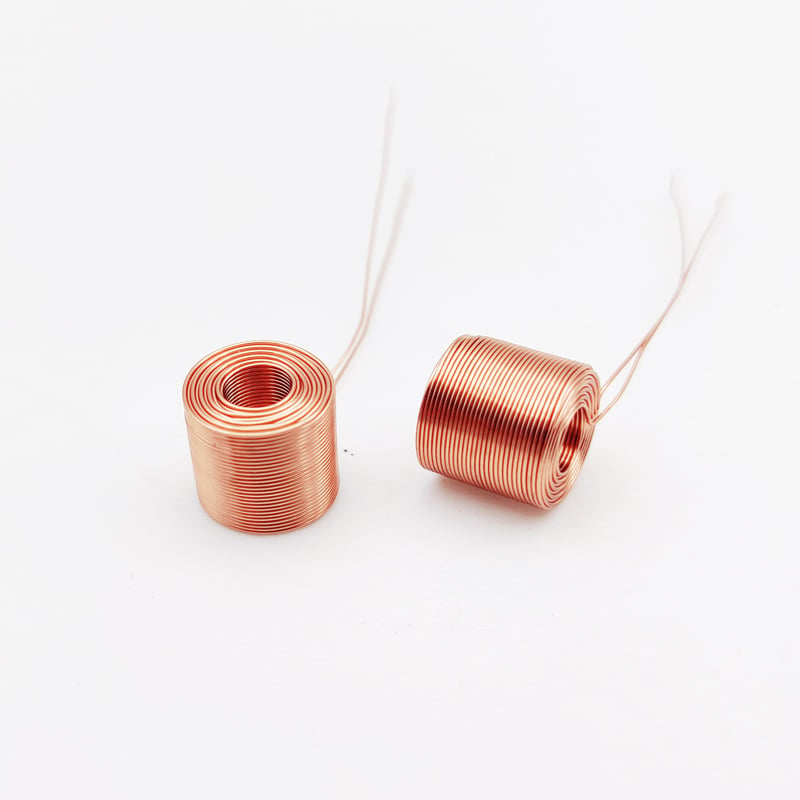
The solenoid operates on electromagnetic principles that have remained fundamentally unchanged for decades, converting electrical energy into linear mechanical motion through a simple coil and plunger arrangement. This straightforward design allows the solenoid to function in harsh conditions where smart actuators would require extensive protection, additional programming, and ongoing maintenance. In applications demanding binary on-off control, the solenoid executes commands with microsecond response times, making it the preferred choice for high-speed switching operations, emergency shutoff systems, and safety-critical applications where failure modes must be predictable and easily diagnosable.
The solenoid offers a compelling cost structure that smart actuators struggle to match in high-volume applications. A standard industrial solenoid valve assembly costs a fraction of a networked smart actuator, with no licensing fees, no firmware updates, and no network infrastructure requirements. For manufacturers producing thousands of identical control points, the solenoid delivers predictable unit economics without the hidden costs of system integration, cybersecurity measures, and specialized technical support that smart actuators demand. The solenoid also eliminates the need for trained personnel capable of programming and troubleshooting digital systems, reducing long-term operational expenses.
The solenoid excels in environments where maintenance windows are limited and replacement must be rapid. With no electronic controllers, sensors, or communication modules to fail, the solenoid presents a single failure mode related to coil burnout or mechanical wear, both easily diagnosed with basic electrical testing. Smart actuators introduce multiple potential failure points including processor malfunctions, sensor drift, communication errors, and software corruption, each requiring diagnostic tools and specialized knowledge. In remote installations such as oil and gas facilities, water treatment plants, and agricultural irrigation systems, the solenoid provides years of unattended operation, while smart actuators may require periodic recalibration, firmware patches, and network connectivity verification.
The solenoid achieves switching speeds measured in milliseconds, a performance level that smart actuators cannot match due to processing delays inherent in digital control loops. In automotive fuel injection systems, pneumatic control circuits, and industrial press safety interlocks, the solenoid responds to electrical signals with virtually no latency, ensuring precise timing critical to process quality and personnel safety. The solenoid also operates independently of network connectivity, making it immune to communication delays, packet loss, and cyber interference that can compromise smart actuator responsiveness in mission-critical applications.
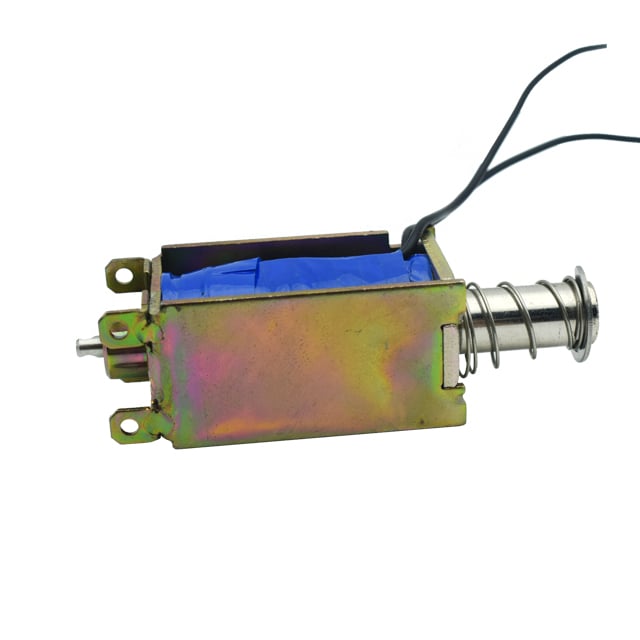
The solenoid functions reliably in extreme temperatures, corrosive atmospheres, explosive environments, and high-vibration installations where smart actuators require extensive and costly protection. A simple solenoid coil can be potted in epoxy, housed in stainless steel, and rated for Class I Division 1 hazardous locations at a fraction of the cost of explosion-proof smart actuator enclosures with intrinsic safety barriers. The solenoid tolerates voltage fluctuations, electromagnetic interference, and transient electrical noise that can lock up or damage the microprocessors and sensors embedded in smart actuators. In chemical processing, mining, and marine applications, the solenoid delivers decades of service with minimal attention, while smart actuators face accelerated degradation of electronic components exposed to moisture, dust, and corrosive vapors.
Millions of existing control systems worldwide rely on relay logic, pneumatic timers, and hardwired circuits designed around the solenoid as the primary actuation element. Retrofitting these systems with smart actuators would require complete rewiring, programmable logic controller installation, and operator retraining, often exceeding the cost of the original equipment. The solenoid allows incremental modernization, where newer control electronics can drive existing solenoid valves and actuators without structural modifications. In industries with long equipment lifecycles such as power generation, wastewater treatment, and heavy manufacturing, the solenoid remains the economically rational choice for maintaining and upgrading installed assets.
Modern industrial systems increasingly adopt hybrid designs where smart actuators handle complex positioning and process optimization tasks, while the solenoid executes final control elements, emergency shutoff functions, and discrete switching operations. This architecture exploits the solenoid strength in binary control and fail-safe operation while reserving smart actuator capabilities for applications genuinely requiring variable positioning, force feedback, or adaptive control. The solenoid serves as the reliable endpoint in networked systems, translating high-level commands from smart controllers into physical action without introducing additional digital complexity at the process interface.
The solenoid consumes power only during state transitions, making it highly efficient for applications involving infrequent actuation or long dwell times in a single position. Latching solenoid designs require only a brief energization pulse to change state, then hold position mechanically with zero power consumption, a characteristic impossible for smart actuators that must maintain processor operation, sensor polling, and communication handshakes even in idle states. In battery-powered applications, solar-powered remote installations, and energy-sensitive processes, the solenoid delivers actuation at a fraction of the power budget required by smart alternatives.
The solenoid provides significantly lower initial costs, no software licensing fees, minimal maintenance requirements, and simple replacement procedures that reduce total cost of ownership. For applications requiring only binary on-off control, the solenoid eliminates the unnecessary expense of digital controllers, sensors, and network infrastructure that smart actuators require, making it the economically optimal choice for high-volume installations where advanced features provide no operational benefit.
The solenoid excels in extreme temperatures, corrosive atmospheres, explosive environments, and high-vibration conditions where smart actuators require expensive protective enclosures and frequent maintenance. The simple electromagnetic design of the solenoid withstands electrical noise, voltage fluctuations, and physical shock that can damage the delicate electronics inside smart actuators, making the solenoid the preferred choice for harsh industrial and outdoor installations.
The solenoid serves as the reliable final control element in hybrid systems where smart actuators manage complex positioning and process optimization, while the solenoid handles discrete switching, emergency shutoff, and safety-critical functions. This division of labor exploits the solenoid strength in binary control and fail-safe operation while reserving smart actuator capabilities for applications genuinely requiring variable positioning, force feedback, or adaptive control logic.
 Hot News
2026-10-15
2026-10-13
2026-10-08
2026-10-06
2026-10-01
2026-09-21
Zhongshan Landa Technology: ISO9001 & UL-certified manufacturer of custom electromagnets, push-pull solenoids, and induction coils for automation, medical, auto & appliances. Trusted global partner since 2008.
3F, Building 4, No.8 North Industrial Avenue Xiaolan, Xiaolan Town, Zhongshan, Guangdong, China
Copyright © Zhongshan Landa Technology Co., Ltd All Rights Reserved Privacy Policy

 EN
EN