 ×
×

When B2B buyers set out to source a solenoid for industrial applications, the supplier they choose can significantly impact product performance, project timelines, and long-term operational costs. A solenoid is an electromagnetic device that converts electrical energy into linear mechanical motion, and it plays a critical role in automation, fluid control, locking mechanisms, and countless other industrial systems. However, not all solenoid suppliers offer the same level of quality, technical expertise, or post-sale support. Understanding what to look for in a solenoid supplier helps procurement teams avoid costly mistakes and secure components that meet exact specifications.
Sourcing a solenoid from the right supplier involves evaluating multiple dimensions beyond unit price. B2B buyers must assess manufacturing capabilities, quality assurance processes, customization options, delivery reliability, and the supplier's ability to provide technical guidance throughout the product lifecycle. This article explores the essential criteria that industrial buyers should prioritize when selecting a solenoid supplier, offering practical insights into quality standards, compliance requirements, technical support structures, and supply chain considerations that directly affect sourcing outcomes.
A reliable solenoid supplier should hold recognized quality certifications such as ISO 9001, which demonstrates commitment to consistent manufacturing processes and continuous improvement. When sourcing a solenoid, buyers should verify that the supplier maintains documented quality management systems covering raw material inspection, in-process testing, and final product validation. Certifications provide evidence that the solenoid manufacturer adheres to international standards, reducing the risk of receiving components with hidden defects or inconsistent performance characteristics.
Beyond ISO certifications, solenoid suppliers serving regulated industries should offer compliance documentation for standards like RoHS, REACH, and UL approvals. A solenoid used in medical devices, automotive systems, or hazardous environments must meet stringent safety and environmental requirements. B2B buyers should request certification copies and audit reports during the supplier evaluation process to ensure the solenoid they source will pass downstream compliance checks without costly rework or redesign.
A professional solenoid supplier invests in testing equipment to validate electrical performance, mechanical durability, and environmental resilience. Buyers should ask whether the supplier conducts electrical testing such as coil resistance measurement, voltage breakdown testing, and duty cycle validation. A high-quality solenoid must perform reliably under rated voltage and temperature conditions, and suppliers should provide test data sheets that confirm each solenoid batch meets declared specifications.
Mechanical testing is equally important when sourcing a solenoid for demanding applications. Suppliers should conduct stroke consistency tests, force output measurements, and lifecycle endurance testing to ensure the solenoid maintains performance over millions of actuation cycles. Environmental testing, including temperature cycling, humidity exposure, and vibration resistance, helps identify potential failure modes before the solenoid reaches the end application. B2B buyers should prioritize suppliers that openly share testing protocols and provide traceable quality records for every solenoid order.
When sourcing a solenoid, B2B buyers benefit from suppliers that offer application engineering support to help match solenoid specifications with system requirements. A knowledgeable solenoid supplier should assist with voltage selection, stroke length optimization, force output calculations, and duty cycle recommendations based on the intended use case. Technical support teams that understand solenoid physics and system integration can prevent specification mismatches that lead to underperformance or premature failure.
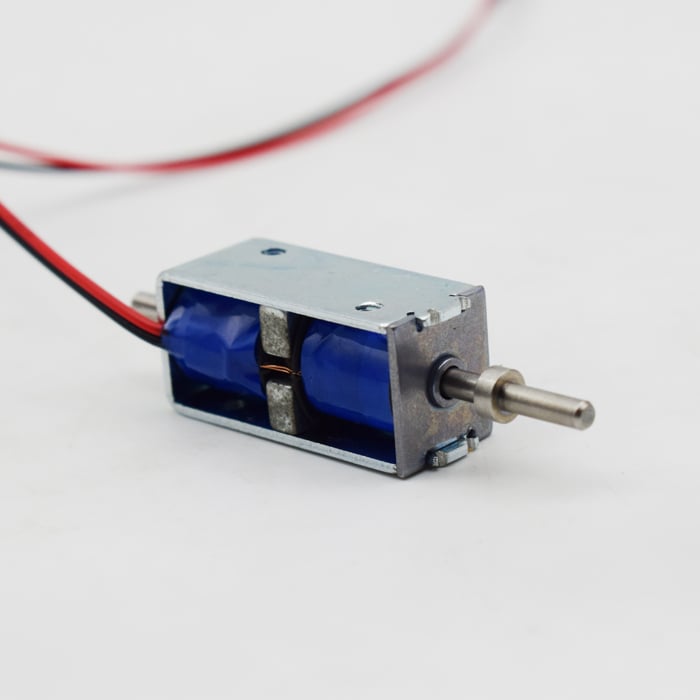
Effective solenoid suppliers provide responsive technical communication channels, including direct access to engineers who can answer detailed questions about coil design, magnetic circuit efficiency, and thermal management. Buyers should evaluate whether the supplier offers design review services, prototype development support, and iterative testing cycles to refine solenoid performance before committing to full production volumes. A supplier that treats the solenoid as a critical system component rather than a commodity part adds significant value to the sourcing relationship.
Standard catalog solenoid models may not always meet the unique requirements of specialized industrial applications. B2B buyers should assess whether the supplier offers customization services such as modified stroke lengths, custom coil voltages, specialized mounting configurations, or unique connector types. A flexible solenoid supplier can adapt core designs to accommodate space constraints, integrate with proprietary control systems, or optimize power consumption for battery-operated equipment.
Customization capabilities extend beyond physical modifications to include material selection and coating options that enhance solenoid durability in harsh environments. Suppliers should offer corrosion-resistant plating, high-temperature insulation materials, and sealed enclosures that protect the solenoid from moisture, dust, and chemical exposure. When sourcing a solenoid for a new product platform, buyers should partner with suppliers that demonstrate engineering agility and willingness to collaborate on design iterations that improve overall system performance.
A critical factor in solenoid sourcing is the supplier's ability to scale production volumes in response to changing demand. B2B buyers should evaluate whether the solenoid manufacturer maintains adequate production capacity to support both initial prototype runs and eventual mass production without compromising quality or delivery timelines. Suppliers with multiple production lines, automated assembly equipment, and established component supply chains are better positioned to handle volume fluctuations and urgent order requests.
Understanding the supplier's raw material sourcing strategy helps buyers assess supply chain resilience. A reliable solenoid supplier should maintain safety stock of critical components such as copper wire, magnetic cores, and housing materials to buffer against supply disruptions. Buyers should ask about lead times for standard solenoid models versus custom designs, and whether the supplier offers vendor-managed inventory programs or consignment arrangements that reduce buyer inventory holding costs while ensuring solenoid availability.
On-time delivery is essential when sourcing a solenoid for time-sensitive production schedules. B2B buyers should review the supplier's delivery performance metrics, including order fulfillment rates, on-time shipment percentages, and accuracy of estimated lead times. A professional solenoid supplier implements order tracking systems, provides proactive shipping updates, and coordinates with logistics partners to ensure solenoid shipments arrive as scheduled without damage or incorrect quantities.
Global solenoid sourcing requires suppliers that understand international shipping regulations, customs documentation, and import compliance requirements. Buyers should confirm that the supplier can provide necessary export certifications, properly labeled packaging, and tariff classification codes that streamline customs clearance. Suppliers offering regional warehousing or fulfillment partnerships can reduce shipping times and costs, making solenoid replenishment more efficient for buyers managing just-in-time manufacturing operations.
When sourcing a solenoid, buyers must verify coil voltage ratings, current draw specifications, coil resistance values, and duty cycle limits to ensure compatibility with the control system. The solenoid supplier should provide detailed datasheets that include pull-in voltage, drop-out voltage, and maximum operating temperature. Confirm that the solenoid voltage matches the available power supply and that the coil resistance falls within acceptable tolerances. Additionally, check whether the solenoid is designed for continuous duty or intermittent operation, as exceeding the rated duty cycle can cause coil overheating and failure. Request electrical test reports that validate solenoid performance under rated conditions and verify that the supplier conducts routine electrical testing on production batches.
To assess solenoid mechanical durability, request lifecycle test data showing the number of actuation cycles the solenoid can perform before performance degradation. A quality solenoid supplier should conduct endurance testing that simulates real-world operating conditions, including stroke frequency, load variations, and environmental exposure. Ask for stroke consistency measurements across the solenoid's lifecycle and verify that force output remains within specification limits. Request samples for internal validation testing and conduct your own mechanical evaluations under application-specific conditions. Review the solenoid construction materials, bearing designs, and return spring specifications to identify potential wear points. Suppliers that provide detailed mechanical test reports and offer warranty coverage based on cycle count demonstrate confidence in solenoid durability.
Red flags when sourcing a solenoid include suppliers unable to provide quality certifications, lack of detailed technical datasheets, inconsistent communication, and unwillingness to share testing documentation. Be cautious of solenoid suppliers offering prices significantly below market rates without explaining cost advantages, as this may indicate compromised materials or inadequate quality control. Avoid suppliers that cannot provide references from existing customers or demonstrate reluctance to accommodate factory audits or sample testing. Lack of customization capabilities, limited technical support resources, and unclear warranty terms are additional warning signs. A professional solenoid supplier maintains transparent communication, provides comprehensive documentation, and demonstrates willingness to collaborate on application-specific requirements rather than pushing standard products regardless of fit.
 Hot News
2026-10-15
2026-10-13
2026-10-08
2026-10-06
2026-10-01
2026-09-21
Zhongshan Landa Technology: ISO9001 & UL-certified manufacturer of custom electromagnets, push-pull solenoids, and induction coils for automation, medical, auto & appliances. Trusted global partner since 2008.
3F, Building 4, No.8 North Industrial Avenue Xiaolan, Xiaolan Town, Zhongshan, Guangdong, China
Copyright © Zhongshan Landa Technology Co., Ltd All Rights Reserved Privacy Policy

 EN
EN