 ×
×

Sourcing the right bobbin coil manufacturer requires more than comparing prices and lead times. Industrial buyers face critical decisions that directly impact product performance, regulatory compliance, and long-term supply chain stability. Understanding what questions to ask upfront helps identify manufacturers capable of delivering consistent quality while meeting your specific application requirements. Whether you need bobbin coil assemblies for solenoid valves, electromagnetic relays, transformers, or inductive sensors, the manufacturing partner you select determines whether your end product succeeds or fails in the field.
The bobbin coil sourcing process demands technical due diligence across material selection, winding capabilities, testing protocols, and production capacity. Manufacturers vary significantly in their ability to handle custom wire gauges, insulation systems, thermal management requirements, and voltage ratings. This article outlines the essential questions industrial buyers should ask potential bobbin coil suppliers before committing to partnerships, ensuring alignment between technical specifications and manufacturing capabilities from the first conversation.
Ask potential bobbin coil manufacturers about their winding equipment capabilities and wire gauge range. Precision winding directly affects electrical performance parameters including inductance tolerance, resistance consistency, and thermal behavior. Manufacturers should specify their minimum and maximum wire diameters, typical winding tension control methods, and layer-to-layer insulation techniques. A capable bobbin coil supplier handles both fine wire applications down to 50 AWG and heavy-gauge windings up to 10 AWG depending on your application needs. Understanding their winding speed capabilities also reveals whether they can meet your production volume requirements without sacrificing bobbin coil quality. Request information about automated versus manual winding processes, as automated systems typically deliver tighter tolerances and better repeatability for high-volume bobbin coil orders.
The insulation system used in bobbin coil construction determines maximum operating temperature and voltage breakdown resistance. Ask manufacturers which insulation classes they routinely work with, referencing standards like Class A (105°C), Class F (155°C), or Class H (180°C). Each bobbin coil application demands specific thermal performance, and mismatched insulation systems lead to premature failure. Inquire about their experience with specialized insulation materials such as polyimide tape, Nomex paper, epoxy impregnation, or vacuum pressure impregnation processes. Manufacturers experienced in high-reliability bobbin coil production should discuss dielectric strength testing, partial discharge testing, and thermal aging validation protocols they employ. Understanding their insulation material sourcing and quality control for insulation components reveals whether they can deliver bobbin coil assemblies that meet your environmental and electrical stress requirements.
The bobbin itself serves as the mechanical foundation for the bobbin coil assembly and influences both electrical performance and environmental durability. Ask manufacturers about their standard bobbin materials, whether thermoplastic options like nylon, PBT, or PPS, or thermoset materials like phenolic or epoxy composites. Each bobbin coil design may require specific material properties including dimensional stability, moisture resistance, flame retardancy ratings, or compatibility with harsh chemical environments. Clarify whether the manufacturer can source or produce custom bobbin geometries to match your unique mounting requirements, terminal configurations, or space constraints. A capable bobbin coil supplier should explain how bobbin material selection affects winding tension limits, heat dissipation characteristics, and long-term mechanical stability under vibration or thermal cycling conditions.
Comprehensive electrical testing separates reliable bobbin coil manufacturers from those offering inconsistent products. Ask potential suppliers which electrical parameters they test on every production unit versus sample-based testing. Standard bobbin coil testing should include DC resistance measurement, inductance verification at specified frequencies, insulation resistance testing, and high-potential dielectric withstand testing. Request details about their test equipment calibration schedules and traceability to national standards. Manufacturers producing high-reliability bobbin coil assemblies should discuss their capability for impulse voltage testing, temperature rise testing under rated current, and Q-factor measurement for resonant circuit applications. Understanding their automated test equipment capabilities reveals whether they can perform 100% inline testing for high-volume bobbin coil orders or rely on manual bench testing that introduces variability and slows production throughput.
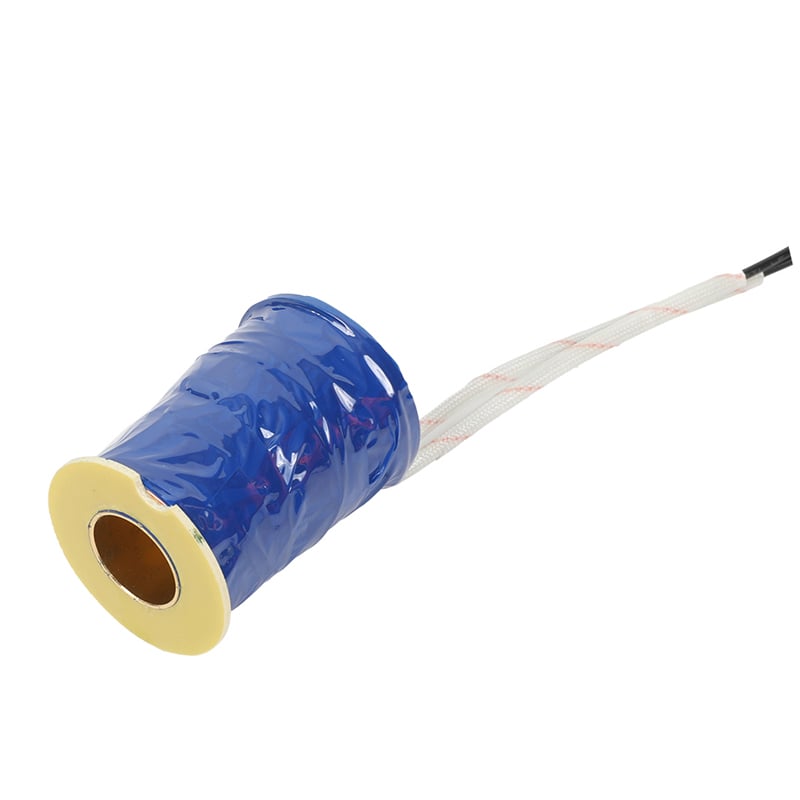
Ask manufacturers about their in-process inspection points and statistical process control methods used during bobbin coil production. Quality bobbin coil suppliers implement inspection checkpoints after each critical operation including bobbin preparation, wire winding, insulation application, termination attachment, and final assembly. Inquire about their use of automated optical inspection systems for detecting winding defects, crossed wires, or insulation damage. Understanding their approach to first-article inspection procedures and production qualification protocols demonstrates whether they follow disciplined manufacturing processes. Request information about their nonconforming material handling procedures and corrective action systems when bobbin coil units fail testing. Manufacturers with mature quality systems should provide statistical data about their typical process capability indices and historical defect rates for similar bobbin coil configurations.
Traceability becomes critical when troubleshooting field failures or managing product recalls. Ask potential bobbin coil manufacturers how they track raw materials, production lot codes, and test results through their manufacturing process. Capable suppliers should provide detailed inspection reports, material certifications, and test data with each bobbin coil shipment. Inquire whether they maintain long-term records allowing them to retrieve complete manufacturing history years after production. Understanding their document control systems and electronic data management capabilities reveals their ability to support root cause analysis if quality issues emerge. Manufacturers serving regulated industries should discuss their compliance with ISO 9001 quality management standards and any industry-specific certifications relevant to your bobbin coil application.
Understanding realistic production lead times helps align bobbin coil sourcing decisions with your inventory management and product launch schedules. Ask manufacturers about their typical lead times for prototype quantities, initial production runs, and repeat orders. Clarify how lead times vary based on wire gauge availability, custom bobbin tooling requirements, or specialized testing needs. Capable bobbin coil suppliers should explain their capacity planning processes and how they handle demand fluctuations without compromising delivery commitments. Inquire about their minimum order quantities and whether they maintain safety stock for standard bobbin coil configurations. Understanding their production scheduling flexibility reveals whether they can accommodate rush orders or adapt to your changing forecast requirements without excessive premium charges.
The stability of a bobbin coil manufacturer's supply chain directly affects your ability to maintain consistent production. Ask potential suppliers about their magnet wire sources and whether they maintain multiple approved suppliers for critical materials. Understanding their inventory management practices for copper wire, insulation materials, and bobbin stock reveals their resilience against supply disruptions. Inquire about their policies regarding material substitutions and how they communicate specification changes that might affect bobbin coil performance. Manufacturers with mature supply chain management should discuss their supplier qualification processes and ongoing performance monitoring systems. Ask whether they have experienced recent material shortages and how they managed those situations to protect customer delivery schedules for bobbin coil orders.
Consider whether a potential bobbin coil manufacturer can scale production as your business grows. Ask about their total manufacturing capacity, current capacity utilization rates, and expansion plans. Understanding whether they operate single or multiple production facilities affects supply chain risk assessment. Inquire about their engineering support capabilities for design optimization, value engineering initiatives, or new product introduction support. Capable bobbin coil manufacturers should demonstrate interest in understanding your long-term technology roadmap and application evolution. Ask about their approach to continuous improvement, cost reduction programs, and new process technology adoption. Manufacturers positioned as strategic partners rather than transactional suppliers invest in understanding your business and proactively propose bobbin coil design improvements that enhance performance or reduce total cost.
Industrial bobbin coil manufacturers should demonstrate capability across wire gauges from approximately 50 AWG for miniature sensor coils up to 10 AWG for high-current solenoid and transformer applications. The specific range depends on your application requirements, but manufacturers with broader gauge capabilities offer greater flexibility for design optimization. Always verify that the manufacturer has actual production experience with your required wire size, not just theoretical capability, as fine wire winding and heavy gauge coil production require different equipment and expertise.
Insulation class ratings define the maximum continuous operating temperature a bobbin coil can withstand while maintaining electrical integrity and expected service life. Class ratings from Class A (105°C) through Class H (180°C) and higher specify different insulation material systems and manufacturing processes. When sourcing bobbin coil components, match the insulation class to your application's thermal environment, considering both ambient temperature and self-heating from electrical current. Manufacturers qualified for higher insulation classes typically possess more sophisticated material knowledge, impregnation equipment, and testing capabilities, making them better partners for demanding applications even if your immediate needs require only standard temperature ratings.
At minimum, bobbin coil manufacturers should perform DC resistance testing, inductance verification, and insulation resistance testing on every production unit. High-potential (hipot) dielectric withstand testing should be conducted on a sample basis or 100% depending on application criticality and industry requirements. For applications involving safety-critical functions or harsh environments, request additional testing including temperature rise verification, impulse voltage testing, or accelerated life testing on qualification samples. The manufacturer's willingness to implement comprehensive testing protocols and provide detailed test documentation directly correlates with the reliability and consistency of the bobbin coil components you receive.
 Hot News
2026-10-15
2026-10-13
2026-10-08
2026-10-06
2026-10-01
2026-09-21
Zhongshan Landa Technology: ISO9001 & UL-certified manufacturer of custom electromagnets, push-pull solenoids, and induction coils for automation, medical, auto & appliances. Trusted global partner since 2008.
3F, Building 4, No.8 North Industrial Avenue Xiaolan, Xiaolan Town, Zhongshan, Guangdong, China
Copyright © Zhongshan Landa Technology Co., Ltd All Rights Reserved Privacy Policy

 EN
EN