 ×
×

Selecting the right solenoid 12v for battery-powered systems requires careful evaluation of electrical, mechanical, and operational parameters. A solenoid 12v serves as an electromechanical actuator that converts electrical energy into linear motion, making it essential for applications ranging from automotive door locks to medical equipment and industrial automation. The challenge lies in matching the solenoid 12v specifications to your system's power constraints, performance requirements, and environmental conditions. Battery-powered systems impose unique limitations on current draw, duty cycle, and voltage stability that directly impact solenoid 12v selection. Understanding these factors ensures reliable operation, prevents premature failure, and optimizes battery life across the application lifecycle.
The selection process for a solenoid 12v involves analyzing force output, stroke length, current consumption, duty cycle rating, and mounting configuration. Each parameter must align with both the mechanical task and the electrical capacity of your battery system. A solenoid 12v with excessive current draw will drain batteries rapidly, while insufficient force output will fail to complete the intended action. This guide provides a structured approach to evaluating solenoid 12v options, comparing key specifications, and identifying the optimal match for battery-powered applications where efficiency and reliability are non-negotiable.
A solenoid 12v must operate reliably across the voltage range typical of battery discharge curves. Lead-acid batteries deliver 12.6V when fully charged but drop to 10.5V at full discharge, while lithium-ion systems may range from 12.8V to 9V depending on cell configuration. The solenoid 12v you select must function within this voltage window without performance degradation. Manufacturers specify a nominal voltage and an acceptable operating range, typically plus or minus 10 percent for a solenoid 12v. Verify that the minimum pull-in voltage for your solenoid 12v remains below the lowest expected battery voltage to prevent actuation failures during discharge cycles. Some solenoid 12v designs incorporate internal voltage regulation or operate across wider ranges, making them more suitable for battery systems with significant voltage sag under load.
Current consumption directly determines battery runtime and system efficiency when using a solenoid 12v. The solenoid 12v draws peak current during initial energization and lower holding current once the plunger reaches full stroke. A typical solenoid 12v may draw 2 to 5 amps during pull-in and 0.5 to 1.5 amps in holding mode. Calculate total energy consumption by multiplying current draw by actuation time and frequency. For a solenoid 12v activated 100 times per day with a 2-second actuation at 3 amps, daily consumption equals 0.167 amp-hours. Compare this against your battery capacity to ensure adequate runtime. If the solenoid 12v will operate continuously or in rapid cycles, consider models with lower holding current or implement pulse-width modulation to reduce average power consumption while maintaining force output.
The force generated by a solenoid 12v must exceed the mechanical load throughout the entire stroke length. Force ratings for a solenoid 12v are typically specified at the start of stroke and at full stroke, with intermediate values varying nonlinearly. A solenoid 12v producing 10 Newtons at initial energization may deliver only 3 Newtons at full extension. Calculate the actual force needed to overcome spring return mechanisms, friction, and the load being actuated, then add a 20 to 30 percent safety margin. For a solenoid 12v operating a latch, measure the force required to disengage the mechanism under worst-case conditions, including wear and misalignment. Undersized force output leads to incomplete actuation and mechanical binding, while excessive force wastes battery power and may damage components.
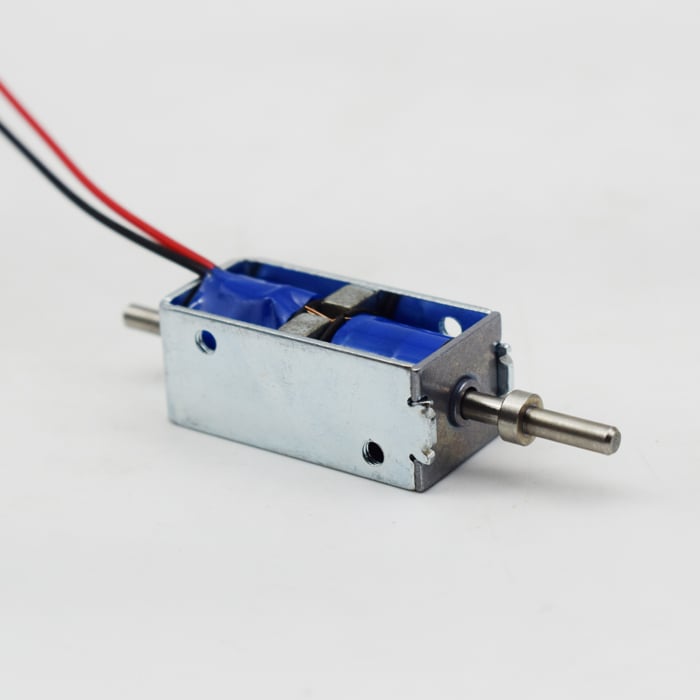
Stroke length defines the linear travel distance of the solenoid 12v plunger from rest to fully energized position. Common solenoid 12v stroke lengths range from 5mm to 25mm, though specialized units extend to 50mm or more. The required stroke for your application must account for mechanical tolerances, mounting variations, and wear over time. A solenoid 12v with insufficient stroke will not complete its function, while excessive stroke increases size, weight, and power consumption. Actuation speed depends on solenoid 12v coil inductance, current rise time, and mechanical mass. A solenoid 12v may require 20 to 100 milliseconds to reach full stroke depending on these factors. For time-critical applications like emergency shutoffs or rapid cycling, select a solenoid 12v with specifications confirming actuation speed meets your requirements under battery voltage conditions.
Duty cycle specifies the percentage of time a solenoid 12v can remain energized without overheating. A solenoid 12v rated for 10 percent duty cycle can operate for 6 seconds per minute, while a 100 percent duty cycle solenoid 12v supports continuous operation. Battery-powered systems often require intermittent actuation, making duty cycle a critical selection parameter. Calculate actual duty cycle by dividing energized time by total cycle time. For a solenoid 12v activated for 3 seconds every 30 seconds, duty cycle equals 10 percent. If your application exceeds the rated duty cycle, the solenoid 12v will overheat, causing insulation failure and reduced lifespan. Some solenoid 12v designs incorporate thermal switches that disconnect power when overheating occurs, protecting the coil but interrupting operation. Match the solenoid 12v duty cycle rating to your application profile, or implement cooling strategies such as heat sinks or forced air circulation.
Battery-powered systems often operate in sealed enclosures where heat dissipation is limited. A solenoid 12v generates heat through resistive losses in the coil, and this heat must dissipate to prevent thermal buildup. Enclosed environments elevate ambient temperature, reducing the effective duty cycle of a solenoid 12v. If your system operates in a 40°C enclosure and the solenoid 12v is rated for 25°C ambient, apply derating factors provided in the manufacturer's specifications. Some solenoid 12v units include internal temperature sensors or thermal cutoffs, but these features add cost and complexity. For critical applications, monitor solenoid 12v temperature during operation and verify it remains within safe limits. Consider solenoid 12v models with lower resistance coils that generate less heat, or implement active cooling if duty cycle requirements cannot be reduced.
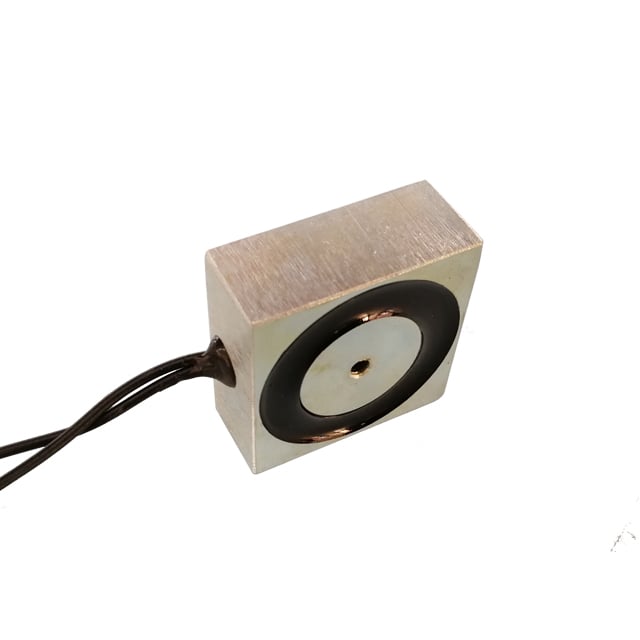
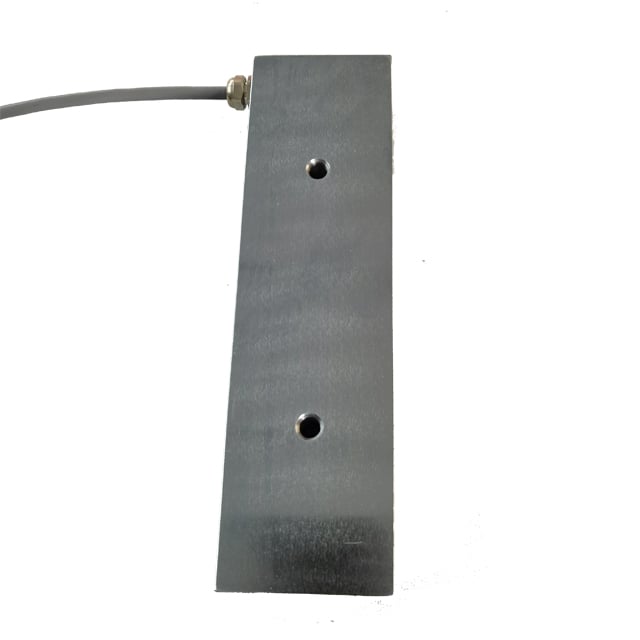
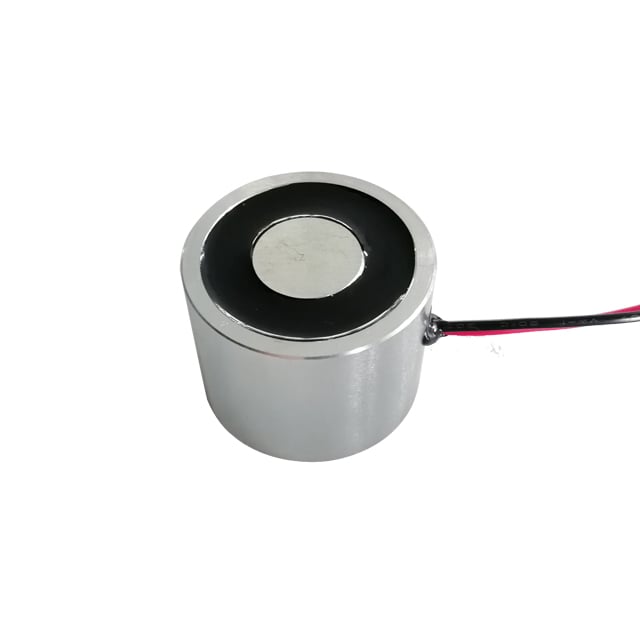
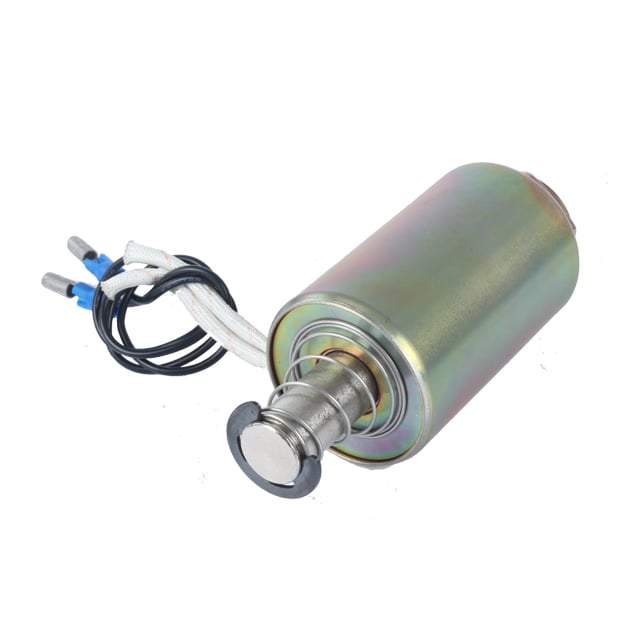
The physical size of a solenoid 12v directly impacts system integration and installation complexity. Tubular solenoid 12v designs offer compact form factors suitable for space-constrained battery systems, while frame-mounted units provide higher force in larger packages. Verify that the solenoid 12v dimensions, including mounting brackets and connector clearances, fit within your available space. Mounting options for a solenoid 12v include flange mounting, threaded mounting, and bracket mounting. Flange-mounted solenoid 12v units distribute load evenly and resist vibration, making them suitable for mobile or vehicular applications. Threaded mounting allows direct integration into panels or frames but may require lock washers to prevent loosening. Ensure the mounting method you select provides adequate mechanical stability to prevent misalignment that could bind the solenoid 12v plunger or increase friction.
Battery-powered systems often operate in harsh environments requiring environmental protection for the solenoid 12v. Ingress Protection (IP) ratings define resistance to dust and moisture. A solenoid 12v with IP54 rating resists dust ingress and water splashing, suitable for indoor applications. For outdoor or washdown environments, specify a solenoid 12v with IP65 or higher, providing complete dust protection and resistance to water jets. Corrosive environments demand solenoid 12v construction with stainless steel or coated components to prevent degradation. Temperature extremes also affect solenoid 12v performance. Cold temperatures increase coil resistance and reduce force output, while high temperatures reduce duty cycle capacity. Select a solenoid 12v rated for the full temperature range of your application, and verify that seals and lubricants remain functional across this range.
A pull-type solenoid 12v retracts the plunger into the coil body when energized, generating maximum force at the end of stroke. A push-type solenoid 12v extends the plunger outward when energized, generating maximum force at the start of stroke. Pull-type solenoid 12v designs are more common due to superior force characteristics and simpler construction. Choose pull-type for latching and locking applications where force is needed to hold position. Choose push-type when force is required at the beginning of travel, such as ejecting or pushing mechanisms. Both types are available in solenoid 12v configurations, but force curves differ significantly.
Reduce current consumption by selecting a solenoid 12v with low holding current or implementing pulse-width modulation after initial actuation. A solenoid 12v requires high current to overcome magnetic reluctance during pull-in but needs less current to maintain position. Some solenoid 12v models incorporate internal resistance changes or dual-coil designs to automatically reduce holding current. Alternatively, use an external control circuit that applies full voltage during actuation then reduces voltage or switches to pulse modulation for holding. This approach can reduce average current draw by 50 to 70 percent while maintaining reliable operation of the solenoid 12v.
No, AC and DC solenoid designs are not interchangeable despite similar voltage ratings. A solenoid 12v designed for AC operation uses laminated cores to reduce eddy current losses and relies on the alternating magnetic field for different force characteristics. Applying DC voltage to an AC solenoid 12v will cause excessive current draw, overheating, and rapid failure since the impedance differs fundamentally between AC and DC operation. Always select a solenoid 12v explicitly rated for DC operation when designing battery-powered systems. DC solenoid 12v models are optimized for the steady-state current and magnetic field characteristics of direct current sources.
 Hot News
2026-10-15
2026-10-13
2026-10-08
2026-10-06
2026-10-01
2026-09-21
Zhongshan Landa Technology: ISO9001 & UL-certified manufacturer of custom electromagnets, push-pull solenoids, and induction coils for automation, medical, auto & appliances. Trusted global partner since 2008.
3F, Building 4, No.8 North Industrial Avenue Xiaolan, Xiaolan Town, Zhongshan, Guangdong, China
Copyright © Zhongshan Landa Technology Co., Ltd All Rights Reserved Privacy Policy

 EN
EN