 ×
×

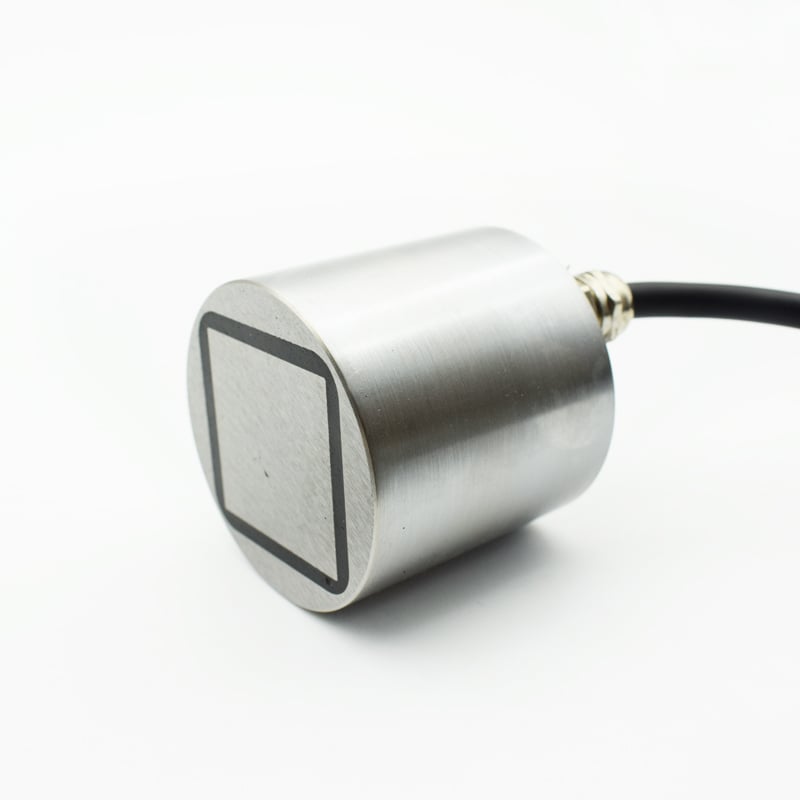
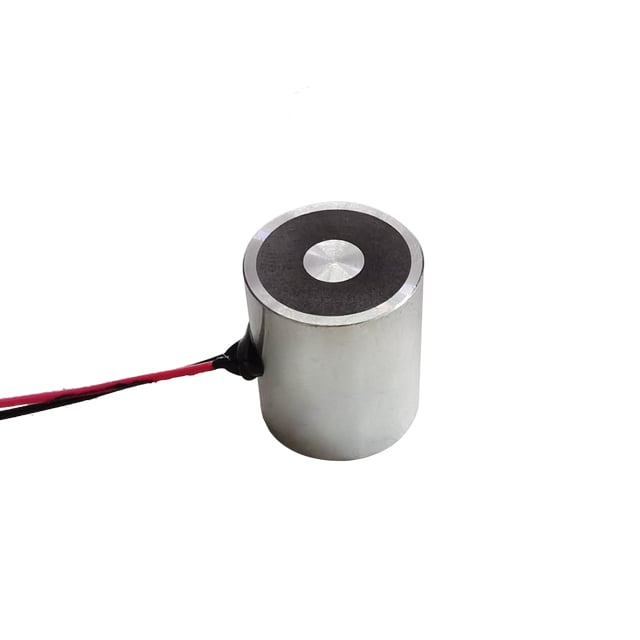
The evolution of industrial automation has long been constrained by size and power limitations. Traditional solenoids and actuators require substantial space, consume significant energy, and demand complex mechanical arrangements. Today, the mini electromagnet is fundamentally changing how engineers design compact automation systems. These small yet powerful devices deliver precise electromagnetic force in confined spaces, enabling entirely new possibilities for equipment miniaturization, energy conservation, and system efficiency. Understanding why mini electromagnets have become essential reveals the broader transformation reshaping modern industrial automation.
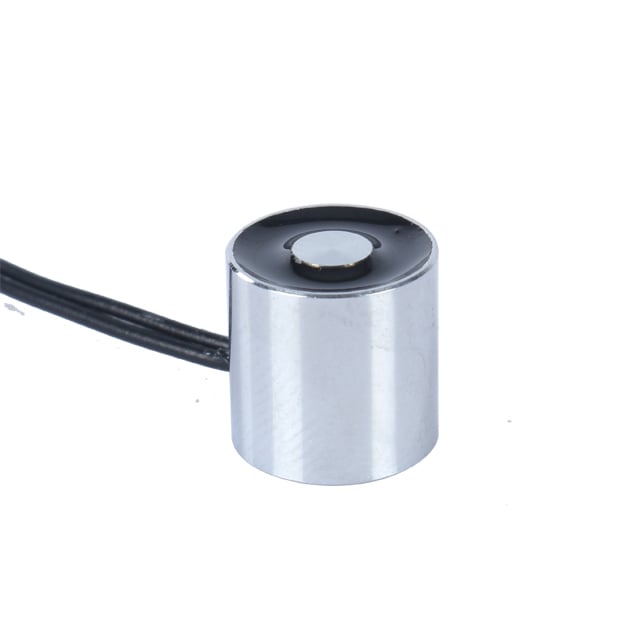
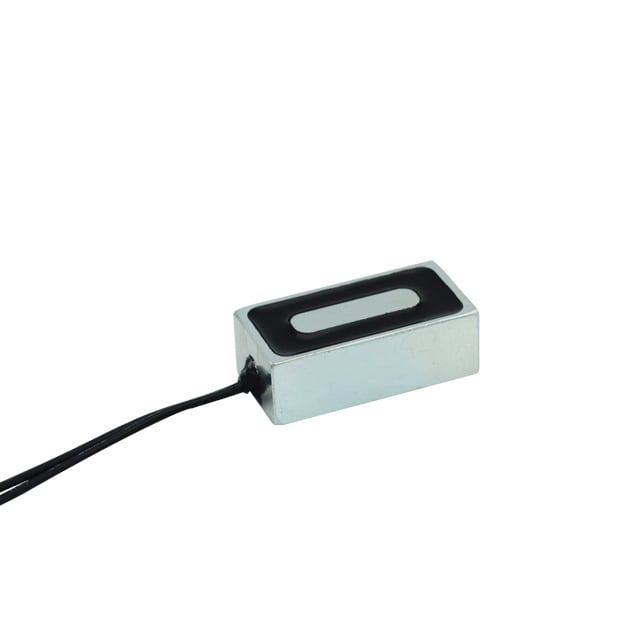
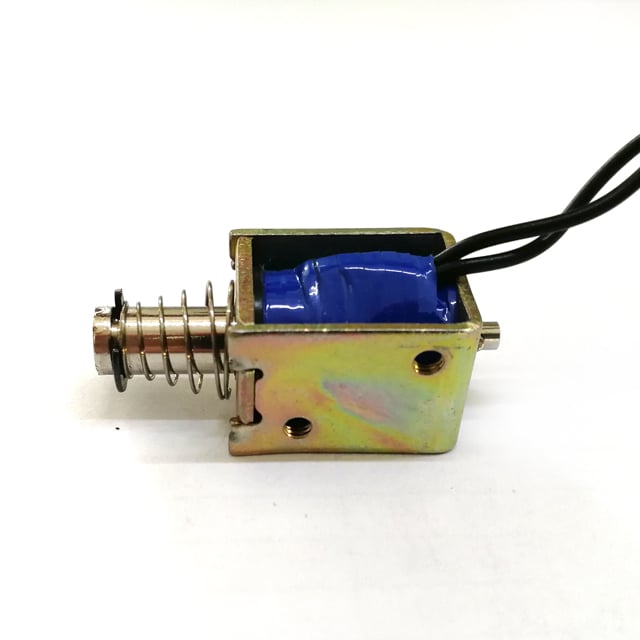
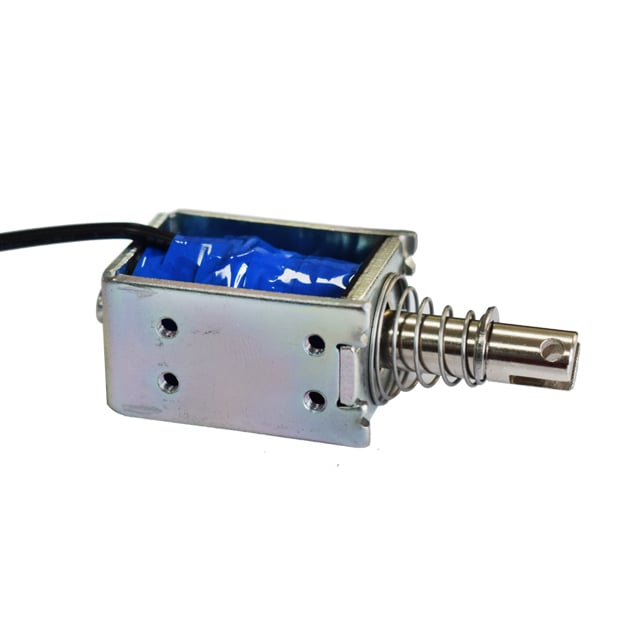
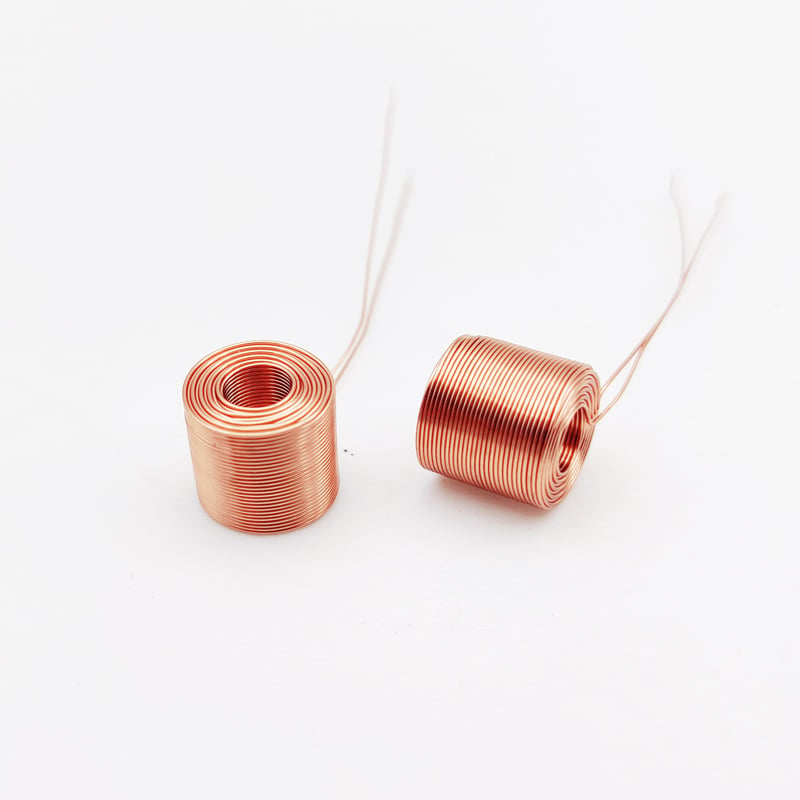
A mini electromagnet operates on the same electromagnetic principles as larger solenoids, generating controlled magnetic force through electrical current flowing through a coil wound around a ferrous core. What distinguishes the mini electromagnet is its compact form factor combined with remarkable power density. Engineers can now integrate electromagnetic actuation directly into tight spaces previously reserved for mechanical solutions. This convergence of miniaturization and reliable performance is driving rapid adoption across industries ranging from medical devices to precision manufacturing equipment.
Space efficiency has become a critical competitive advantage in modern equipment design. When manufacturers need to pack more functionality into smaller footprints, the mini electromagnet provides an elegant solution. Unlike traditional pneumatic or hydraulic systems requiring dedicated piping, compressors, and control valves, a mini electromagnet requires only electrical connections and minimal physical envelope. This spatial advantage is particularly valuable in medical diagnostic equipment, laboratory automation, robotic microsurgery platforms, and portable industrial devices where every millimeter matters.
The mini electromagnet eliminates the bulk of conventional actuators while maintaining reliable force output. Equipment designers can now achieve integrated solutions that would be impossible with legacy technologies. For instance, automated sorting systems can incorporate mini electromagnet switching mechanisms directly into compact conveyor modules, reducing machine footprint by up to forty percent while improving response speed.
Industrial applications increasingly demand micro-level precision that traditional mechanical solutions struggle to achieve consistently. A mini electromagnet responds to electrical signals with millisecond-level timing accuracy and repeatable force delivery. This precision makes the mini electromagnet ideal for applications including precision pick-and-place operations, micro-positioning stages, and component testing systems. The electromagnetic force response is instantaneous and proportional to electrical input, enabling closed-loop control systems that maintain exact specifications.
Manufacturers using mini electromagnet technology report dramatically reduced tolerance variation and improved product quality. Because the mini electromagnet delivers consistent, repeatable actuation without mechanical wear or friction losses, long-term reliability improves significantly compared to cam-based or mechanical clutch alternatives.
Factory energy costs represent a substantial portion of overall manufacturing expenses, making efficiency optimization a strategic priority. A mini electromagnet consumes power only during active engagement, eliminating idle consumption that plagues pneumatic systems running continuous compressors. This on-demand energy characteristic means a mini electromagnet draws power exclusively when performing actual work, not when simply maintaining system pressure. For automated lines operating thousands of cycles daily, this efficiency difference translates directly to measurable cost reduction and environmental impact.
The electrical control of a mini electromagnet also enables sophisticated power management strategies. Variable voltage or pulse-width modulation techniques allow engineers to match power input precisely to actuation requirements. A mini electromagnet used for light-duty applications requires less energy than full-force engagement, creating additional efficiency gains. These capabilities position the mini electromagnet as a preferred solution for facilities pursuing sustainability goals and energy conservation targets.
Pneumatic automation systems impose ongoing infrastructure burdens including compressor maintenance, air line replacement, and system pressure loss mitigation. Switching to mini electromagnet technology eliminates these parasitic costs entirely. No compressed air means no moisture management, no pressure regulation issues, and no energy wasted on air compression inefficiencies. Facilities that previously allocated substantial budgets to pneumatic system maintenance can redirect those resources to production optimization and newer technology adoption.
The transition from pneumatic to electromagnetic actuation using mini electromagnets reduces overall equipment complexity. Control logic simplifies because the mini electromagnet responds directly to electrical signals without requiring intermediate pressure regulation or proportional valve adjustment. This simplification benefits maintenance teams while improving system reliability across extended operational periods.
Product development cycles depend heavily on component availability and integration flexibility. The mini electromagnet's scalable design parameters enable rapid customization without expensive engineering redesigns. Force output, response time, operating voltage, and form factor can be tailored to specific application requirements within established design families. This flexibility allows engineers to implement solutions quickly while maintaining cost discipline. When applications demand special features, a mini electromagnet can be modified through coil parameters or core geometry adjustments rather than requiring entirely new component development.
Equipment manufacturers benefit from shorter time-to-market when utilizing mini electromagnet technology. Standard electromagnetic principles apply across diverse applications, meaning design knowledge transfers effectively between projects. Engineers familiar with mini electromagnet selection criteria can confidently specify appropriate solutions across medical devices, automation equipment, and industrial machinery categories.
Next-generation automation systems incorporating artificial intelligence, machine learning, and distributed controls require highly responsive actuation components. The mini electromagnet's electrical interface integrates seamlessly with digital control systems, enabling real-time feedback and adaptive operation. Modern automation architectures can monitor mini electromagnet performance, adjust engagement patterns dynamically, and optimize cycles based on material characteristics or environmental conditions. This integration capability positions the mini electromagnet as a foundational component in Industry 4.0 environments.
Equipment incorporating mini electromagnet technology can implement predictive maintenance by monitoring electromagnetic response signatures and detecting degradation before failures occur. This capability improves overall equipment effectiveness and reduces unplanned downtime. The electrical connection of a mini electromagnet enables rich diagnostic data collection that mechanical systems cannot provide.
Force output from a mini electromagnet typically ranges from less than one newton for delicate applications to over one hundred newtons for industrial automation tasks. Specific force capacity depends on coil design, current supply, core material, and air gap distance. A mini electromagnet is often specified to deliver consistent pulling force across a defined operating range, making it suitable for applications from precision medical devices to heavy-duty manufacturing equipment. Engineers select mini electromagnet specifications based on application force requirements, allowing tight matching between component capability and system demands.
While permanent magnets provide constant magnetic fields without power consumption, the mini electromagnet offers superior control flexibility. A mini electromagnet can be switched on and off instantly, adjusted in force output, and integrated into automated control systems. Permanent magnets cannot match this responsiveness, making the mini electromagnet the preferred choice for automated switching, positioning, and actuation applications. Where simple on-off magnetic holding suffices, permanent solutions may work, but true automation requires the controllable performance that a mini electromagnet provides.
A mini electromagnet is a highly reliable component when properly specified and operated within design parameters. Expected service life typically exceeds one million cycles, with coil integrity remaining excellent under normal thermal conditions. The absence of moving parts within the mini electromagnet core reduces mechanical wear mechanisms common to other actuators. Regular inspection for coil insulation integrity and proper thermal management ensures a mini electromagnet maintains performance throughout extended operational service. When integrated into well-designed automation systems, mini electromagnet reliability typically exceeds traditional pneumatic or mechanical alternatives.
 Hot News
2026-10-15
2026-10-13
2026-10-08
2026-10-06
2026-10-01
2026-09-21
Zhongshan Landa Technology: ISO9001 & UL-certified manufacturer of custom electromagnets, push-pull solenoids, and induction coils for automation, medical, auto & appliances. Trusted global partner since 2008.
3F, Building 4, No.8 North Industrial Avenue Xiaolan, Xiaolan Town, Zhongshan, Guangdong, China
Copyright © Zhongshan Landa Technology Co., Ltd All Rights Reserved Privacy Policy

 EN
EN