 ×
×

In industrial manufacturing, the quality of a magnetic coil directly impacts the performance and reliability of countless applications, from power distribution to medical devices. Yet many engineers overlook the role of winding precision in determining whether a magnetic coil meets specification or becomes a source of costly field failures. The truth is that winding precision during production is not merely a quality checkpoint; it is the foundational differentiator that separates high-performing magnetic coil designs from mediocre ones. Understanding why precision matters in magnetic coil manufacturing can help purchasing teams, design engineers, and production managers make better sourcing decisions and avoid the hidden costs of substandard coil performance.
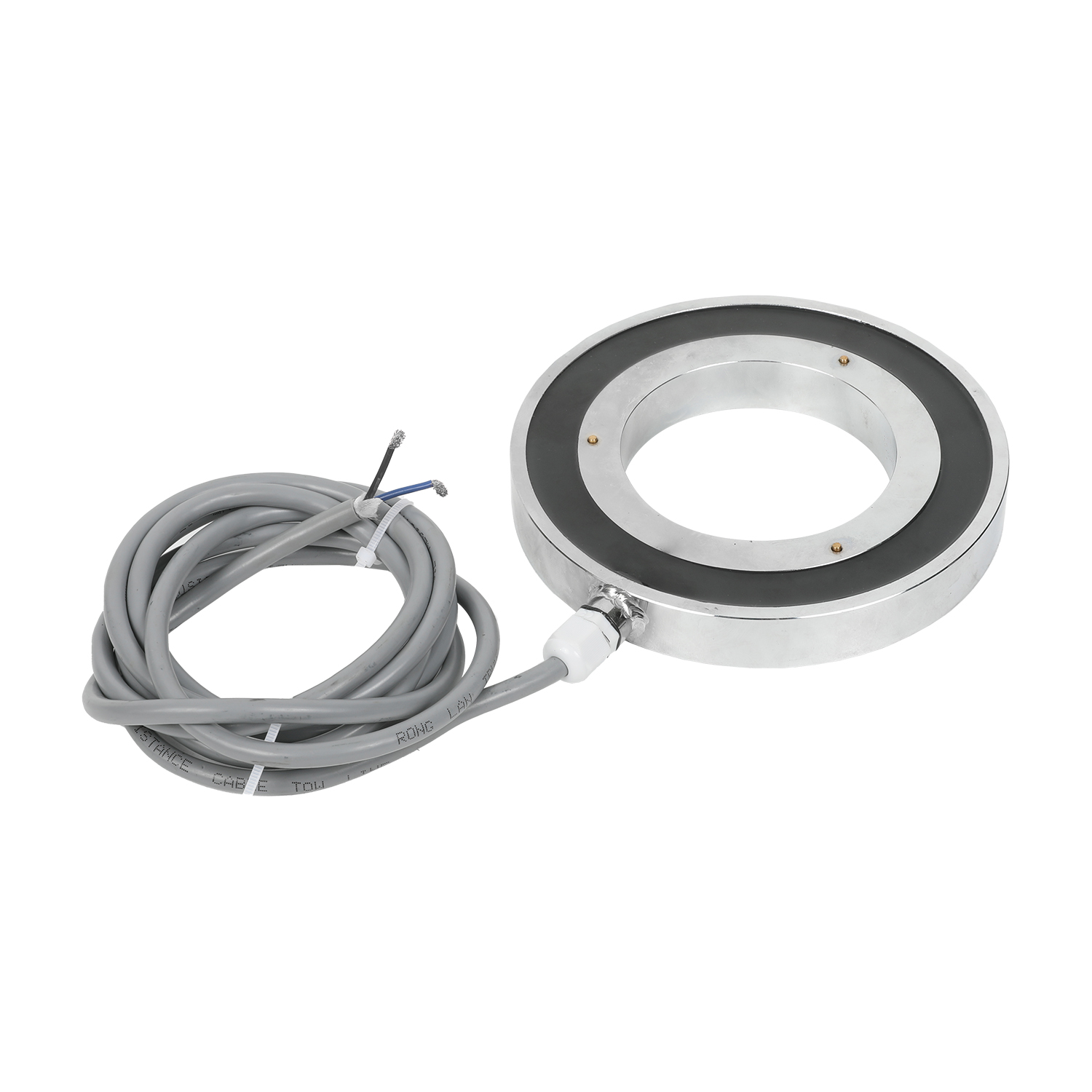
The distinction between a precisely wound magnetic coil and one wound with loose tolerance becomes apparent only after the component is integrated into a system and placed under operational stress. Inaccurate winding, inconsistent wire spacing, or poor layer alignment in a magnetic coil leads to uneven magnetic field distribution, increased resistance, heat generation, and accelerated degradation. When engineers and procurement teams understand the mechanisms behind winding precision, they gain the ability to evaluate suppliers not just on price but on their commitment to consistent, repeatable magnetic coil manufacturing processes that deliver predictable results across batches.
The electrical characteristics of a magnetic coil depend critically on the geometric accuracy of the winding pattern. When a magnetic coil is wound with tight control over wire spacing, layer height, and turn count, the resulting inductance and resistance values remain stable and predictable. Conversely, when winding precision is poor, the effective conductor length, cross-sectional copper area, and coil geometry all shift, causing inductance to drift outside specification. For applications requiring precise tuning, such as resonant circuits or frequency filters, even a 2–3 percent variance in magnetic coil inductance can cause system malfunction. Additionally, imprecise winding leads to uneven current distribution within the magnetic coil, which concentrates current density in certain wire regions, raising local resistance and creating hot spots that shorten component lifespan.
A precisely wound magnetic coil distributes current evenly across all turns, minimizing resistive losses and heat generation. When a magnetic coil lacks winding precision, current crowding occurs, where some turns carry disproportionately higher current, generating excess heat in localized areas. This thermal stress degrades the insulation on the wire, increases the coil's operating temperature, and can trigger thermal runaway in power-dense applications. A magnetic coil designed for 5 watts might actually dissipate 6 or 7 watts as heat if winding precision allows unequal turn distribution. This excess heat translates directly to shortened operational life, increased cooling requirements, and higher system costs. Industrial applications running 24/7, such as transformers or reactor coils in rail systems, rely on magnetic coil winding precision to ensure thermal stability and avoid field failures that can cost thousands in downtime.
A magnetic coil wound with high precision exhibits uniform stress distribution across all turns, making it more resistant to mechanical shock and vibration. Industrial environments—rail systems, automotive powertrains, industrial motors—subject electromagnetic components to constant vibration and thermal cycling. A magnetic coil with loose winding tolerance develops gaps between turns, allowing wire movement during vibration. Over thousands of thermal cycles, this movement causes wire insulation to crack and copper fatigue to propagate, eventually leading to electrical failure. Precise winding of a magnetic coil ensures that each turn is tightly held in place by its neighbors and by the core structure, distributing mechanical stress evenly and preventing the micro-movements that degrade insulation. This is especially critical in high-vibration applications such as automotive ignition coils, industrial solenoids, and aerospace inductive components, where a single magnetic coil failure can cascade into system-level failure.
The winding precision of a magnetic coil directly affects how wire insulation is compressed and protected within the coil structure. When a magnetic coil is wound precisely, the enamel insulation on each conductor sits at a uniform distance from its neighbors, ensuring even dielectric strength and preventing areas of excessive stress concentration. Loose winding in a magnetic coil creates spots where wire insulation is compressed more tightly against sharp edges or the core, reducing local dielectric strength. During voltage spikes or high-frequency switching transients common in modern power electronics, these weak points in a poorly wound magnetic coil are where breakdown initiates. A precisely wound magnetic coil exhibits higher creepage and clearance margins, better withstands voltage surges, and maintains insulation integrity throughout its service life, reducing warranty claims and field service costs.
Suppliers who invest in automated winding equipment and process controls produce magnetic coil batches with consistent performance, allowing design engineers to rely on published specifications without costly engineering safety margins. When a magnetic coil manufacturer lacks tight winding tolerance controls, each batch exhibits wider variation, forcing engineers to design around worst-case performance or to perform 100 percent testing on every unit, raising costs. High-precision magnetic coil manufacturing enables smaller safety margins, higher component density, and more efficient system designs. For high-volume applications, the cost of magnetic coil precision manufacturing is quickly offset by reduced design complexity, fewer field failures, and faster time-to-market, since engineers can trust the component specifications rather than adding validation cycles.
Manufacturers committed to magnetic coil winding precision invest in measurement systems, statistical process control, and detailed documentation. A quality magnetic coil supplier provides traceability data showing winding tension, turn count accuracy, wire diameter verification, and coil geometry measurements for each batch or lot. This documentation enables engineers to validate that magnetic coil units meet specification and to investigate the root cause if a field failure occurs. Suppliers without this rigor cannot explain why a magnetic coil failed or guarantee that the next batch will perform identically. For mission-critical applications in aerospace, medical, or industrial control systems, this level of process transparency and magnetic coil precision documentation is often a contractual requirement and a key differentiator between suppliers.
Poor winding precision in a magnetic coil results in uneven current distribution, increased resistive losses, thermal hot spots, and accelerated insulation degradation. The magnetic coil will exhibit higher than expected operating temperature, drifted electrical parameters, reduced mechanical vibration resistance, and a shortened operational lifespan. In high-reliability applications, a poorly wound magnetic coil can fail prematurely, causing system downtime and costly rework.
Verification of magnetic coil precision begins with reviewing the supplier's process documentation, measurement capabilities, and statistical control records. Critical measurements include winding tension consistency, turn count accuracy, wire diameter verification, and coil geometry. An electrical test of the finished magnetic coil—measuring inductance, resistance, and insulation breakdown voltage—confirms that the component meets specification. For high-reliability applications, 100 percent testing or statistical sampling of magnetic coil batches provides additional confidence in winding precision and quality consistency.
Yes, investing in a magnetic coil from a supplier with high winding precision reduces the total cost of ownership by minimizing field failures, reducing warranty claims, shortening design cycles, and enabling more efficient system designs. Although a precisely manufactured magnetic coil may carry a slightly higher initial price, the avoided costs of failure investigation, rework, and customer dissatisfaction typically result in significant long-term savings for high-volume or mission-critical applications.
 Hot News
2026-10-15
2026-10-13
2026-10-08
2026-10-06
2026-10-01
2026-09-21
Zhongshan Landa Technology: ISO9001 & UL-certified manufacturer of custom electromagnets, push-pull solenoids, and induction coils for automation, medical, auto & appliances. Trusted global partner since 2008.
3F, Building 4, No.8 North Industrial Avenue Xiaolan, Xiaolan Town, Zhongshan, Guangdong, China
Copyright © Zhongshan Landa Technology Co., Ltd All Rights Reserved Privacy Policy

 EN
EN