 ×
×

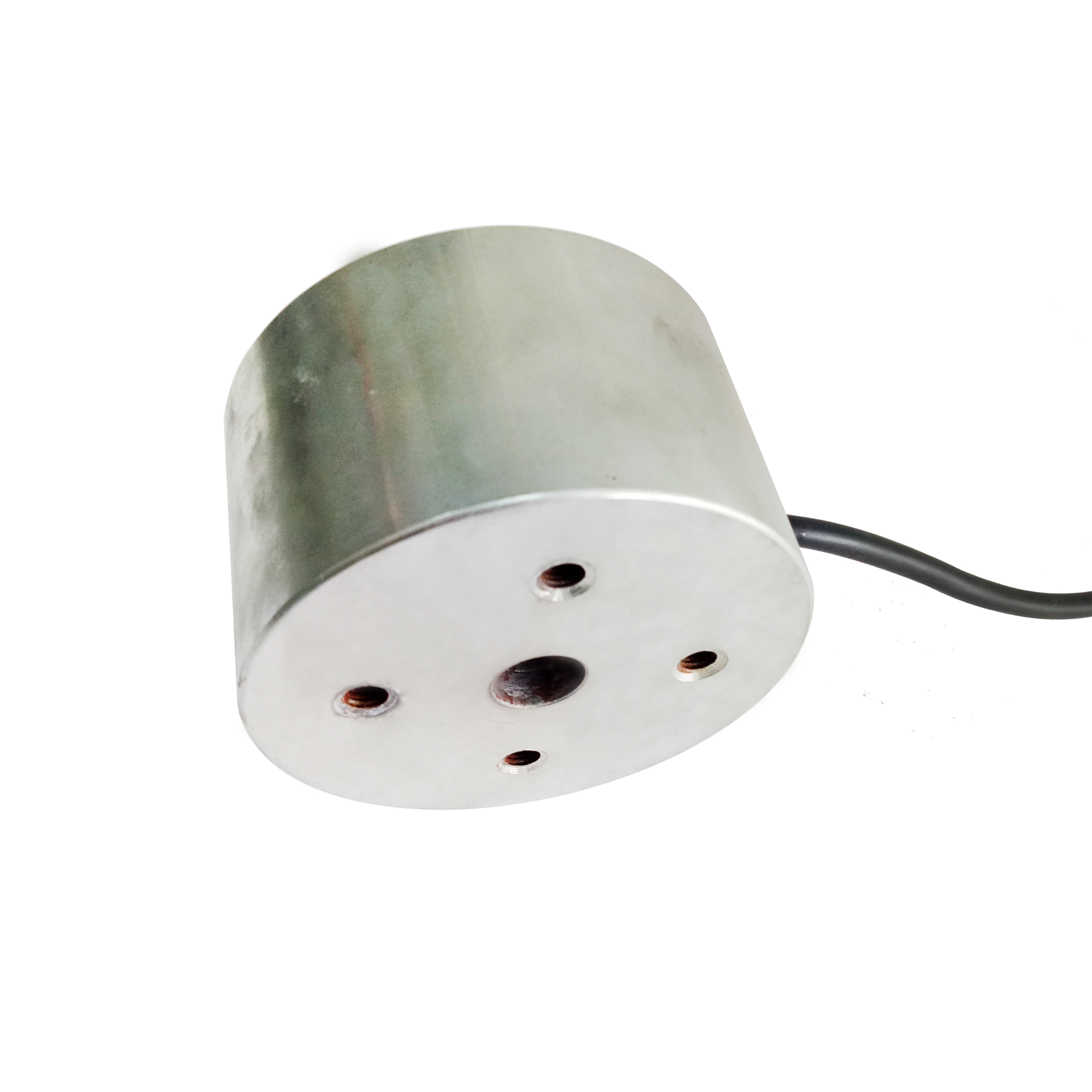
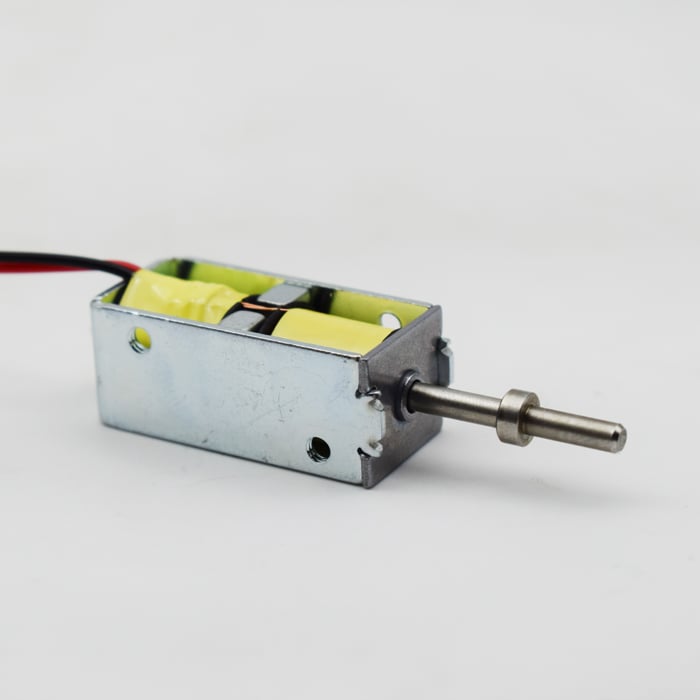
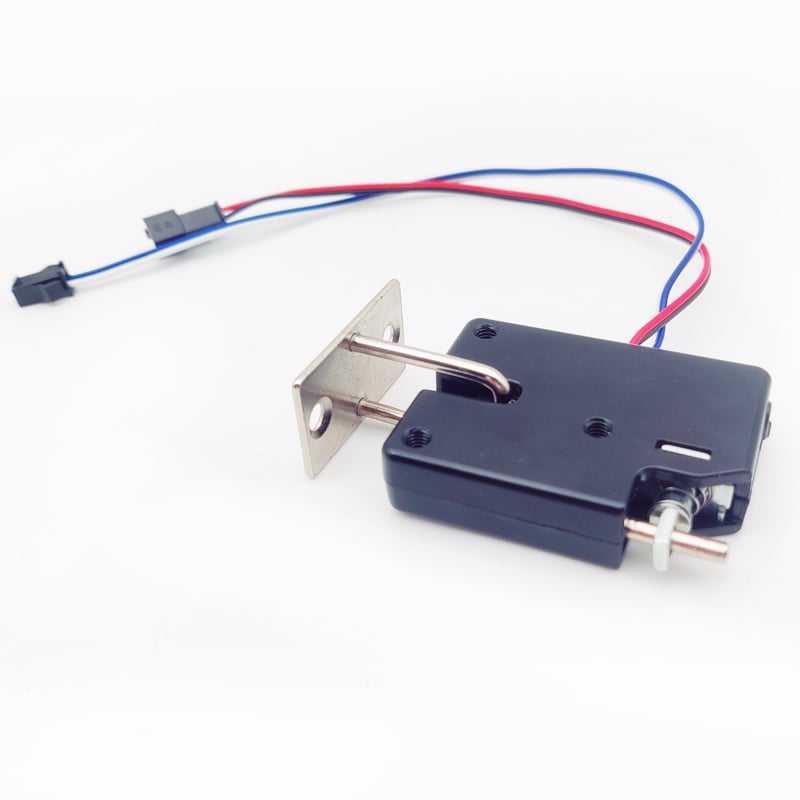
Push pull solenoids are essential components in automation, machinery, electronics, and medical equipment, providing linear motion to drive, control, or position mechanical parts. Choosing the right push pull solenoid is crucial to ensuring the stability, efficiency, and longevity of your equipment. With various specifications, parameters, and types available, it’s easy to feel overwhelmed. This guide will break down the key factors to consider, helping you select the perfect push pull solenoid for your specific needs.
The first step in choosing a push pull solenoid is to clearly define your application scenarios and core needs, as this will determine all subsequent selection criteria. Ask yourself the following questions:
- What is the solenoid used for? (e.g., door locks, valve control, automation equipment, medical devices, vending machines)
- What is the working environment? (e.g., normal temperature, high humidity, dusty areas, corrosive environments, or areas requiring waterproofing)
- Is the working mode continuous or intermittent? (Continuous operation requires solenoids with low temperature rise and high heat dissipation; intermittent operation focuses more on instant thrust)
For example, push pull solenoids used in outdoor equipment need IP65 or higher waterproof level, while those used in precision medical devices require compact size and low noise.
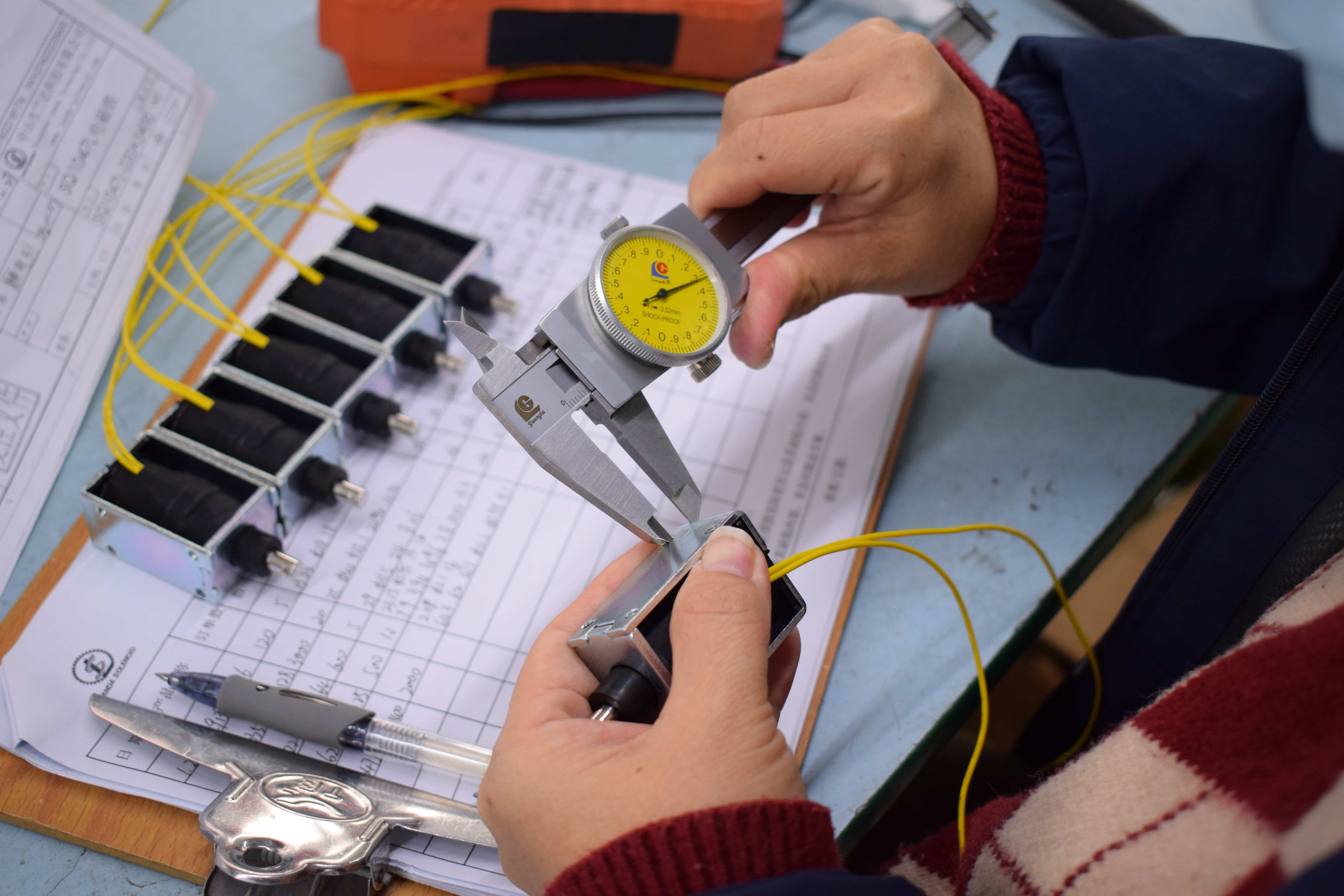
Technical parameters are the core of selecting a push pull solenoid. Focus on the following key indicators to ensure the solenoid matches your equipment:
Thrust is the maximum force the solenoid can exert when pushing or pulling, usually measured in Newtons (N) or kilograms (kg). Stroke refers to the maximum linear distance the solenoid’s plunger can move. Both parameters must match your application requirements:
- If your equipment requires moving heavy loads, choose a solenoid with sufficient thrust (e.g., 5N-50N for industrial automation, 1N-5N for small electronics).
- Ensure the stroke is long enough to complete the required mechanical action (common strokes range from 5mm to 50mm; ultra-small solenoids may have strokes as short as 2mm).
Push pull solenoids are mainly powered by DC voltage, with common specifications including DC 6V, 12V, 24V, and 48V. Choose the voltage that matches your equipment’s power supply system to avoid damage or insufficient performance:
- Low-voltage solenoids (6V, 12V) are suitable for small electronics and portable devices.
- High-voltage solenoids (24V, 48V) are ideal for industrial automation and heavy-duty equipment.
Also, pay attention to the solenoid’s current consumption—lower current means lower power consumption, which is important for battery-powered equipment.
The size of the push pull solenoid must fit the installation space of your equipment. Measure the available length, diameter, and installation position in advance, and choose a solenoid with a compact structure if space is limited.
Common installation methods include bolt installation, flange installation, and bracket installation. Ensure the solenoid’s installation interface matches your equipment to avoid installation difficulties.
Duty cycle refers to the ratio of the solenoid’s working time to the total cycle time (e.g., 50% duty cycle means working for 5 seconds and resting for 5 seconds). Choose a solenoid with a duty cycle that matches your application:
- Continuous duty cycle (100%) is suitable for scenarios requiring long-term operation (e.g., constant valve control).
- Intermittent duty cycle (20%-80%) is used for scenarios with periodic operation (e.g., door locks, vending machine mechanisms).
Service life is usually measured in cycles (e.g., 1 million cycles). High-quality solenoids with copper coils and high-precision plungers have longer service lives, reducing maintenance costs.
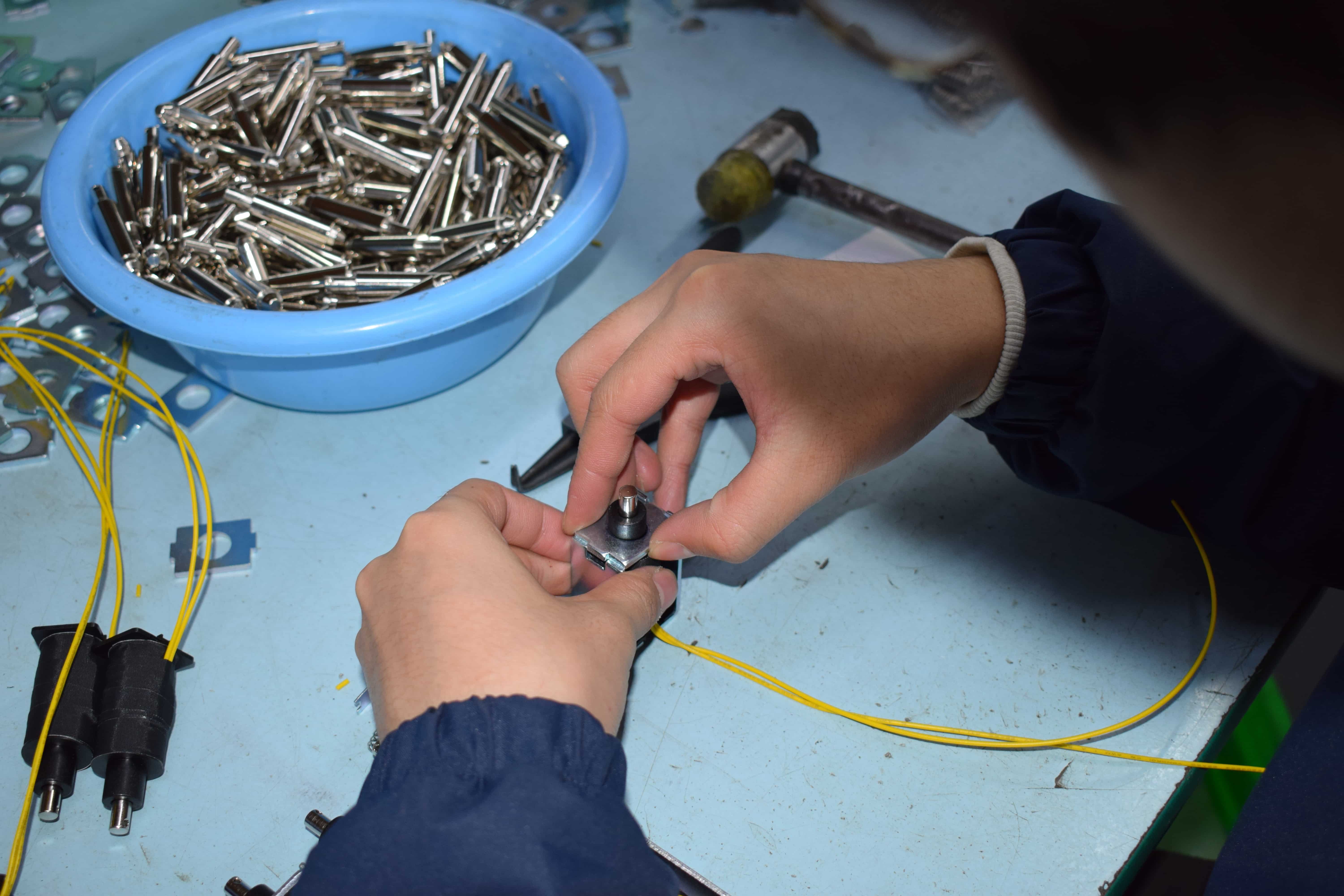
The material of the push pull solenoid directly affects its performance and service life. Focus on the following materials:
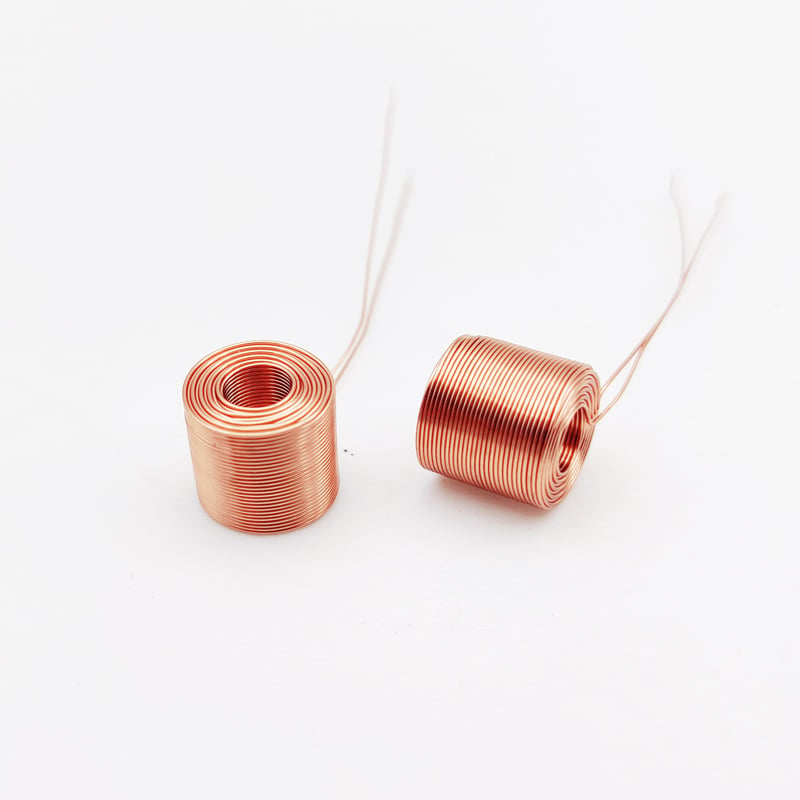
- Coil: High-quality enameled copper wire has better conductivity, heat dissipation, and durability than aluminum wire.
- Plunger & Core: High-permeability silicon steel or pure iron cores improve magnetic conductivity, enhancing thrust and efficiency.
- Housing: Stainless steel or electroplated iron housings provide anti-corrosion and anti-rust protection, suitable for harsh environments.
Additionally, choose solenoids that comply with international quality standards (e.g., CE, ROHS, ISO 9001) to ensure safety and compatibility with global equipment.
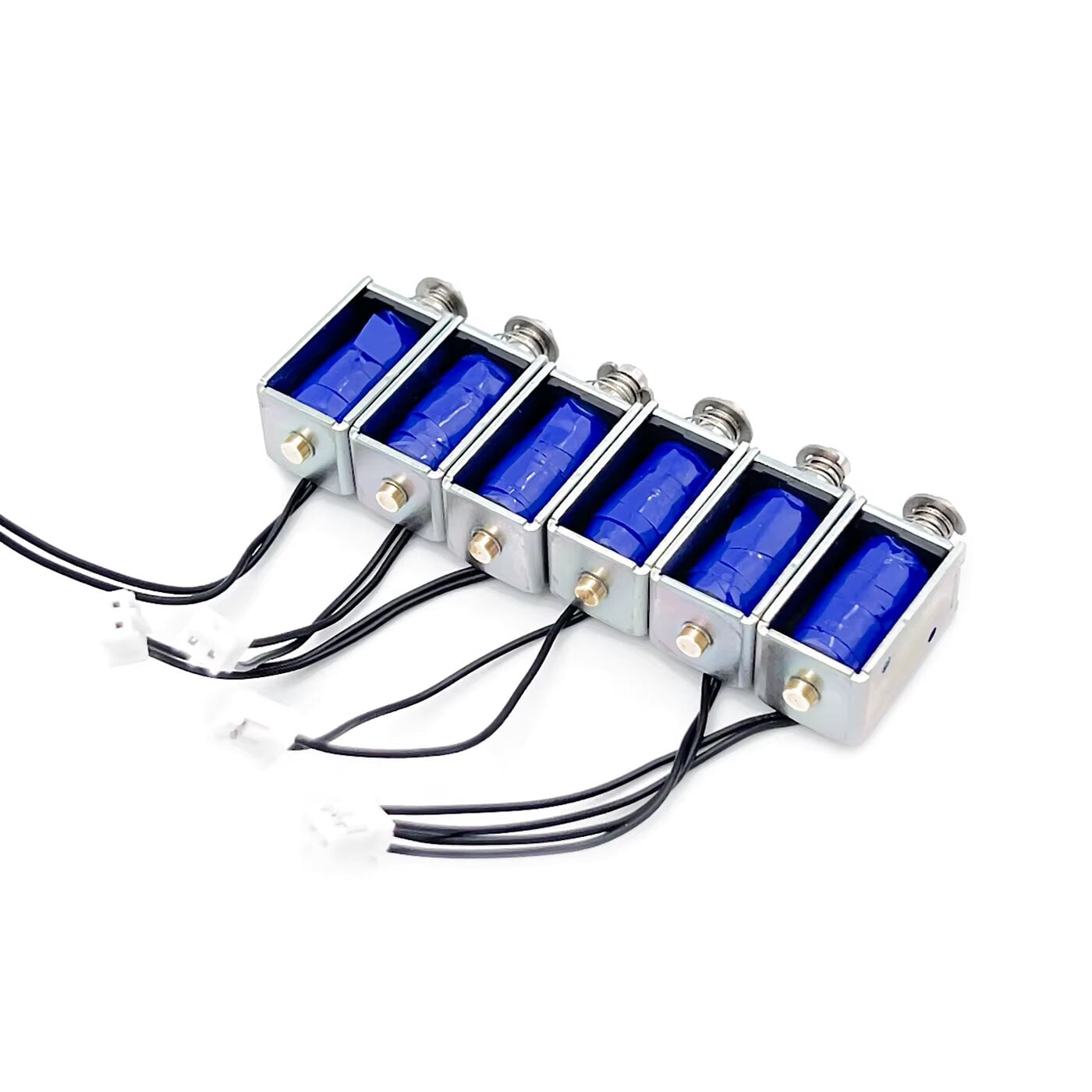
If standard push pull solenoids (with fixed parameters) cannot meet your specific needs (e.g., special size, thrust, or voltage), choose a reliable manufacturer that provides OEM/ODM customization services. A professional manufacturer can tailor the solenoid according to your application requirements, ensuring perfect integration with your equipment.
Selecting a reputable manufacturer is as important as choosing the right solenoid. Look for manufacturers with rich R&D and production experience, advanced testing equipment, and positive customer reviews. A reliable manufacturer will provide professional technical guidance, fast sample development, and comprehensive after-sales support (e.g., warranty, maintenance, and technical troubleshooting), helping you solve problems quickly.
By following these steps, you can select a push pull solenoid that perfectly matches your application, ensuring stable equipment operation, improving efficiency, and reducing maintenance costs. If you have specific requirements or need professional advice, feel free to contact our team for customized solutions.
 Hot News
2026-09-08
2026-09-04
2026-09-01
2026-08-24
2026-08-17
2026-08-17
Zhongshan Landa Technology: ISO9001 & UL-certified manufacturer of custom electromagnets, push-pull solenoids, and induction coils for automation, medical, auto & appliances. Trusted global partner since 2008.
3F, Building 4, No.8 North Industrial Avenue Xiaolan, Xiaolan Town, Zhongshan, Guangdong, China
Copyright © Zhongshan Landa Technology Co., Ltd All Rights Reserved Privacy Policy

 EN
EN