Flat Induction Coil - Efficient Heating Solutions

Get a Free Quote

Our representative will contact you soon.
Email
Name
Company Name
Message
0/1000

flat induction coil

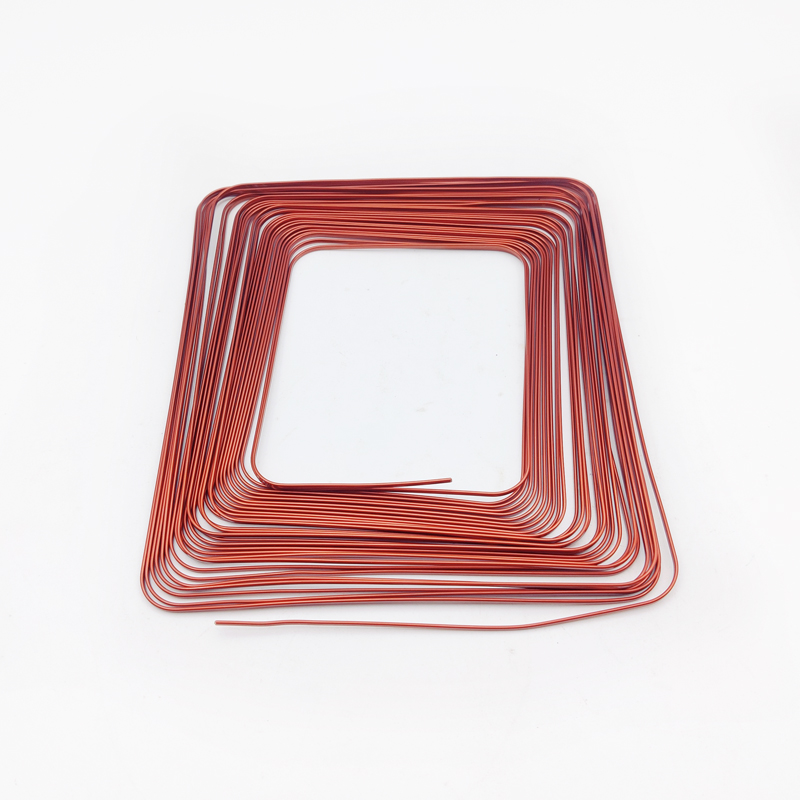
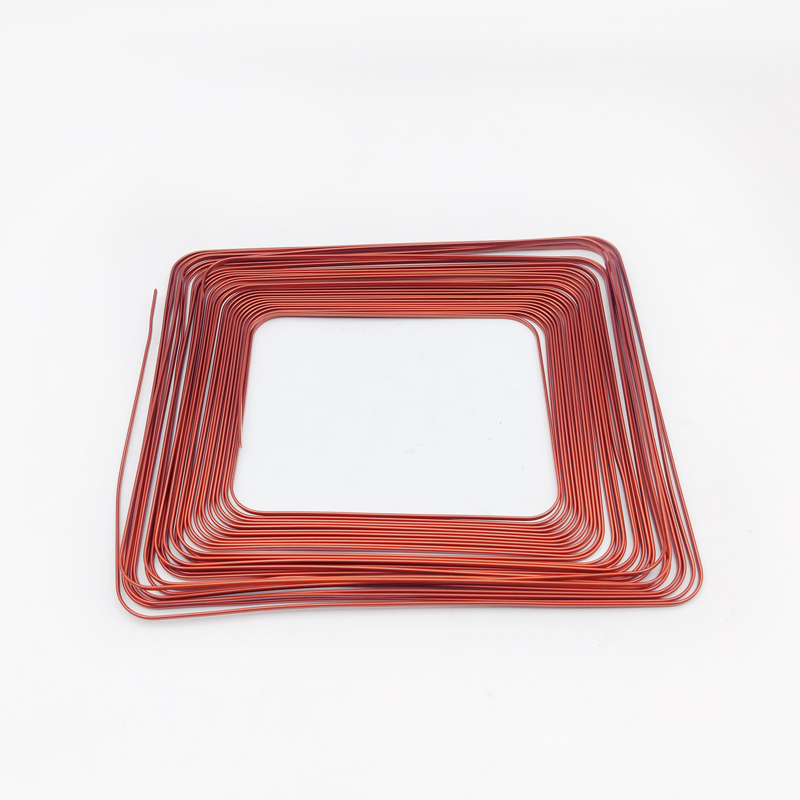
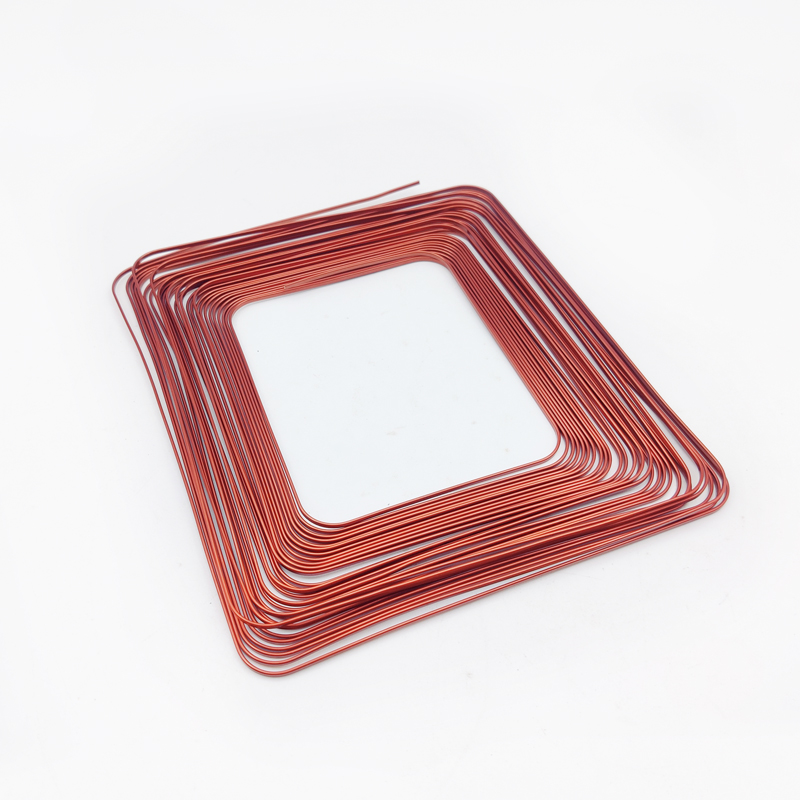
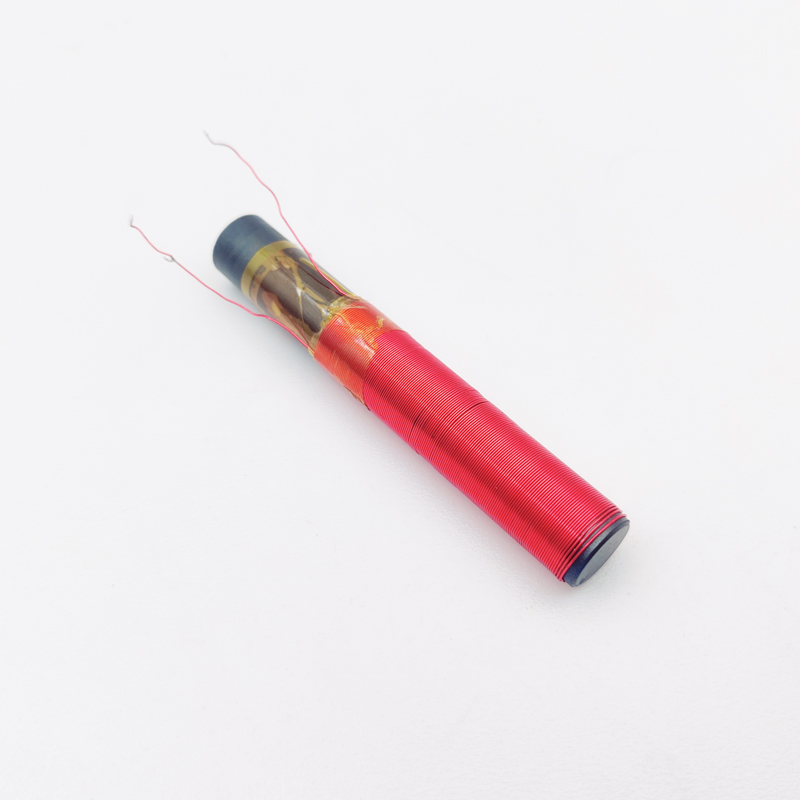
A flat induction coil is a specialized electromagnetic component designed with a planar spiral configuration that generates concentrated magnetic fields for induction heating applications. Unlike traditional cylindrical coils, the flat induction coil features a pancake-style design where copper tubing or wire is wound in a flat, spiral pattern, creating an efficient heating surface ideal for processing workpieces with flat or shallow geometries. This innovative design enables precise heat distribution across the surface area, making it essential for applications requiring uniform temperature control. The flat induction coil operates by converting electrical energy into electromagnetic energy, which induces eddy currents within conductive materials placed near the coil surface. These currents generate localized heat through resistance, allowing for rapid and controlled heating without direct contact. The technological features of the flat induction coil include optimized turn spacing for enhanced magnetic field penetration, water-cooling channels integrated within the copper conductor to manage thermal loads, and customizable dimensions to accommodate various workpiece sizes. Common applications span automotive manufacturing for heat treating gears and shafts, semiconductor production for wafer processing, metal forming operations for localized heating before bending or stamping, and brazing processes that require precise joint heating. The flat induction coil excels in scenarios where surface heating, shallow hardening depths, or heating of large flat components is required, offering manufacturers a versatile solution for modern induction heating challenges across multiple industries.

New Product Releases

The flat induction coil delivers exceptional energy efficiency by concentrating electromagnetic fields exactly where heating is needed, reducing energy waste and lowering operational costs compared to conventional heating methods. This targeted heating capability means you only heat the workpiece rather than the entire surrounding environment, translating to significant savings on your electricity bills while improving workplace comfort by minimizing ambient heat. The rapid heating cycles achievable with a flat induction coil dramatically increase production throughput, as components reach target temperatures in seconds rather than minutes, allowing you to process more parts per shift and meet demanding production schedules. Operational benefits extend to precise temperature control, which ensures consistent quality across all heated parts, reducing scrap rates and rework costs while enhancing product reliability. The flat induction coil requires minimal maintenance since there are no combustion components, heating elements to replace, or complicated mechanical systems that wear out over time, resulting in higher equipment uptime and lower long-term ownership costs. Application suitability is particularly strong for industries processing flat metal components, shallow case hardening requirements, brazing operations, and surface treatments where controlled penetration depth is critical. The compact footprint of the flat induction coil allows integration into existing production lines without major facility modifications, making it an accessible upgrade for manufacturers seeking to modernize their heating processes. Safety advantages include elimination of open flames, reduced risk of burns from hot surfaces, and improved air quality since no combustion byproducts are generated. The responsive nature of induction heating with a flat induction coil enables quick startup and shutdown, providing flexibility to adapt to changing production demands while minimizing energy consumption during idle periods.

Latest News

Key Features of Tubular Solenoids

09

May

Key Features of Tubular Solenoids

View More
Why do solenoids remain relevant in an age of smart actuators?

29

Jun

Why do solenoids remain relevant in an age of smart actuators?

View More
How to select a 12V solenoid for battery-powered systems?

29

Jun

How to select a 12V solenoid for battery-powered systems?

View More
Ferrite core coil selection: material grades and their real-world impact

29

Jun

Ferrite core coil selection: material grades and their real-world impact

View More

Get a Free Quote

Our representative will contact you soon.
Email
Name
Company Name
Message
0/1000

flat induction coil

Superior Heating Uniformity Across Flat Surfaces

Superior Heating Uniformity Across Flat Surfaces

The flat induction coil delivers unmatched heating uniformity when processing components with flat or shallow geometries, a critical advantage that directly impacts product quality and manufacturing consistency. The planar spiral design creates an evenly distributed magnetic field across the entire coil face, ensuring that every area of the workpiece receives proportional heating energy. This uniformity eliminates hot spots and cold zones that plague conventional heating methods, preventing warping, distortion, or inconsistent material properties in finished parts. For heat treating applications, this means achieving uniform hardness patterns across the entire treated surface, which is essential for components subjected to wear or stress in service. The flat induction coil configuration allows close coupling between the coil and workpiece, maximizing energy transfer efficiency while maintaining temperature consistency. Manufacturers benefit from reduced quality control rejection rates, as parts processed with a flat induction coil exhibit predictable and repeatable metallurgical transformations. This heating uniformity also enables tighter process control windows, allowing engineers to optimize cycle times without risking quality compromises. Industries such as automotive, aerospace, and tooling rely on this consistent performance to meet stringent specifications and ensure long-term component reliability in demanding applications.
Flexible Design Customization for Specific Applications

Flexible Design Customization for Specific Applications

The flat induction coil offers exceptional design flexibility, allowing manufacturers to tailor coil geometry, turn configuration, and dimensions to match specific workpiece requirements and heating objectives. Engineers can customize the spiral pattern, adjusting turn spacing and coil diameter to optimize magnetic field concentration for particular component shapes and sizes. This adaptability makes the flat induction coil suitable for an extraordinarily wide range of applications, from heating small precision components measuring just a few centimeters to processing large plates spanning several meters. The ability to design multi-zone flat induction coils enables differential heating across a single workpiece, useful for applications requiring varying temperatures in different regions. Cooling channel configurations can be optimized based on power density requirements, ensuring reliable operation even at high power levels needed for rapid heating cycles. Material selection for the conductor, typically copper or copper alloys, can be specified based on electrical conductivity needs and operating environment considerations. This customization capability allows manufacturers to achieve optimal performance for their specific production requirements rather than compromising with a one-size-fits-all solution. The flat induction coil can be engineered to integrate seamlessly with automated handling systems, robotic positioning equipment, and quality monitoring sensors, creating a fully optimized heating station tailored to your production workflow and efficiency goals.
Rapid Heating Response and Process Control

Rapid Heating Response and Process Control

The flat induction coil provides instantaneous heating response and exceptional process control precision, enabling manufacturers to implement sophisticated thermal processing strategies that were previously impractical or impossible. The electromagnetic induction principle generates heat directly within the workpiece material rather than relying on thermal conduction from an external source, resulting in heating rates that can reach hundreds of degrees per second. This rapid response allows the flat induction coil to achieve target temperatures almost immediately after power application, eliminating lengthy preheat periods and enabling just-in-time heating strategies that improve production flexibility. The inherent controllability of induction heating allows precise regulation of power input, making it possible to follow complex temperature profiles with accuracy measured in single-digit degrees. Advanced control systems can monitor workpiece temperature in real-time using infrared sensors or thermocouples, automatically adjusting power delivery to maintain setpoints throughout the heating cycle. This level of control ensures repeatable metallurgical results, critical for applications where material properties must fall within narrow specification ranges. The quick response also enables rapid shutdown, preventing overheating and allowing immediate transition to the next production step. For processes requiring selective heating of specific areas while keeping adjacent regions cool, the flat induction coil configuration provides unmatched capability to localize heating effects precisely where needed.

Get a Free Quote

Our representative will contact you soon.
Email
Name
Company Name
Message
0/1000