solenoid lock
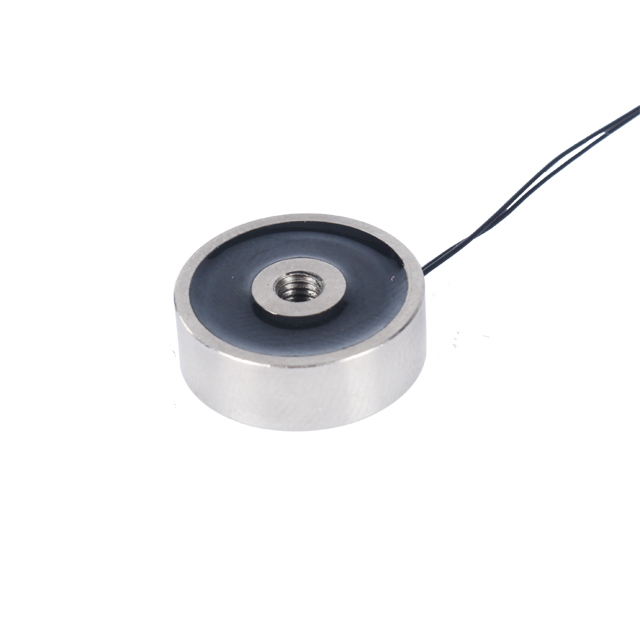
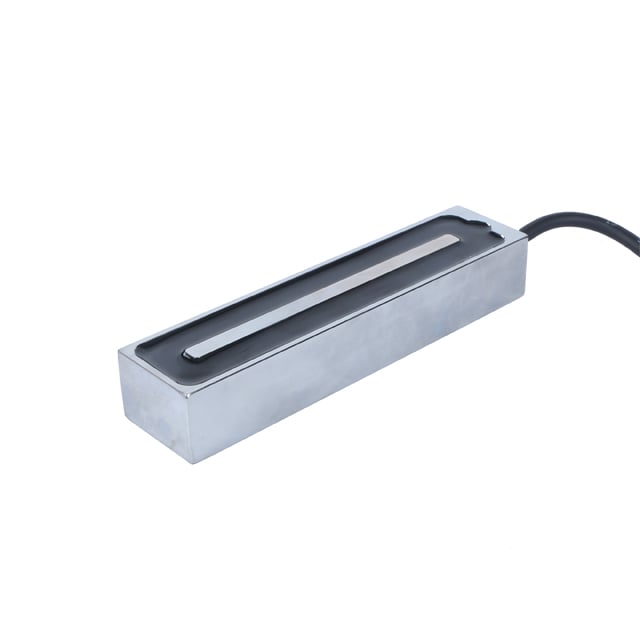
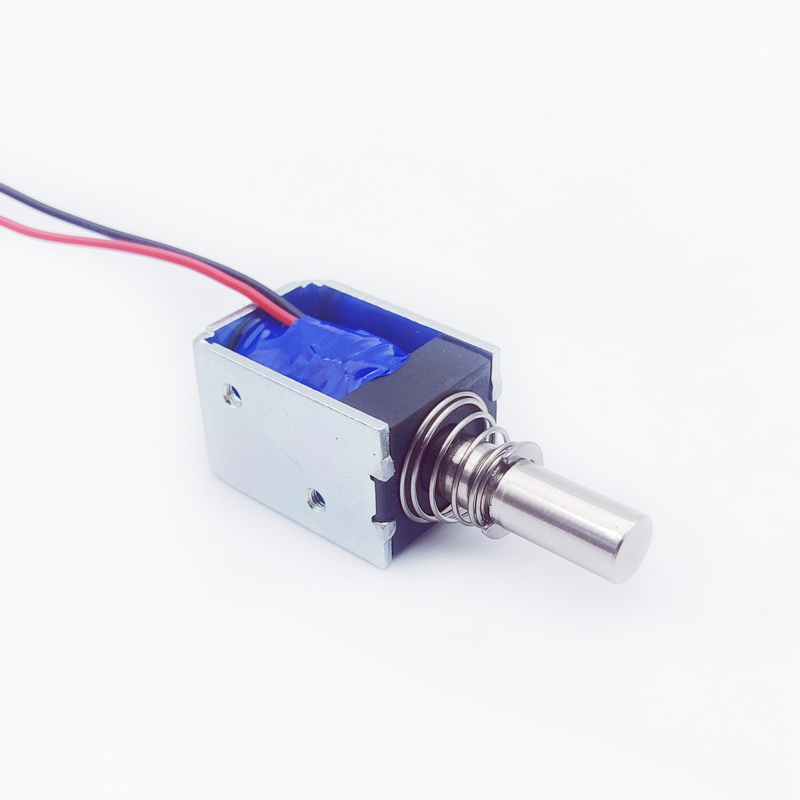
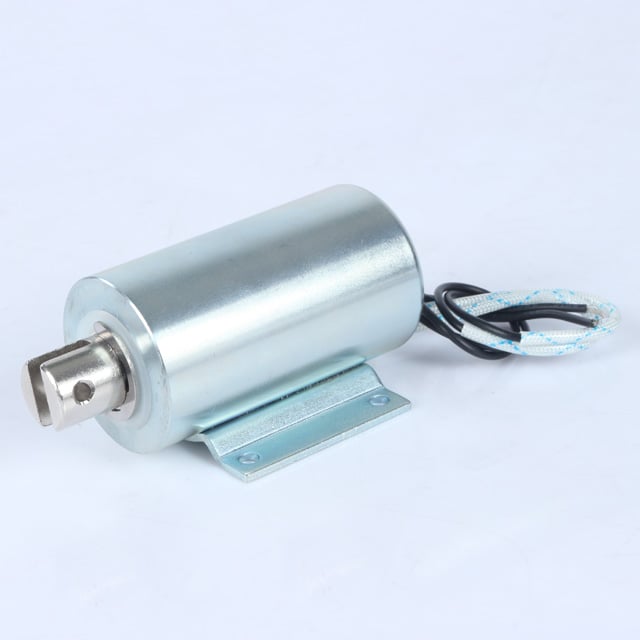
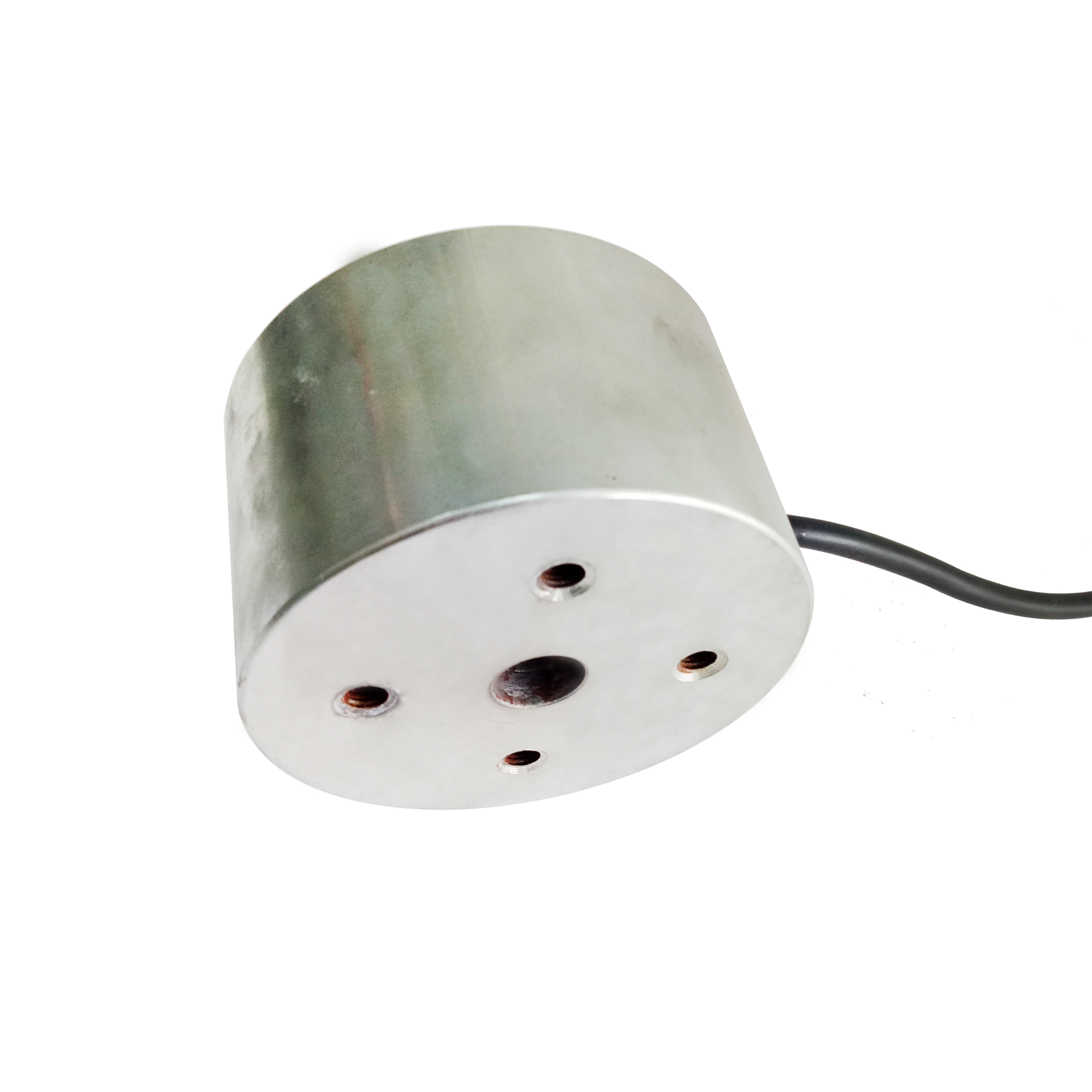
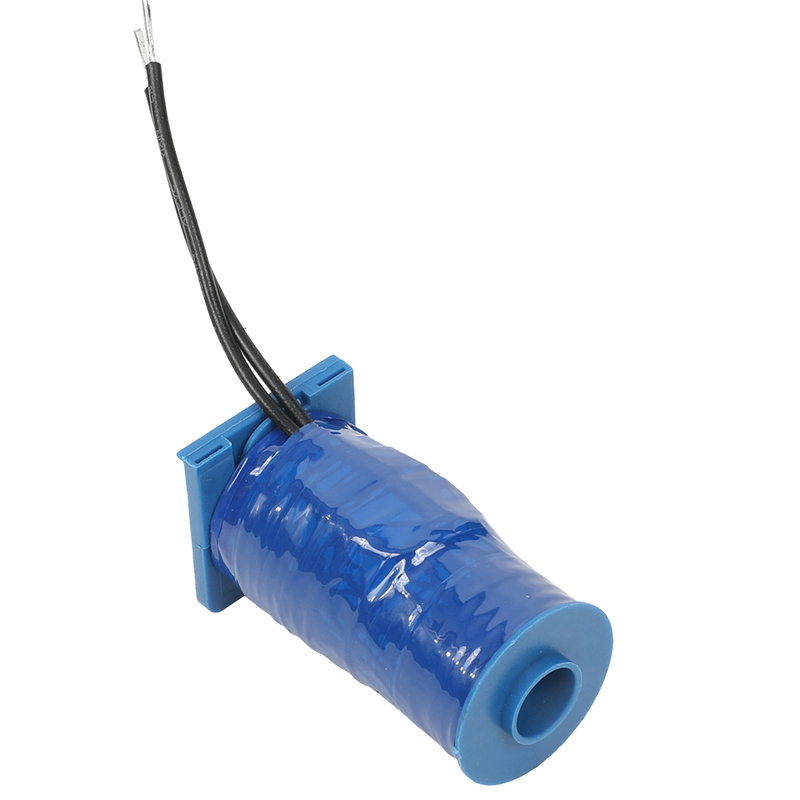
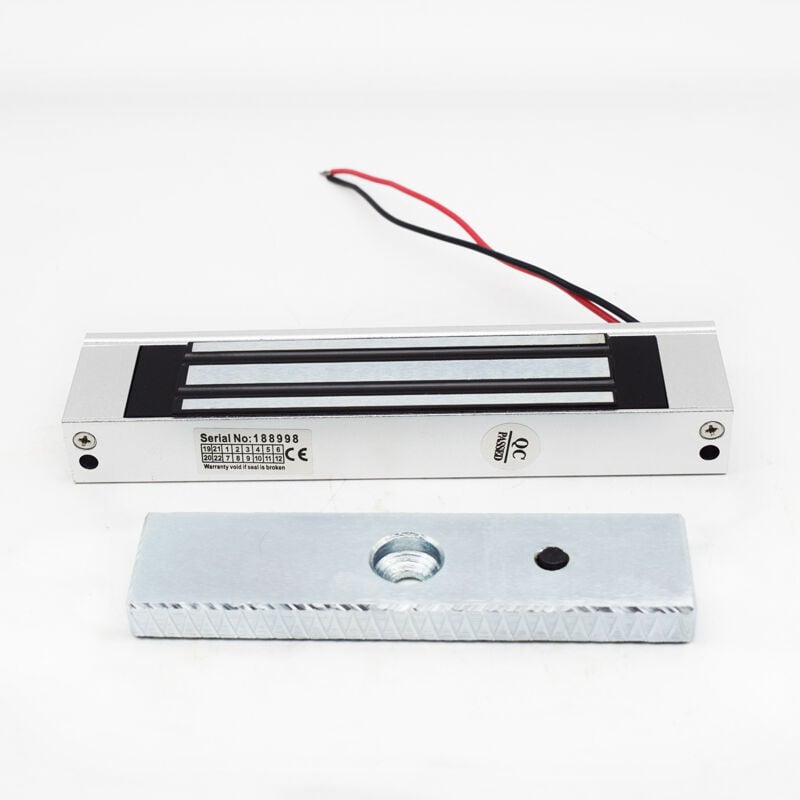
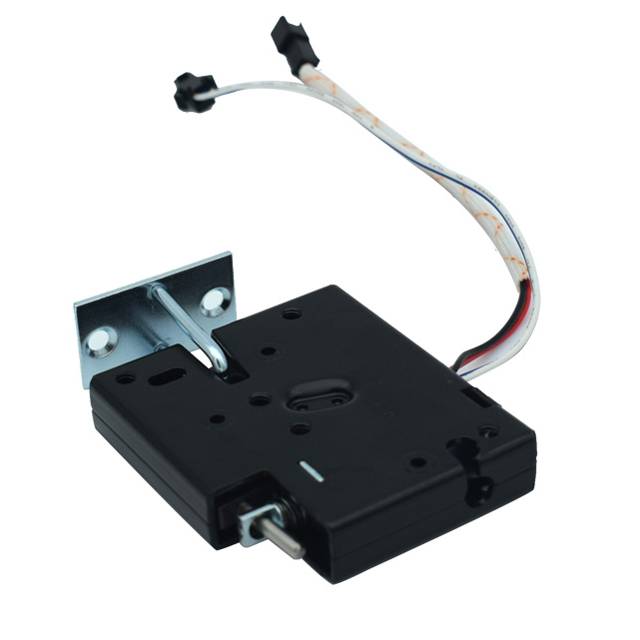
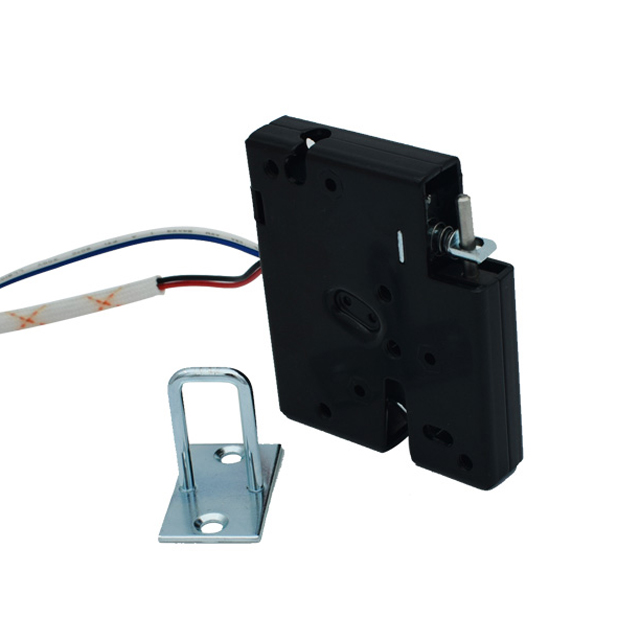
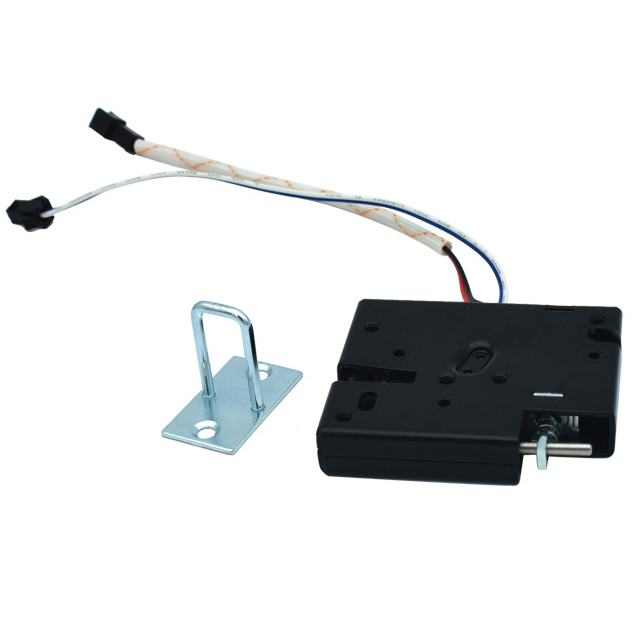
A solenoid lock is an electromechanical locking device that uses electromagnetic force to control access and secure various applications. This innovative locking mechanism operates through a solenoid coil that generates a magnetic field when electrical current flows through it, causing a plunger or bolt to move and engage or disengage the locking mechanism. The solenoid lock has become increasingly popular across residential, commercial, and industrial sectors due to its reliable performance and versatile functionality. The main functions of a solenoid lock include remote access control, automated locking and unlocking, and integration with security systems. These locks can be activated through various methods such as keypads, card readers, biometric scanners, or remote control systems, making them highly adaptable to different security requirements. Technological features of the solenoid lock include fast response times, typically operating within milliseconds, low power consumption, and durable construction designed for long-term use. Many models offer fail-safe or fail-secure configurations, allowing users to choose whether the lock opens or remains closed during power failures. Applications for the solenoid lock span multiple industries including smart home systems, office buildings, hotels, hospitals, vending machines, cabinets, safes, and automated door systems. The compact design of the solenoid lock makes it suitable for installation in confined spaces where traditional mechanical locks would be impractical. With continuous advancements in technology, modern solenoid lock systems now feature enhanced security protocols, wireless connectivity options, and compatibility with smart building management systems, positioning them as essential components in contemporary access control solutions.
 ×
×

 EN
EN