 ×
×

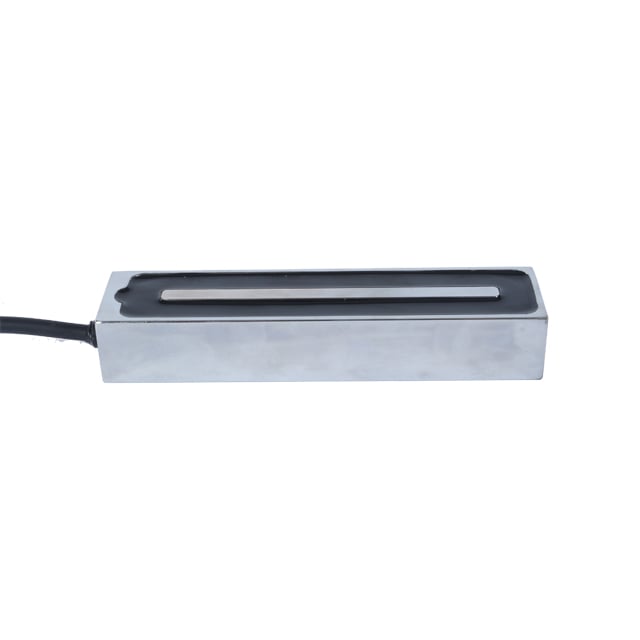
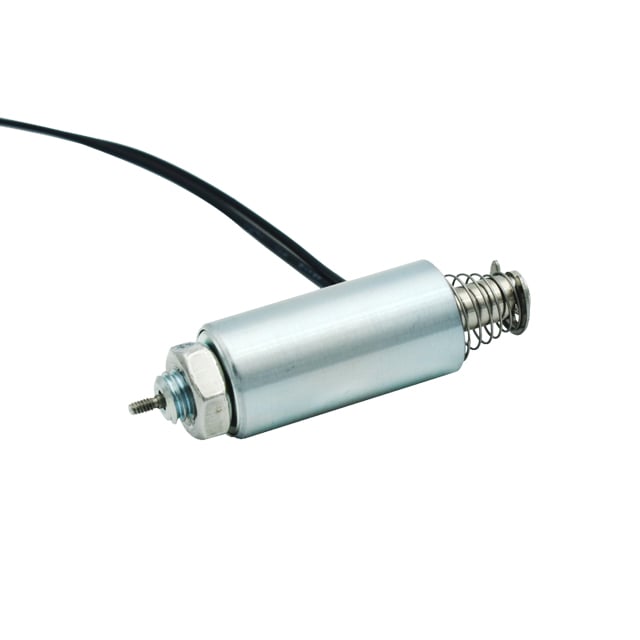
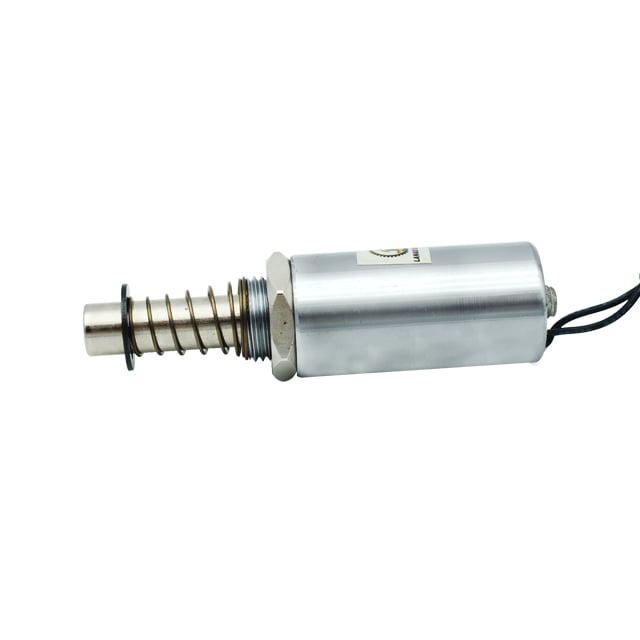
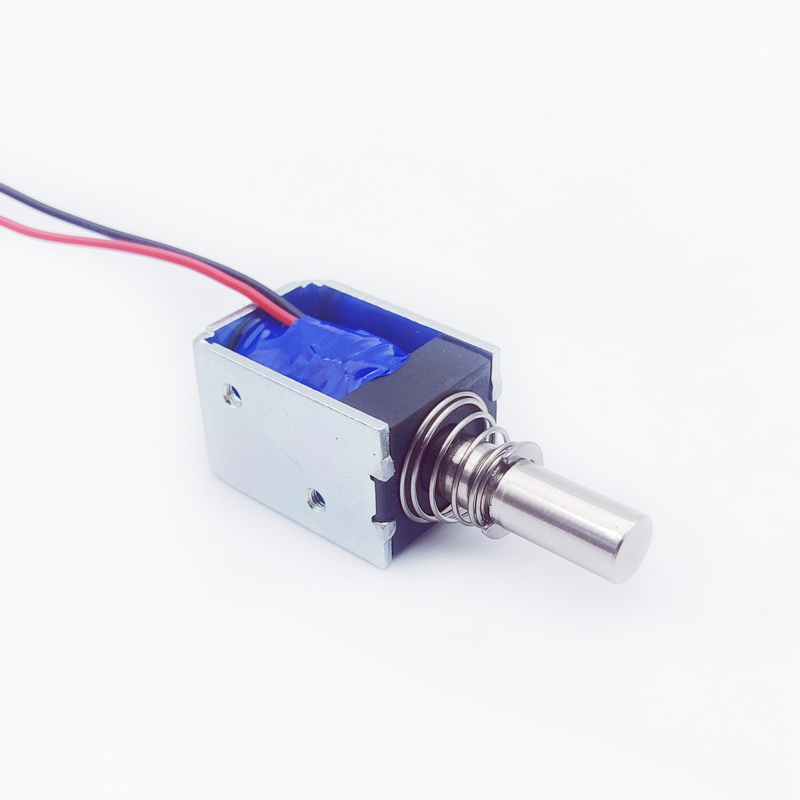
Selecting the right dc electromagnet for continuous-duty operation is one of the most demanding decisions an engineer faces in industrial automation, material handling, or fixture design. A dc electromagnet that performs well in a short-cycle test can fail prematurely when energized for hours on end, because heat accumulation, coil insulation degradation, and voltage drop all behave very differently under sustained power. Understanding the key selection criteria before purchasing a dc electromagnet will save significant cost and downtime in production environments.
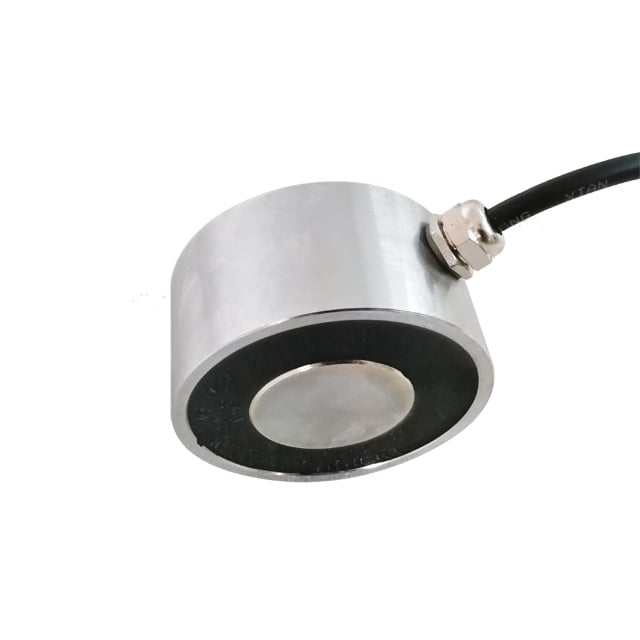
Continuous-duty operation means the dc electromagnet remains energized for extended periods — often indefinitely — without a scheduled off-cycle to allow cooling. This is fundamentally different from intermittent-duty applications where the dc electromagnet cycles on and off repeatedly with adequate rest intervals. For continuous-duty use, every specification on the datasheet must be evaluated against long-term thermal and electrical realities rather than peak or short-term values.
Every dc electromagnet carries a duty cycle rating expressed as a percentage, representing the fraction of time the device can remain energized within a defined cycle period. A dc electromagnet rated at 25% duty cycle can safely operate for 15 minutes out of every hour. When you apply a dc electromagnet to continuous-duty service, you need a unit explicitly rated at 100% duty cycle or labeled as 'continuous duty.' Using an intermittent-rated dc electromagnet in a continuous application will cause the coil temperature to exceed safe limits, destroying the winding insulation and causing permanent failure. Always verify the duty cycle specification in the product datasheet and treat it as a hard limit rather than a conservative suggestion.
The insulation class of a dc electromagnet coil determines the maximum temperature the winding material can withstand before degrading. Class B insulation allows a maximum coil temperature of approximately 130°C, while Class F extends this to 155°C, and Class H reaches 180°C. For continuous-duty applications, selecting a dc electromagnet with Class F or Class H insulation provides a meaningful thermal safety margin, especially in warm ambient environments such as foundries, outdoor enclosures, or heated process areas. A dc electromagnet with higher insulation class will have a longer service life when operated continuously, because thermal aging of coil materials is highly sensitive to sustained temperature elevation.
The rated holding force of a dc electromagnet is typically measured under ideal conditions: clean contact surfaces, full supply voltage, and zero air gap. In continuous-duty installations, actual holding performance can deviate from these ideal conditions due to surface wear, minor misalignment, or supply voltage fluctuations. When selecting a dc electromagnet for continuous duty, apply a service factor of at least 1.5 to 2 times the nominal load. This means if your application requires 50 kg of holding force, the dc electromagnet you select should be rated for 75 to 100 kg under ideal conditions. This safety margin ensures the dc electromagnet maintains adequate grip even when conditions are less than perfect over long operating periods.
A dc electromagnet is sensitive to supply voltage variation. A voltage drop of 10% can reduce holding force by nearly 20%, since electromagnetic force is proportional to the square of the coil current, which itself depends on supply voltage. For continuous-duty applications, it is critical to ensure the dc electromagnet receives a stable, regulated DC supply — typically 12V or 24V — throughout its operating life. Using an unregulated or poorly filtered power source with a dc electromagnet in continuous service can cause inconsistent holding performance and accelerate coil heating due to excessive current draw at lower-than-expected resistance after the coil warms up. Stabilized DC power supplies specifically rated for continuous electromagnetic loads are strongly recommended.
Heat is the primary enemy of a dc electromagnet in continuous-duty service. Even a properly rated dc electromagnet will build up steady-state heat that must be dissipated to the surrounding environment. Mounting configuration plays a direct role in this: a dc electromagnet mounted in open air with metal-to-metal contact to a large steel fixture will dissipate heat far more efficiently than one embedded in a non-conductive housing. Avoid configurations that trap heat around the dc electromagnet body. If ambient temperatures are elevated, consider selecting a dc electromagnet with a lower watt-per-unit-area power density or one that explicitly carries a continuous-duty thermal rating at the expected ambient temperature. Some manufacturers provide derating tables that specify reduced holding force at higher ambient temperatures — reviewing these tables before finalizing your dc electromagnet selection can prevent field failures.
A dc electromagnet used in continuous-duty industrial settings must also be evaluated for its IP protection rating. Environments involving dust, coolant mist, or humidity can infiltrate the coil housing of an inadequately sealed dc electromagnet, causing insulation breakdown or corrosion of the pole face. An IP65-rated or higher dc electromagnet is appropriate for wet or dusty conditions. Mechanically, the mounting structure around the dc electromagnet must be rigid enough to prevent vibration-induced air gaps, since even slight intermittent separation between the dc electromagnet pole face and the attracted surface causes energy spikes that stress the coil and reduce operational lifespan. Verify that mounting bolt torque specifications are followed and that contact surfaces are kept clean and flat.
No. Only a dc electromagnet explicitly rated for 100% duty cycle or labeled as 'continuous duty' is suitable for sustained energization. Using an intermittent-rated dc electromagnet in continuous service will cause coil overheating and premature failure. Always verify the duty cycle and insulation class before specifying a dc electromagnet for continuous operation.
The most common supply voltages for a continuous-duty dc electromagnet in industrial applications are 12V DC and 24V DC. Both voltages allow the use of standard regulated power supplies and are widely supported by control systems. The 24V level is often preferred in industrial environments because it reduces supply current for the same power, minimizing wiring losses and heat generation in the dc electromagnet coil.
Start with your required holding load, then apply a safety factor of 1.5 to 2.0. For example, if your dc electromagnet must hold a 60 kg load continuously, select a dc electromagnet with a rated holding force of 90 to 120 kg under ideal conditions. This accounts for surface imperfections, minor voltage variation, thermal effects on coil resistance, and the natural reduction in holding force that occurs over the lifetime of the dc electromagnet.
 Hot News
2026-08-24
2026-08-17
2026-08-17
2026-08-10
2026-08-03
2026-07-30
Zhongshan Landa Technology: ISO9001 & UL-certified manufacturer of custom electromagnets, push-pull solenoids, and induction coils for automation, medical, auto & appliances. Trusted global partner since 2008.
3F, Building 4, No.8 North Industrial Avenue Xiaolan, Xiaolan Town, Zhongshan, Guangdong, China
Copyright © Zhongshan Landa Technology Co., Ltd All Rights Reserved Privacy Policy

 EN
EN