 ×
×

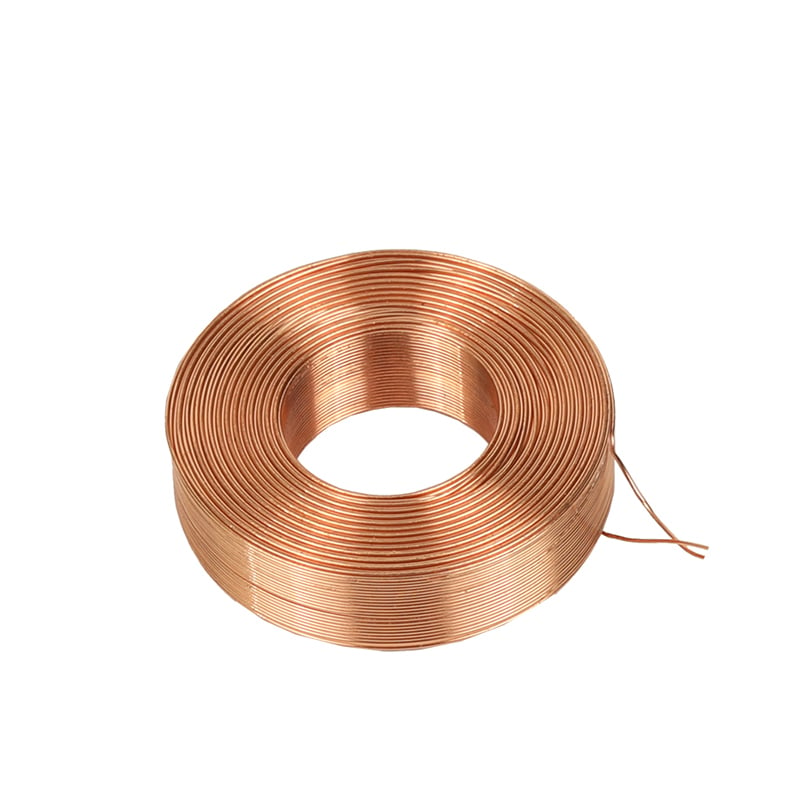
In modern electronics manufacturing, the bobbin coil is one of the most consistently specified passive components found across a wide range of production lines. From compact consumer electronics to heavy-duty industrial control boards, the bobbin coil serves as a foundational element in electromagnetic energy management, signal filtering, and actuator control. Understanding exactly where each bobbin coil fits within manufacturing workflows helps engineers, procurement teams, and production planners make better sourcing and design decisions.
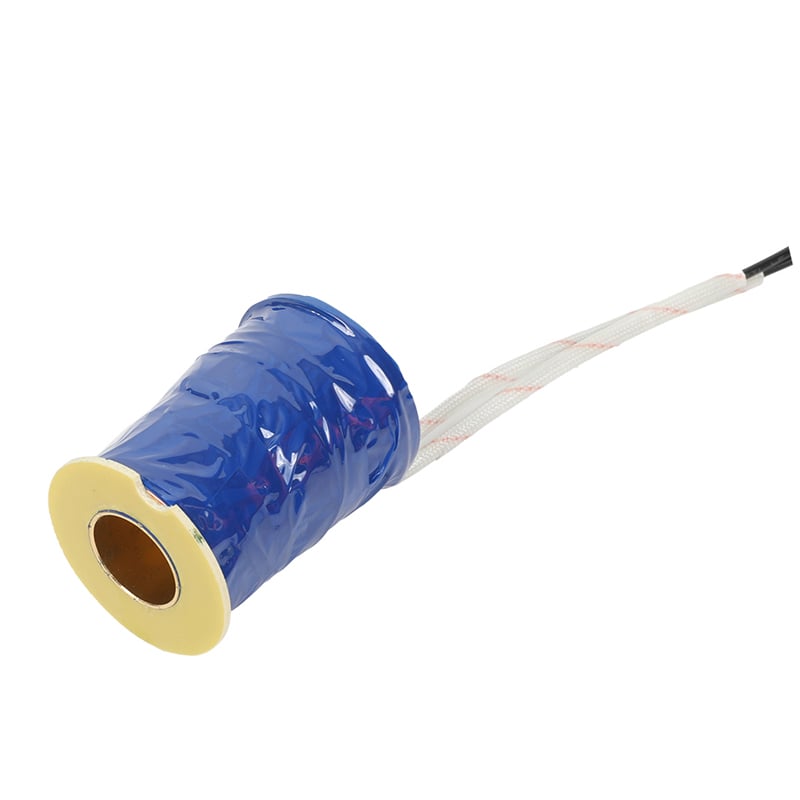
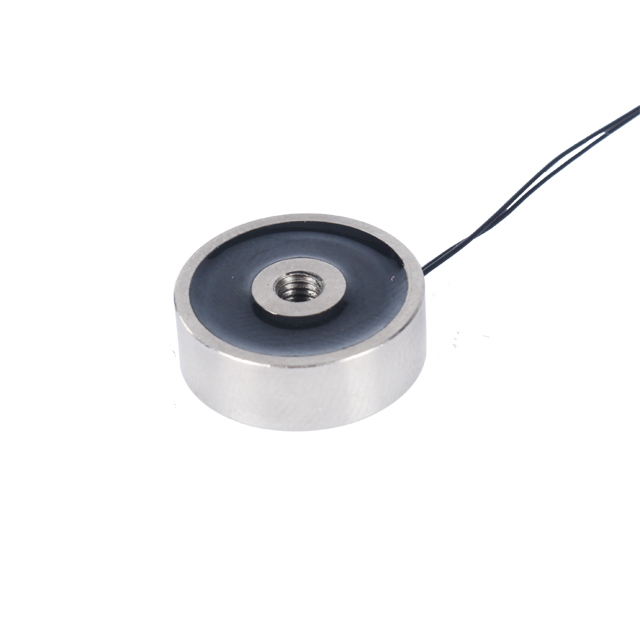
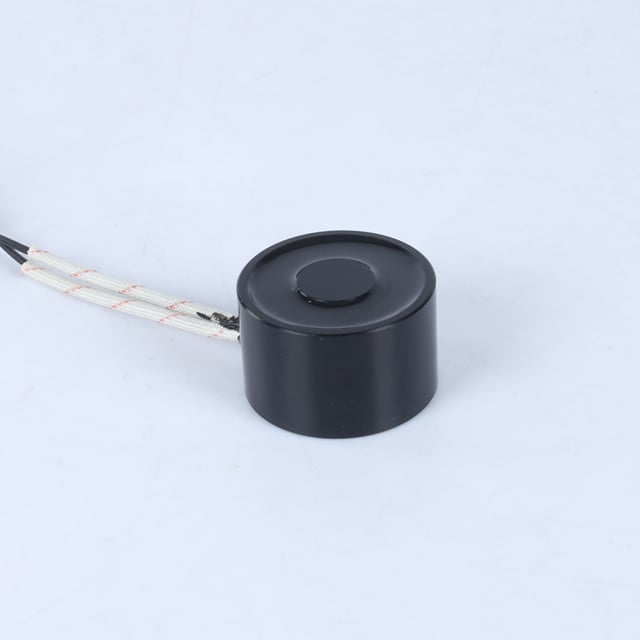
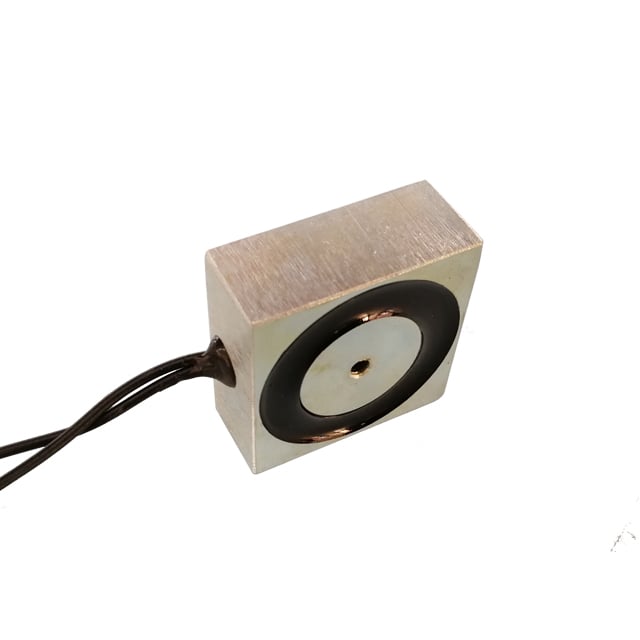
A bobbin coil is constructed by winding conductive wire, most commonly copper, around a structured bobbin form made from materials such as nylon, plastic, or ferrite-compatible polymers. This construction gives the bobbin coil its mechanical consistency, thermal stability, and repeatable electrical characteristics. These properties are exactly what electronics manufacturing lines demand when components must perform identically across thousands or even millions of production cycles. The bobbin coil is not simply a commodity part — it is a precision-engineered element that directly influences product quality and system reliability.
One of the most common production areas where a bobbin coil is assembled is DC power conversion. In switch-mode power supplies and DC-DC converter modules, the bobbin coil acts as the inductive storage element that smooths current flow and regulates output voltage. Manufacturing lines producing 12V and 24V power modules routinely install a bobbin coil rated to handle specific inductance values and saturation current thresholds. The structured winding of a bobbin coil ensures consistent inductance from unit to unit, which is critical when power modules are tested against tight electrical tolerances before shipment.
In variable inductor assemblies, a bobbin coil with an air-core or ferrite-core configuration allows inductance to be adjusted within a defined range. This type of bobbin coil is particularly useful in manufacturing lines producing tunable power conditioning equipment, where output characteristics must be set during final calibration. Engineers specify the bobbin coil geometry and winding configuration based on required inductance range, DC resistance targets, and thermal performance under continuous load conditions.
Electronics manufacturing lines building EMI filter modules rely heavily on the bobbin coil as a core inductive element. A bobbin coil wound on a toroidal or cylindrical bobbin form can attenuate high-frequency interference signals that would otherwise degrade sensitive downstream circuits. In production environments where filter assemblies are installed into industrial inverters, motor drives, or medical power supplies, each bobbin coil is verified for impedance characteristics at defined frequencies. The bobbin coil must meet strict insertion loss specifications to qualify for final assembly integration.
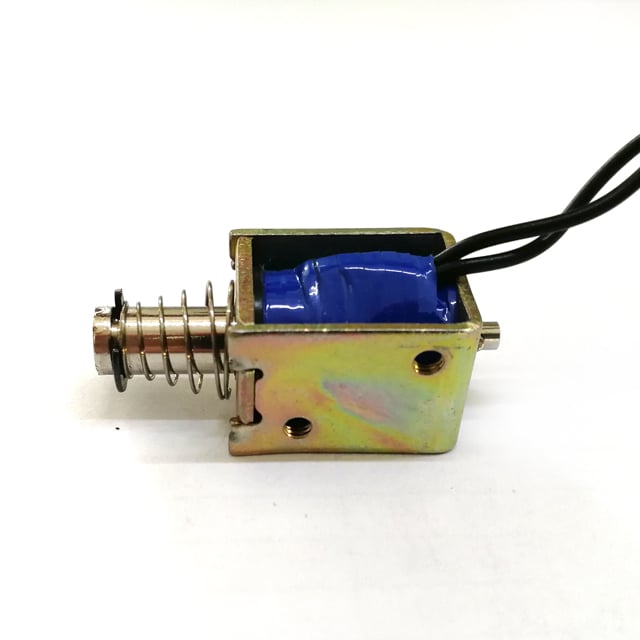
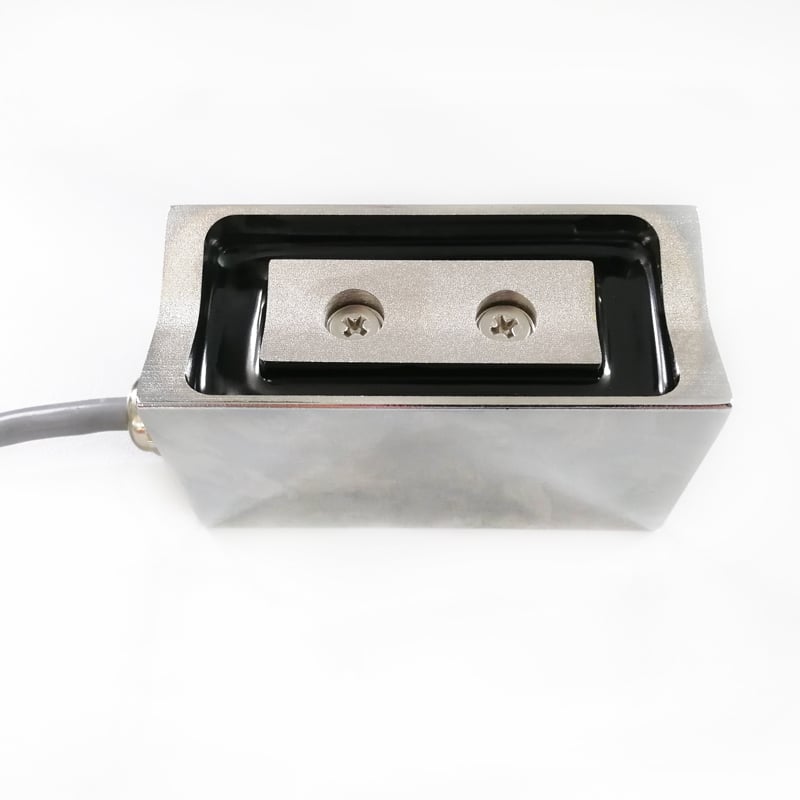
Solenoid actuators are produced in high volumes across industries such as automotive, fluid control, and industrial automation, and every solenoid actuator contains at least one bobbin coil as its electromagnetic core. During solenoid assembly, a bobbin coil is wound to achieve a specific ampere-turn rating that determines the force generated when current is applied. The bobbin coil must be mechanically robust enough to withstand coil insertion, resin potting, and mechanical pressing during automated assembly sequences. Any inconsistency in bobbin coil winding tension or wire gauge can directly cause actuator force variation or coil failure under field conditions.
Valve solenoid production lines are a specific example where the bobbin coil is assembled in very high quantities. Each bobbin coil is tested for coil resistance, insulation resistance, and pull force before it is paired with a plunger assembly. The bobbin coil geometry must also match the mechanical envelope of the solenoid housing precisely, since manufacturing tolerances in this application are extremely tight. Automated winding machines produce each bobbin coil with programmed winding counts to ensure repeatability across entire production batches.
Inductive proximity sensor manufacturing lines use the bobbin coil as the sensing element that generates and responds to electromagnetic fields. The bobbin coil in this application is wound at high precision, since the frequency response and sensitivity of the finished sensor depend directly on the inductance of the bobbin coil. Even minor deviations in winding count or core material can shift the detection range of the sensor. Production lines dedicated to proximity sensor manufacturing often include in-process bobbin coil testing stations where each bobbin coil is verified before encapsulation.
In RF and signal processing electronics manufacturing, the bobbin coil serves as an inductive element within tuned circuits, bandpass filters, and impedance matching networks. An air-core bobbin coil is often specified for RF applications because it avoids core losses at high frequencies. Manufacturing lines producing telecommunications equipment, radio receivers, or signal conditioning modules typically source the bobbin coil in standardized form factors that can be placed and soldered automatically by pick-and-place machines. The bobbin coil must meet precise inductance tolerances to ensure the finished circuit operates within its intended frequency band.
Small signal transformers used in control and measurement electronics are frequently constructed around a bobbin coil architecture. The primary and secondary windings are both wound onto a shared bobbin form, with each winding representing a distinct bobbin coil layer. In manufacturing lines producing instrumentation, data acquisition hardware, or isolated power converters, the bobbin coil winding sequence and insulation layering are carefully specified in the production traveler. Correct bobbin coil construction directly determines isolation voltage, coupling efficiency, and leakage inductance for the finished transformer assembly.
The bobbin coil is also found in magnetic reed relay coils, current sense transformers, and gate drive transformer assemblies. Across all of these applications, the consistent mechanical form of the bobbin coil enables automated production and in-line quality testing, two requirements that modern electronics manufacturing lines cannot compromise on. A properly designed bobbin coil reduces rework rates, shortens assembly cycle time, and supports traceability throughout the production process.
Copper wire is the most common conductor used when manufacturing a bobbin coil for electronics applications. The wire is typically coated with polyurethane or polyester enamel insulation to prevent short circuits between adjacent winding layers. For high-frequency or high-temperature applications, a bobbin coil may use solderable heavy-build wire or self-bonding wire that allows the winding to be thermally bonded without additional adhesives.
The inductance of a bobbin coil directly determines how each finished assembly performs within its circuit. Manufacturing lines use LCR meters or impedance analyzers to verify that each bobbin coil meets its inductance specification within a defined tolerance, typically plus or minus five to ten percent. If a bobbin coil falls outside the acceptable inductance range, it must be rejected before integration into the final assembly to prevent field failures or performance deviations in the finished product.
Yes, a bobbin coil can be customized in terms of bobbin material, core type, wire gauge, winding count, and termination style to match the exact needs of a production line. Custom bobbin coil specifications are typically defined by the engineering team and provided to the winding supplier as a detailed drawing or specification sheet. Customizing the bobbin coil allows manufacturers to optimize performance, fit within specific mechanical envelopes, and meet regulatory or safety standards relevant to their target market.
 Hot News
2026-10-15
2026-10-13
2026-10-08
2026-10-06
2026-10-01
2026-09-21
Zhongshan Landa Technology: ISO9001 & UL-certified manufacturer of custom electromagnets, push-pull solenoids, and induction coils for automation, medical, auto & appliances. Trusted global partner since 2008.
3F, Building 4, No.8 North Industrial Avenue Xiaolan, Xiaolan Town, Zhongshan, Guangdong, China
Copyright © Zhongshan Landa Technology Co., Ltd All Rights Reserved Privacy Policy

 EN
EN