 ×
×

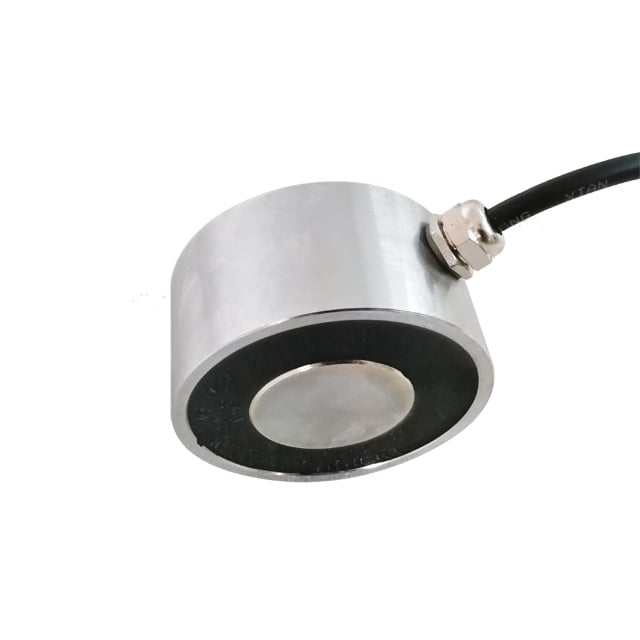
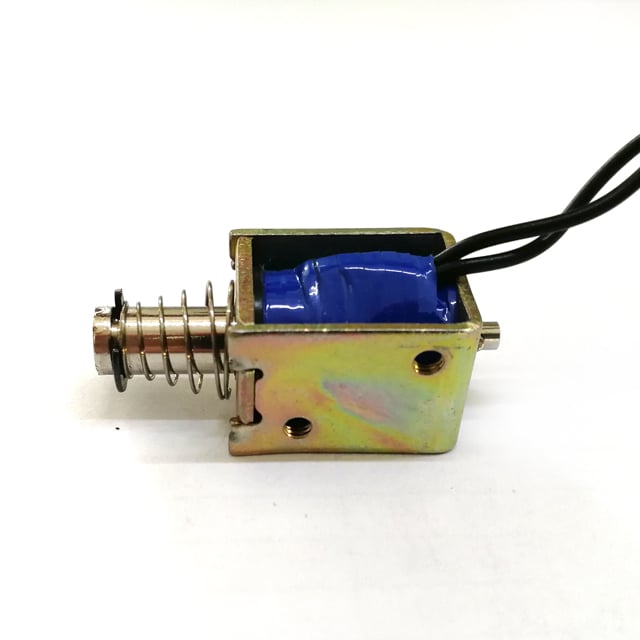
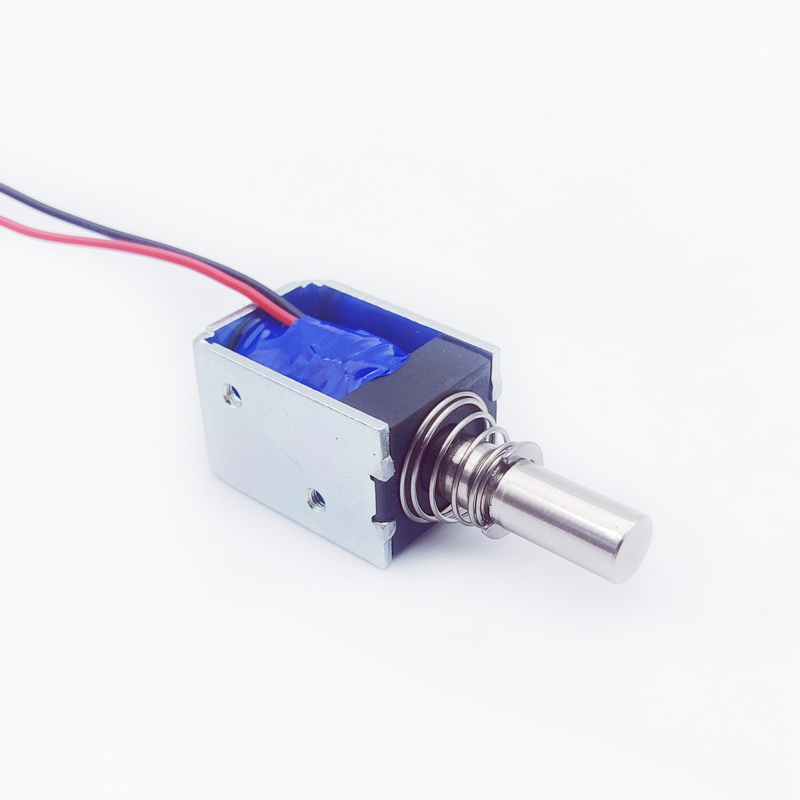
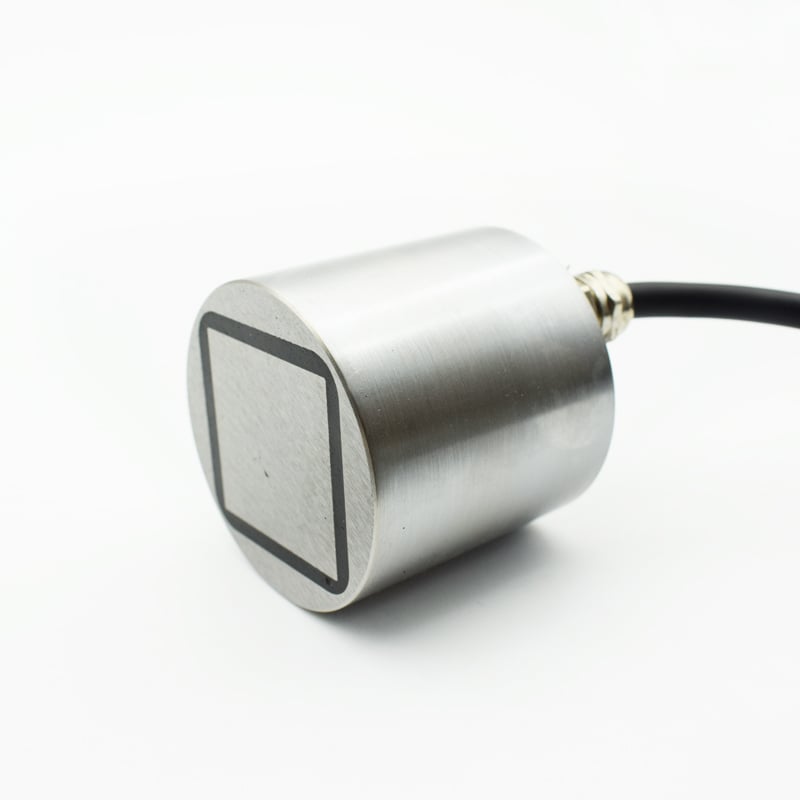
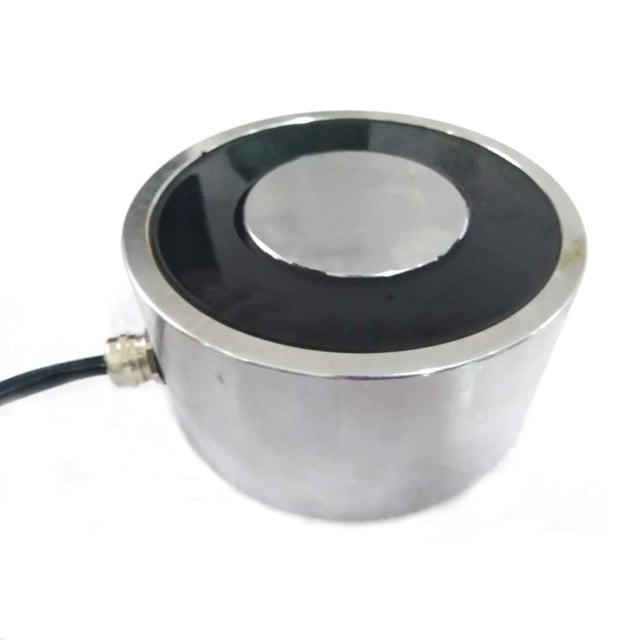
The dc electromagnet has become one of the most versatile and widely adopted components across modern manufacturing environments. Powered by direct current, a dc electromagnet generates a controlled magnetic field that can be switched on and off instantly, making it ideal for tasks that require precise, repeatable, and responsive magnetic force. As factories continue to automate and demand higher throughput with fewer errors, the dc electromagnet plays a central role in keeping production lines efficient and reliable.
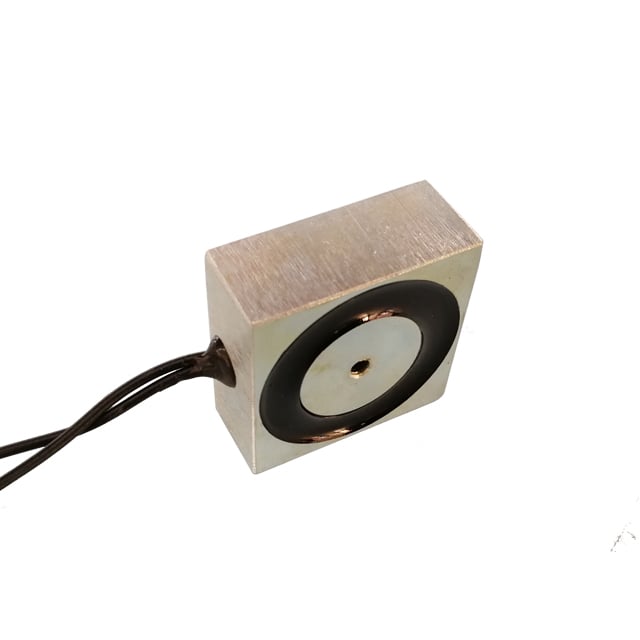
Understanding where a dc electromagnet is most commonly applied helps procurement engineers, plant managers, and automation specialists make better design and sourcing decisions. From robotic assembly stations to heavy material handling lines, the dc electromagnet appears in a remarkable range of manufacturing contexts. This article explores the dominant application areas, the operational logic behind each use case, and practical considerations for deploying a dc electromagnet effectively in an industrial setting.
One of the most prominent applications of the dc electromagnet in manufacturing is as an end-of-arm tool on industrial robot arms. A dc electromagnet mounted at the robot's wrist can pick up ferromagnetic components, transport them to precise positions, and release them on command by cutting power. This pick-and-place capability is far faster than mechanical grippers for flat or smooth metallic parts, and it reduces the mechanical complexity of the tooling. Because a dc electromagnet responds immediately to electrical signals, it synchronizes cleanly with the robot's motion controller.
In high-speed assembly cells, the dc electromagnet enables robots to handle metal stampings, brackets, bolts, and sheet metal blanks without physical clamping mechanisms that wear over time. The dc electromagnet offers consistent holding force across repetitive cycles, which is critical in quality-sensitive processes such as electronics assembly or precision automotive component manufacturing. Many facilities standardize on a dc electromagnet rated for specific holding forces, such as 25 kg or 250 N, to match their part weight range and robot payload limits.
A dc electromagnet is also commonly integrated into vibratory bowl feeders and linear track systems to assist with part orientation and staging. When a metallic part reaches a specific checkpoint, a dc electromagnet activates to hold or reposition the part before it advances to the next station. This controlled staging prevents jams, reduces misfeeds, and keeps cycle times consistent. The ability to modulate a dc electromagnet's holding force by adjusting voltage gives engineers fine control over delicate parts that could be deformed by excessive clamping force.
The dc electromagnet is a foundational component in overhead lifting and conveyor-based material transport systems found throughout metal fabrication and stamping plants. A dc electromagnet installed on a hoist or crane bridge can lift heavy steel plates, blocks, or machined parts and move them across a facility without manual intervention. Because the dc electromagnet holds load only while powered, automated control systems can release loads precisely at programmed drop zones, improving workflow and safety compared to manual chain slings or mechanical hooks.
In continuous production environments, a dc electromagnet integrated into a conveyor transfer system can divert, hold, or index ferromagnetic workpieces at timed intervals. This is especially common in press shops where stamped blanks need to be transferred between dies or stacked for shipment. The dc electromagnet in these systems must provide consistent force under repetitive duty cycles, which is why industrial-grade dc electromagnet designs prioritize thermal stability and duty-cycle ratings.
In foundries, recycling operations, and metalworking shops, the dc electromagnet serves a critical role in separating ferrous scrap from mixed material streams. A dc electromagnet positioned above a conveyor belt can selectively attract steel and iron while allowing non-ferrous materials to pass through. When the dc electromagnet is energized, ferrous pieces cling to the magnet surface and can be carried to a separate collection point before the dc electromagnet is de-energized to release them. This automated separation process reduces manual labor, improves material recovery rates, and minimizes contamination in downstream processes.
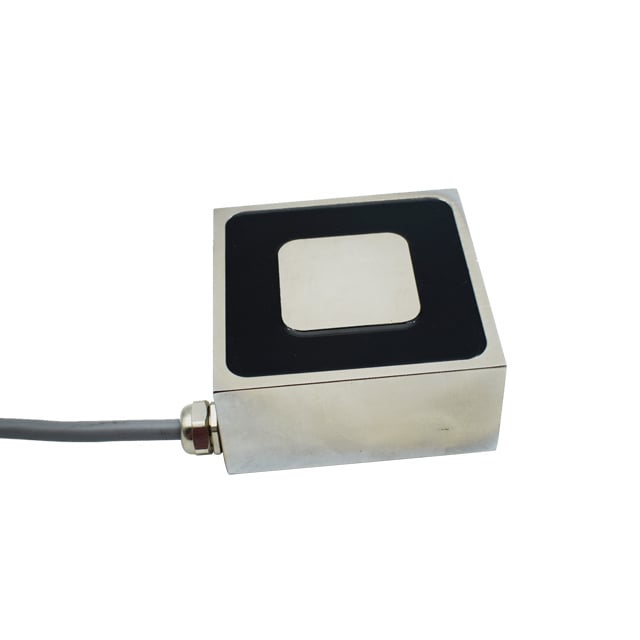
Machining operations such as milling, grinding, and surface finishing frequently rely on a dc electromagnet to hold ferromagnetic workpieces flat against a worktable or fixture plate. A dc electromagnet-based chuck eliminates the need for mechanical clamps that obstruct tool paths, allowing full five-axis access to the part surface. The dc electromagnet provides uniform holding force across the entire contact surface, reducing distortion and improving dimensional accuracy compared to point-contact mechanical clamps. This application is especially valuable for thin sheet parts that could flex under localized clamping pressure.
The dc electromagnet in machining fixtures must also provide a reliable holding force under the vibration and cutting forces generated during operation. Industrial-grade dc electromagnet designs incorporate laminated cores or solid steel housings that minimize eddy current losses and maintain holding force stability under load. Engineers specify a dc electromagnet by its holding force, operating voltage — typically 12 V or 24 V DC — and physical footprint to match the worktable dimensions and part geometry.
Beyond machining, the dc electromagnet finds wide application in assembly fixtures where components must be held in a precise spatial relationship during welding, bonding, or fastening operations. A dc electromagnet can secure a subassembly at exact coordinates while the joining process is completed, then release the finished part cleanly when the dc electromagnet is de-energized. This approach eliminates fixture complexity, reduces changeover time, and gives assembly engineers a flexible tooling platform that can be reconfigured quickly for different part families. The dc electromagnet thus becomes an enabler of agile manufacturing, supporting rapid product changeovers without heavy retooling investment.
Most industrial dc electromagnet devices designed for manufacturing applications operate at either 12 V or 24 V DC. These voltage levels align with standard industrial control system power supplies and automation controller outputs, making integration straightforward. Some heavy-duty dc electromagnet models rated for high holding forces may support both voltage options with different current draw profiles, allowing the same unit to be used across varied plant electrical infrastructures.
Holding force selection for a dc electromagnet depends on the maximum weight of the workpiece, any dynamic loads introduced by robot motion or conveyor acceleration, and a safety factor typically set between 2 and 3 times the static load. For a dc electromagnet used on a robot arm, engineers also consider the arm's rated payload and the contact surface condition of the workpiece, since surface roughness or paint can reduce effective holding force. Suppliers provide holding force specifications measured against flat, clean steel surfaces as a standardized baseline.
A dc electromagnet can be deployed in machining environments with coolant and metal chips if the unit is rated with an appropriate ingress protection level, such as IP65 or higher. The dc electromagnet housing must prevent moisture and fine ferrous particles from entering the coil assembly, which could cause shorts or accelerated wear. Selecting a dc electromagnet with a sealed or potted coil construction and a hardened pole face coating ensures reliable long-term operation in demanding coolant-rich machine tool environments.
 Hot News
2026-08-24
2026-08-17
2026-08-17
2026-08-10
2026-08-03
2026-07-30
Zhongshan Landa Technology: ISO9001 & UL-certified manufacturer of custom electromagnets, push-pull solenoids, and induction coils for automation, medical, auto & appliances. Trusted global partner since 2008.
3F, Building 4, No.8 North Industrial Avenue Xiaolan, Xiaolan Town, Zhongshan, Guangdong, China
Copyright © Zhongshan Landa Technology Co., Ltd All Rights Reserved Privacy Policy

 EN
EN