 ×
×

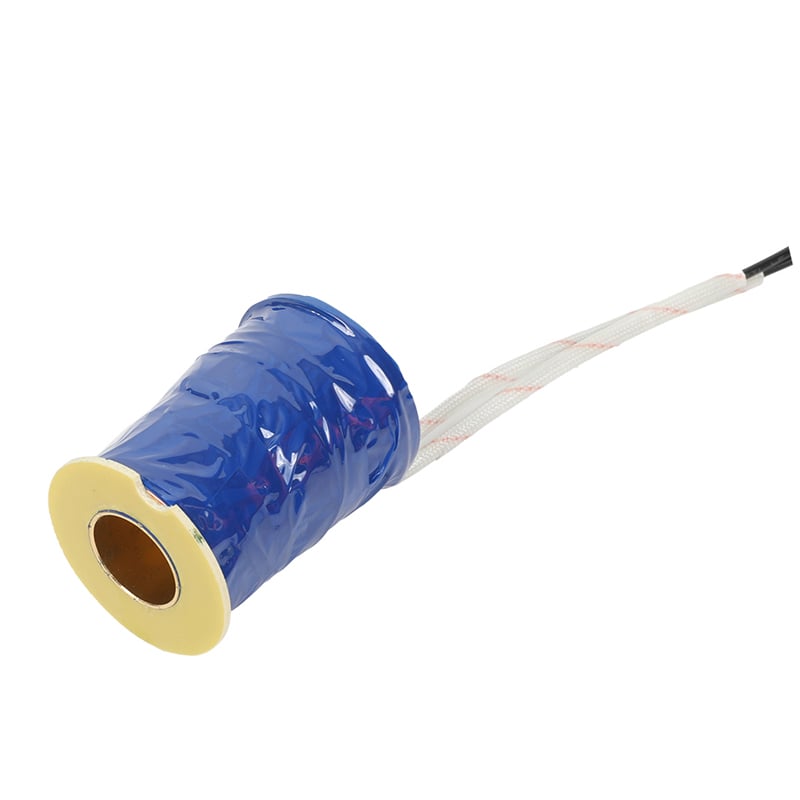
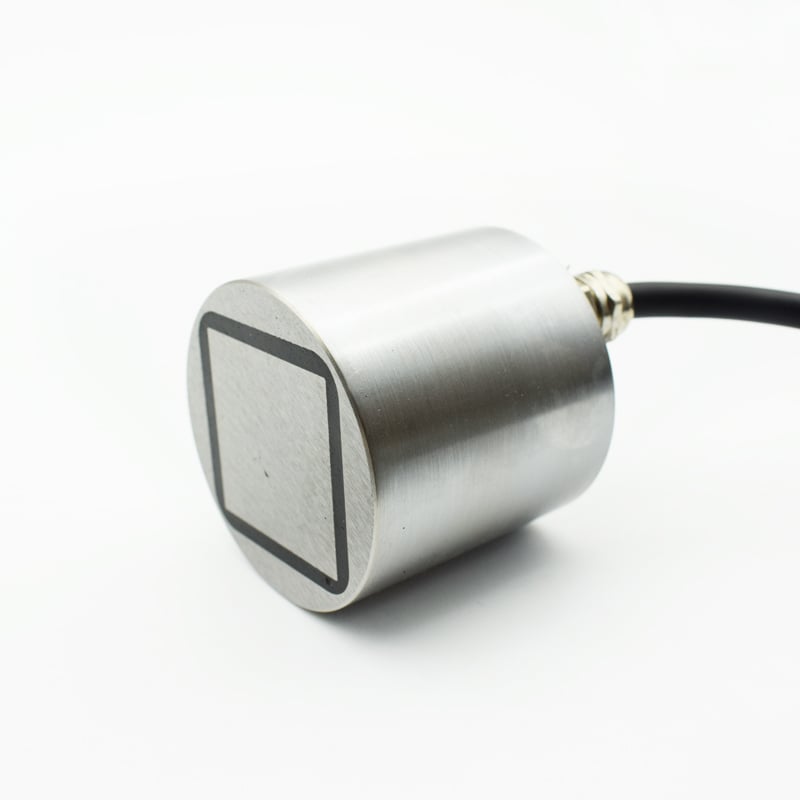
Sourcing custom induction coils from manufacturers requires a thorough understanding of technical specifications, production capabilities, and quality standards. Industrial buyers face critical decisions that directly impact system performance, operational efficiency, and long-term reliability. Custom induction coils serve as core components in heating systems, power conversion equipment, and electromagnetic applications across manufacturing, automotive, aerospace, and energy sectors. The evaluation process determines whether the purchased induction coils will meet demanding operational requirements or result in costly failures and production delays.
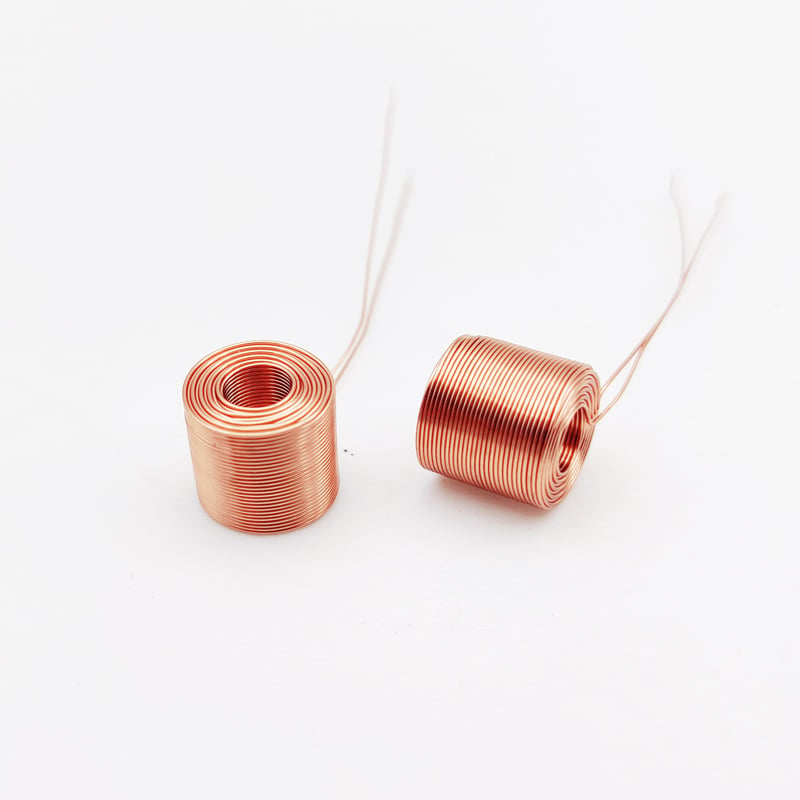
Evaluating manufacturers of custom induction coils involves examining material selection, winding techniques, thermal management capabilities, electrical characteristics, and production consistency. Buyers must assess whether manufacturers possess the technical expertise to deliver induction coils that match precise application requirements. This evaluation extends beyond basic specifications to include manufacturing processes, quality control systems, testing protocols, and after-sales support. Understanding what to evaluate when sourcing custom induction coils from manufacturers protects investments and ensures operational success.
The conductor material determines the electrical performance and efficiency of induction coils. High-purity copper remains the standard choice for custom induction coils due to its superior electrical conductivity and thermal properties. Manufacturers should specify copper grades meeting international standards, typically 99.9% purity or higher for demanding applications. The conductivity rating directly affects power losses, heat generation, and energy efficiency in induction coils. Buyers must verify that manufacturers source certified copper stock and maintain traceability documentation. Low-quality copper introduces resistance variations that compromise the performance of induction coils and reduce system efficiency.
Insulation systems protect induction coils from electrical breakdown and enable safe high-temperature operation. Polyimide films, fiberglass wraps, and ceramic coatings serve as common insulation materials for custom induction coils depending on operating temperature ranges. The thermal class rating indicates maximum sustained operating temperatures without insulation degradation. Manufacturers of quality induction coils specify insulation materials with appropriate thermal ratings, dielectric strength, and chemical resistance for the intended application environment. Inadequate insulation leads to premature failure of induction coils through dielectric breakdown or thermal degradation. Evaluation should confirm that insulation systems match or exceed the thermal and electrical stress levels expected in operation.
The electromagnetic characteristics of induction coils depend on precise turn counts and controlled winding geometry. Custom induction coils require exact numbers of turns arranged in specific layer configurations to achieve target inductance values and frequency responses. Manufacturing tolerances for turn count typically range from ±1% to ±3% depending on application criticality. Manufacturers should demonstrate consistent winding processes with documented quality control procedures for counting and verifying turns in induction coils. Automated winding equipment generally provides better repeatability than manual processes for complex induction coils. The layer arrangement affects capacitance, self-resonance, and voltage distribution within induction coils, making geometric precision essential for high-frequency applications.
Custom induction coils must fit within allocated spaces and integrate with existing mounting systems. Dimensional specifications include inner diameter, outer diameter, overall length, and terminal positioning for induction coils. Manufacturing tolerances should align with application requirements, typically ranging from ±0.5mm for standard applications to ±0.1mm for precision assemblies. Buyers must provide detailed mechanical drawings specifying all critical dimensions and tolerance bands for custom induction coils. Manufacturers should confirm their capability to hold specified tolerances consistently across production runs. Terminal types, lead lengths, and connector configurations affect how induction coils integrate into larger systems and require clear specification during the sourcing process.
The primary electrical specification for induction coils is inductance value measured at defined test frequencies. Custom induction coils should meet target inductance values within specified tolerance ranges, commonly ±5% to ±10% depending on application sensitivity. Manufacturers must test induction coils using calibrated LCR meters or impedance analyzers at frequencies matching operational conditions. The frequency response characteristics determine how induction coils perform across the intended operating bandwidth. High-frequency applications require manufacturers to provide impedance curves and quality factor measurements for induction coils. Self-resonant frequency limits the usable frequency range of induction coils and must exceed the maximum operating frequency with adequate margin.
The continuous and peak current ratings define the safe operating envelope for induction coils. Manufacturers should specify maximum continuous current based on thermal rise testing and provide derating curves for elevated ambient temperatures. Custom induction coils operating at high currents require thermal analysis to ensure that conductor heating remains within acceptable limits. Air-cooled induction coils dissipate heat through natural convection and radiation, limiting current capacity compared to liquid-cooled designs. Buyers must communicate expected current levels, duty cycles, and ambient conditions to manufacturers of induction coils. Thermal testing should validate that induction coils maintain stable performance without exceeding maximum rated temperatures during sustained operation.
The quality factor measures the efficiency of induction coils by comparing reactive energy storage to resistive losses. Higher quality factors indicate lower losses and better performance in resonant circuits and filtering applications using induction coils. Manufacturers should provide quality factor measurements at relevant frequencies for custom induction coils. Resistive losses in induction coils include DC resistance of conductors and AC losses from skin effect and proximity effect at higher frequencies. Buyers evaluating induction coils for power applications should request efficiency data and loss calculations. Low-quality induction coils exhibit excessive resistive losses that reduce system efficiency and generate unwanted heat.
The manufacturing equipment and process controls directly influence the consistency and quality of custom induction coils. Automated winding machines provide superior repeatability compared to manual winding for complex induction coils. Computer-controlled winding systems ensure consistent tension, precise layer formation, and accurate turn counts in production induction coils. Manufacturers should demonstrate in-process monitoring systems that detect defects during winding and assembly of induction coils. Quality control checkpoints throughout production catch dimensional deviations, insulation defects, and electrical anomalies in induction coils before final testing. Buyers should inquire about manufacturing capacity, lead times, and batch traceability systems for induction coils.
Comprehensive testing validates that custom induction coils meet all specified requirements before shipment. Standard test protocols for induction coils include inductance measurement, DC resistance verification, insulation resistance testing, and hi-pot dielectric strength testing. Manufacturers of quality induction coils provide detailed test reports documenting measured values for each unit or production lot. Inspection records should include dimensional verification data, visual inspection results, and any deviations from specifications for induction coils. Buyers requiring critical applications should specify acceptance criteria and request witness testing or third-party certification for induction coils. The documentation package for custom induction coils should include material certifications, manufacturing traveler records, and conformance statements.
Experienced manufacturers provide design assistance to optimize custom induction coils for specific applications. Application engineering support helps buyers determine appropriate conductor sizes, turn counts, and core configurations for induction coils. Manufacturers with strong technical capabilities can simulate electromagnetic performance and predict thermal behavior of proposed induction coils. Design iterations may be necessary to refine specifications and ensure that custom induction coils achieve desired performance targets. Buyers benefit from manufacturers who understand the system-level requirements and can recommend design improvements for induction coils. Technical collaboration during the sourcing process reduces development risk and accelerates time to production for custom induction coils.
Lead times for custom induction coils typically range from four to twelve weeks depending on design complexity, quantity, and manufacturer capacity. Initial prototype samples of induction coils may require six to eight weeks for design validation and testing. Production quantities of standard custom induction coils often ship within four to six weeks, while complex designs with exotic materials or tight tolerances may extend to ten to twelve weeks. Buyers should communicate delivery requirements early and confirm whether manufacturers of induction coils maintain inventory of common materials and components to reduce lead times.
Quality verification for custom induction coils begins with prototype sampling and comprehensive first-article inspection. Buyers should request multiple prototype samples of induction coils for internal testing and validation in actual application conditions. Dimensional inspection, electrical testing, and thermal performance evaluation confirm that prototype induction coils meet specifications. First-article inspection reports document all measured parameters and establish baseline acceptance criteria for production induction coils. Some buyers conduct manufacturer audits to evaluate production facilities, quality systems, and testing equipment used for induction coils. Ongoing quality monitoring includes periodic sampling and testing of production lots to ensure continued compliance.
Comprehensive technical documentation for custom induction coils includes detailed drawings with dimensions and tolerances, material certifications for copper and insulation components, and complete electrical specifications with measured values. Test reports should document inductance, resistance, quality factor, and insulation resistance for each production lot of induction coils. Process documentation describes winding procedures, quality control checkpoints, and inspection criteria applied during manufacturing of induction coils. Manufacturers should provide assembly instructions, handling guidelines, and storage recommendations for custom induction coils. Applications requiring regulatory compliance may need additional certifications such as RoHS compliance statements or conflict minerals declarations for induction coils.
 Hot News
2026-08-24
2026-08-17
2026-08-17
2026-08-10
2026-08-03
2026-07-30
Zhongshan Landa Technology: ISO9001 & UL-certified manufacturer of custom electromagnets, push-pull solenoids, and induction coils for automation, medical, auto & appliances. Trusted global partner since 2008.
3F, Building 4, No.8 North Industrial Avenue Xiaolan, Xiaolan Town, Zhongshan, Guangdong, China
Copyright © Zhongshan Landa Technology Co., Ltd All Rights Reserved Privacy Policy

 EN
EN