 ×
×

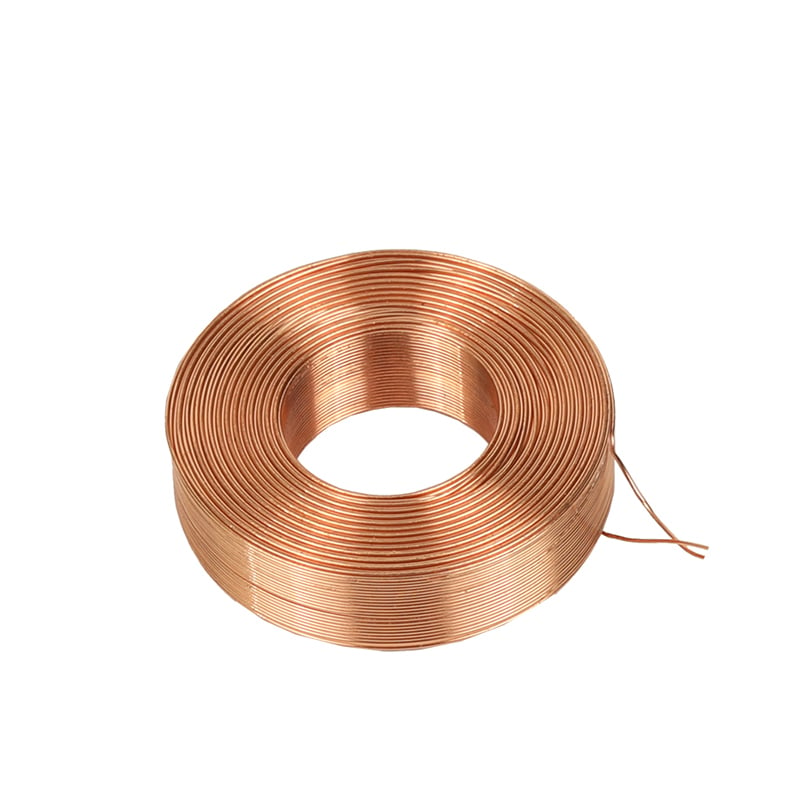
The magnetic coil has long been recognized as a foundational component in solenoid valves and relay switches, yet its versatility extends far beyond these conventional domains. Modern industries increasingly depend on magnetic coil technology to enable precision control, signal detection, and energy conversion across diverse engineering challenges. Understanding where magnetic coils are deployed outside traditional applications reveals how this electromagnetic component drives innovation in medical devices, aerospace instrumentation, automotive sensing systems, and advanced manufacturing processes.
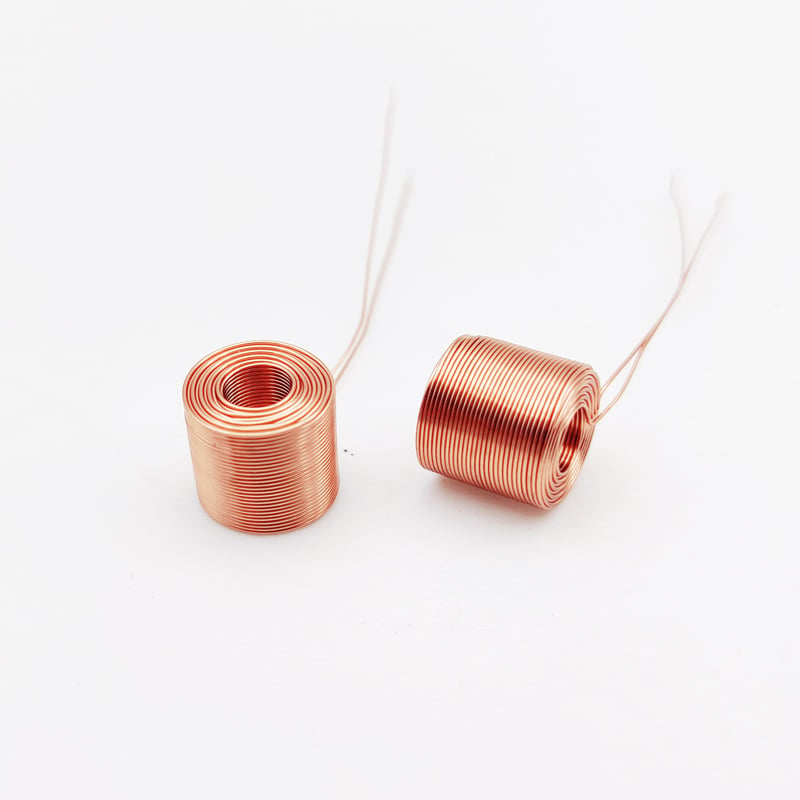
The operational principle of a magnetic coil remains consistent regardless of application context: current flowing through wound wire generates a controlled magnetic field that interacts with surrounding materials or circuits. This fundamental capability enables magnetic coils to perform specialized functions in environments where traditional solenoid and relay architectures cannot meet performance requirements. From microscale medical implants to large-scale industrial machinery, magnetic coil implementations demonstrate adaptability to unique operational demands while maintaining core electromagnetic characteristics.
Modern pacemakers and implantable cardioverter defibrillators utilize miniature magnetic coils as essential components in wireless power transfer and telemetry communication systems. The magnetic coil in these devices enables transcutaneous energy delivery without requiring battery replacement surgery, significantly extending device lifespan while reducing patient risk. Medical-grade magnetic coils in cardiac devices must meet stringent biocompatibility standards and operate reliably within electromagnetic interference conditions present in hospital environments.
The magnetic coil configuration in implantable devices typically features custom winding patterns optimized for specific resonance frequencies that facilitate efficient energy coupling through tissue layers. Engineers design these magnetic coils with ultra-thin wire gauges and biocompatible encapsulation materials that prevent corrosion while maintaining electromagnetic performance over decades of continuous operation. Magnetic coil performance directly impacts device longevity and patient quality of life in cardiac rhythm management applications.
Clinical MRI scanners depend on precisely engineered gradient magnetic coils to create controlled spatial variations in the main magnetic field, enabling three-dimensional tissue imaging with submillimeter resolution. These specialized magnetic coils generate rapid field changes measured in millitesla per meter, requiring sophisticated thermal management and structural reinforcement to handle mechanical stress from Lorentz forces during imaging sequences.
Gradient magnetic coil design involves complex mathematical optimization to achieve linear field gradients while minimizing acoustic noise and eddy current formation in surrounding conductive structures. Advanced MRI systems incorporate shielded magnetic coil configurations where secondary coil windings cancel stray fields beyond the imaging volume, preventing interference with adjacent equipment. The magnetic coil assembly in clinical scanners represents one of the most demanding electromagnetic engineering challenges in medical technology.
Spacecraft attitude control systems frequently employ magnetic coils configured as torque rods that interact with Earth's magnetic field to adjust satellite orientation without consuming propellant. These magnetic coils operate continuously throughout mission lifespans that may exceed fifteen years, requiring radiation-hardened construction and extreme temperature tolerance ranging from cryogenic conditions in shadow to elevated temperatures during solar exposure.
Aerospace magnetic coils typically utilize high-purity copper or aluminum conductors with specialized insulation materials resistant to atomic oxygen degradation and radiation-induced embrittlement. The magnetic coil design must account for mass constraints while delivering sufficient magnetic moment to overcome environmental torques from solar pressure and gravity gradients. Magnetic coil performance in space applications directly influences satellite operational capabilities and mission success probability.
Aircraft landing gear assemblies incorporate magnetic coils within inductive proximity sensors that detect gear position and locking mechanism engagement with extremely high reliability requirements. These magnetic coil sensors must function correctly across wide temperature ranges, withstand severe vibration and shock loads during landing events, and maintain accuracy despite exposure to hydraulic fluids and environmental contaminants.
The magnetic coil configuration in aerospace proximity sensors uses robust winding techniques and hermetic sealing to ensure operational integrity under harsh conditions. Redundant magnetic coil channels provide fail-safe operation where sensor malfunction could compromise flight safety. Military and commercial aviation standards mandate extensive qualification testing of magnetic coil sensors to verify performance margins under extreme environmental stress.
Advanced internal combustion engines implement magnetic coils in variable valve timing systems that optimize intake and exhaust valve operation across engine speed ranges. These magnetic coil actuators enable precise control of valve lift and duration, improving fuel efficiency while reducing emissions compared to fixed cam timing architectures. Automotive magnetic coils must withstand continuous thermal cycling, vibration exposure, and contamination from engine oil vapors throughout vehicle service life.
The magnetic coil design in valve timing actuators balances electromagnetic force production against power consumption constraints and thermal dissipation requirements. Engineers optimize magnetic coil geometry to achieve rapid response times measured in milliseconds while maintaining compact packaging compatible with crowded engine compartment layouts. Magnetic coil reliability directly impacts engine performance consistency and long-term durability in demanding automotive applications.
Modern vehicle anti-lock braking systems depend on magnetic coils functioning as inductive sensors that detect wheel rotation speed by sensing passing gear teeth or magnetic encoder rings. The magnetic coil in these sensors generates electrical signals proportional to wheel velocity, providing critical input data for electronic brake control modules that prevent wheel lockup during emergency stopping events.
Automotive wheel speed magnetic coils must operate reliably despite exposure to road salt, moisture, temperature extremes, and magnetic field interference from nearby electrical components. The magnetic coil winding specifications and core material selection determine sensor sensitivity and signal-to-noise ratio, directly affecting anti-lock braking system performance. Magnetic coil sensor accuracy influences vehicle safety systems including traction control and electronic stability management functions.
Manufacturing quality assurance processes utilize magnetic coils in eddy current inspection systems that detect surface cracks, subsurface flaws, and material property variations without damaging components. The magnetic coil in these systems generates alternating magnetic fields that induce eddy currents in conductive test specimens, with defects causing measurable changes in coil impedance that reveal flaw location and characteristics.
Industrial eddy current magnetic coils are engineered with specific frequency response characteristics matched to target material conductivity and defect detection requirements. Probe magnetic coils may be configured as single-element, differential, or array geometries depending on inspection application needs. Magnetic coil performance in non-destructive testing directly impacts product quality verification capabilities and manufacturing process control effectiveness.
Precision position measurement systems across automated manufacturing employ magnetic coils configured as linear variable differential transformers that provide accurate displacement feedback without mechanical contact. These magnetic coil assemblies consist of primary excitation coils and secondary sensing coils wound around a common cylindrical form, with a magnetic core moving axially to modulate coupling between windings.
The magnetic coil architecture in LVDT sensors enables resolution better than one micrometer with exceptional linearity over travel ranges from millimeters to meters. Industrial magnetic coil sensors offer infinite mechanical life since no friction occurs during operation, making them ideal for continuous position monitoring in hydraulic cylinders, machine tool slideways, and robotic joint encoders. Magnetic coil-based position sensing provides superior reliability compared to potentiometric or optical alternatives in contaminated industrial environments.
Magnetic coils enable wireless power transfer in medical implants, eliminating the need for battery replacement surgeries that carry infection risks and patient discomfort. The magnetic coil approach extends device functional life beyond typical battery limitations while reducing long-term healthcare costs. Magnetic coil systems also allow for transcutaneous device programming and data telemetry without compromising the hermetic seal protecting internal electronics from body fluids.
Aerospace magnetic coils require radiation-hardened insulation materials, high-purity conductors resistant to atomic oxygen degradation, and construction techniques that maintain electromagnetic performance across extreme temperature ranges from cryogenic to elevated conditions. The magnetic coil design must also account for mass optimization and vibration resistance specific to launch loads and orbital mechanical environments. Commercial magnetic coils typically do not face these specialized environmental challenges and material requirements.
Properly engineered automotive magnetic coils withstand continuous vibration exposure through secure winding retention, robust termination methods, and encapsulation materials that prevent wire movement and insulation breakdown. The magnetic coil construction uses specialized potting compounds and mechanical strain relief features that maintain electrical and mechanical integrity throughout vehicle service life. Automotive qualification testing verifies magnetic coil performance under accelerated vibration profiles exceeding typical road conditions to ensure long-term reliability.
 Hot News
2026-08-24
2026-08-17
2026-08-17
2026-08-10
2026-08-03
2026-07-30
Zhongshan Landa Technology: ISO9001 & UL-certified manufacturer of custom electromagnets, push-pull solenoids, and induction coils for automation, medical, auto & appliances. Trusted global partner since 2008.
3F, Building 4, No.8 North Industrial Avenue Xiaolan, Xiaolan Town, Zhongshan, Guangdong, China
Copyright © Zhongshan Landa Technology Co., Ltd All Rights Reserved Privacy Policy

 EN
EN