plastic bobbin coil
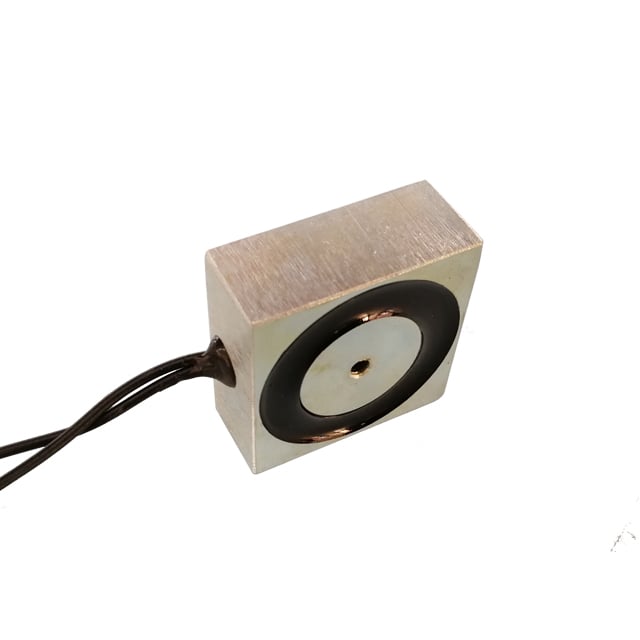
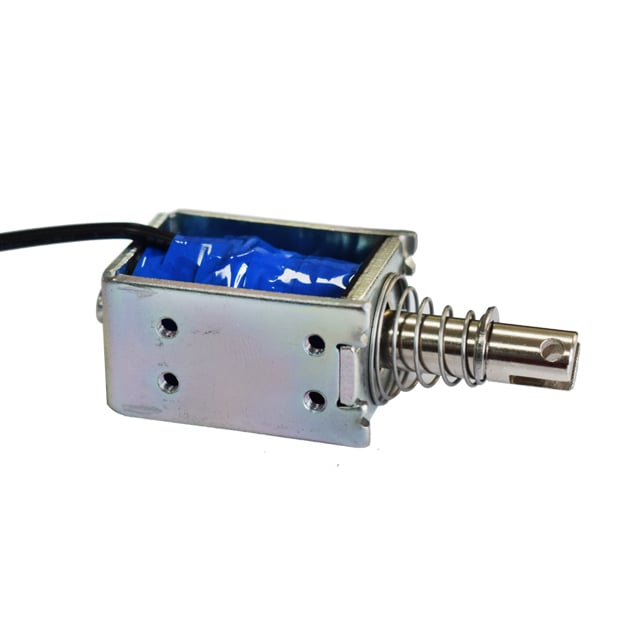
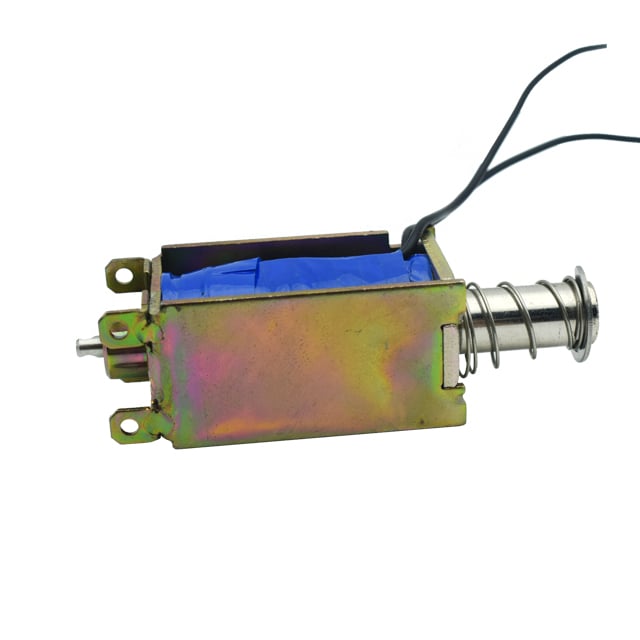
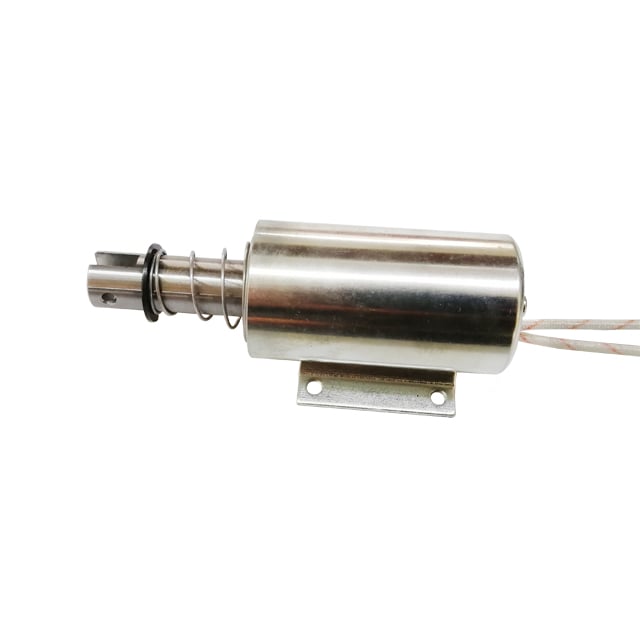
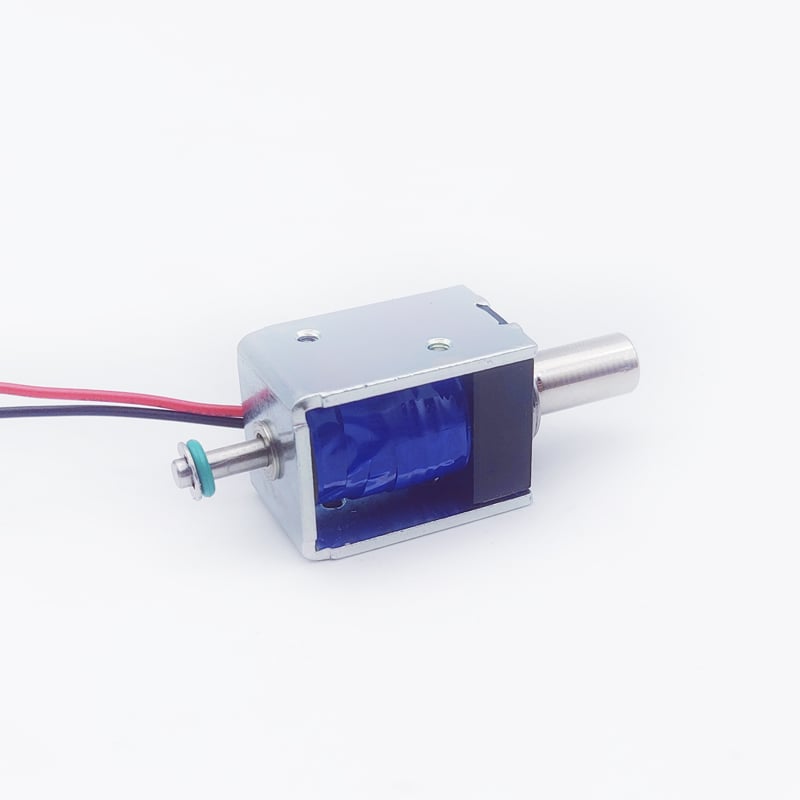
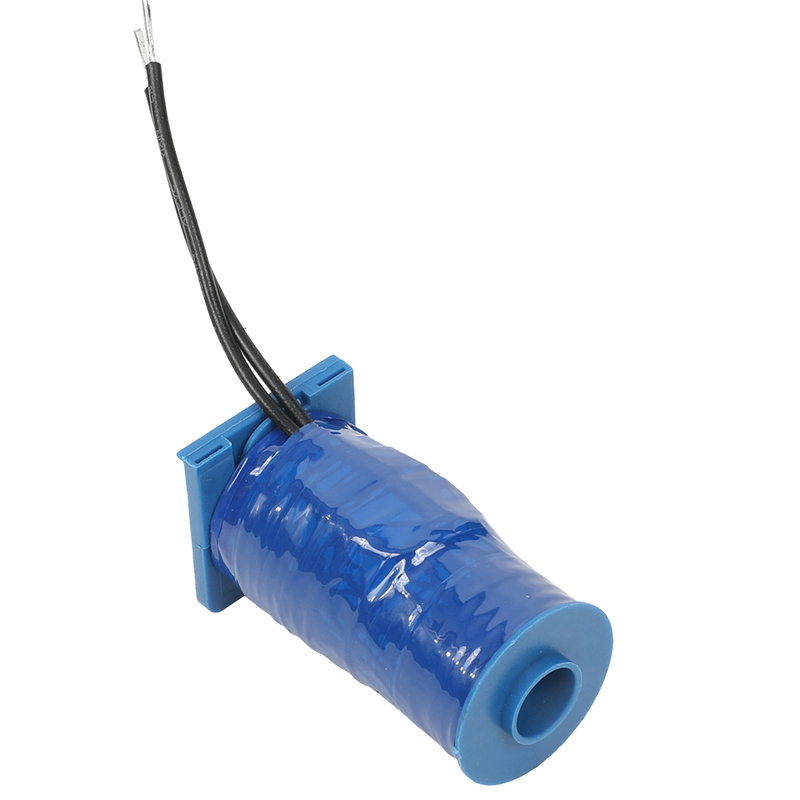
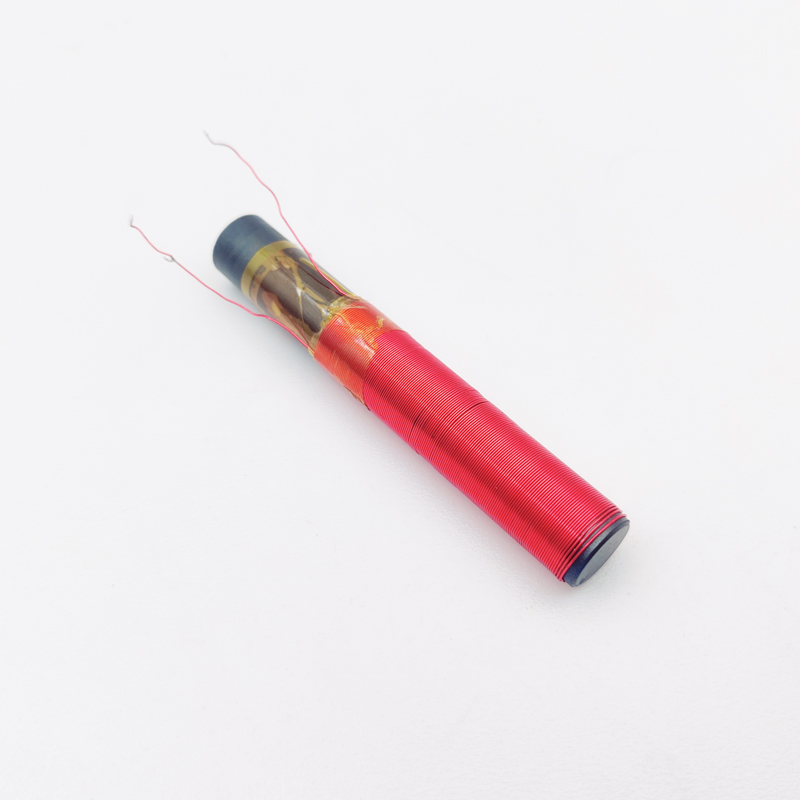
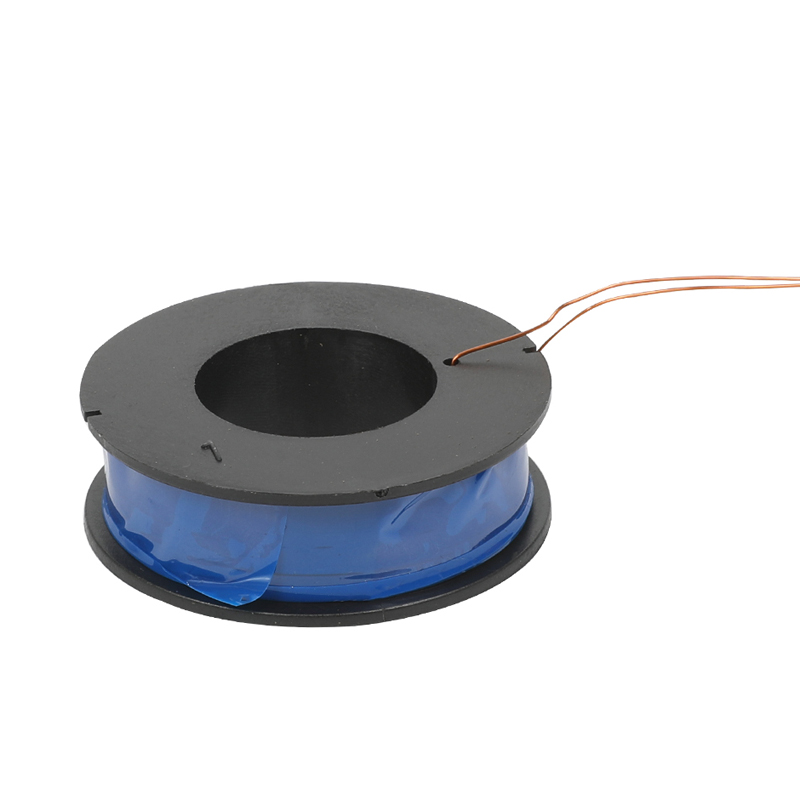
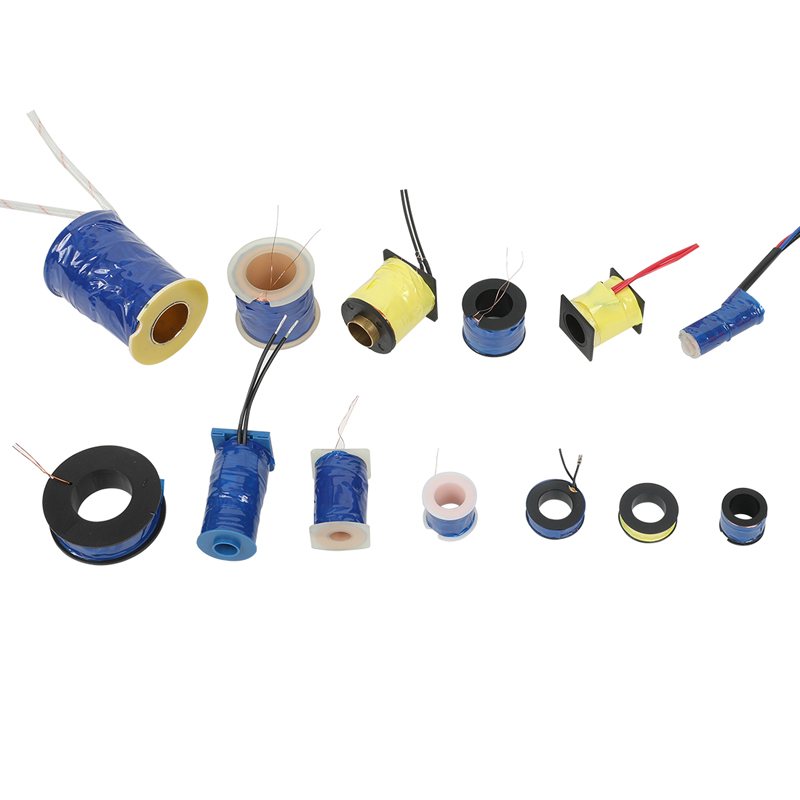
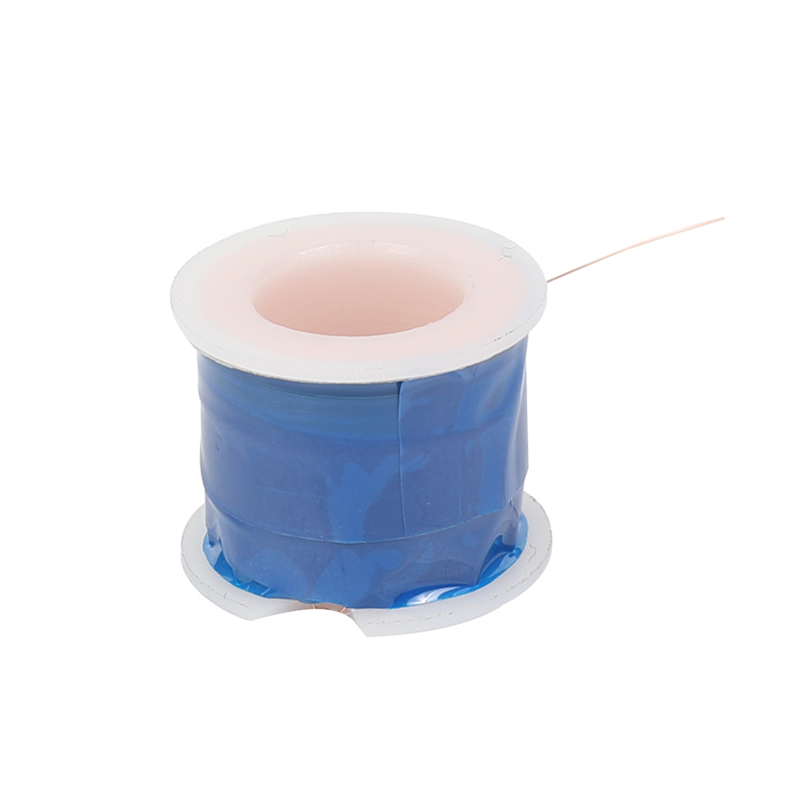
A plastic bobbin coil is an essential electromagnetic component consisting of insulated copper or aluminum wire wound around a specially designed plastic spool or bobbin. This component serves as a critical element in various electronic and electrical devices, functioning primarily to create magnetic fields, store energy, filter signals, and transform voltage levels. The plastic bobbin coil combines the conductive properties of wound wire with the structural support and insulation provided by engineered plastic materials. The main functions include inductance generation for power supplies, signal filtering in communication devices, electromagnetic actuation in relays and solenoids, and voltage transformation in compact electronic circuits. Technologically, these coils feature precise wire winding patterns, customizable bobbin shapes for specific mounting requirements, and thermal-resistant plastic materials that withstand operational temperatures. The plastic bobbin structure offers excellent electrical insulation properties, dimensional stability, and protection against environmental factors. Modern manufacturing techniques enable automated winding processes that ensure consistent performance characteristics. Applications span across consumer electronics, automotive systems, telecommunications equipment, industrial automation, medical devices, and power conversion systems. The plastic bobbin coil design allows for miniaturization without compromising performance, making it ideal for space-constrained applications. Different bobbin geometries accommodate various winding configurations, including single-layer, multi-layer, and sectioned designs. The choice of plastic material, typically thermoplastics like nylon or polyphenylene sulfide, determines temperature ratings, mechanical strength, and chemical resistance properties essential for specific operating environments.
 ×
×


 EN
EN