 ×
×

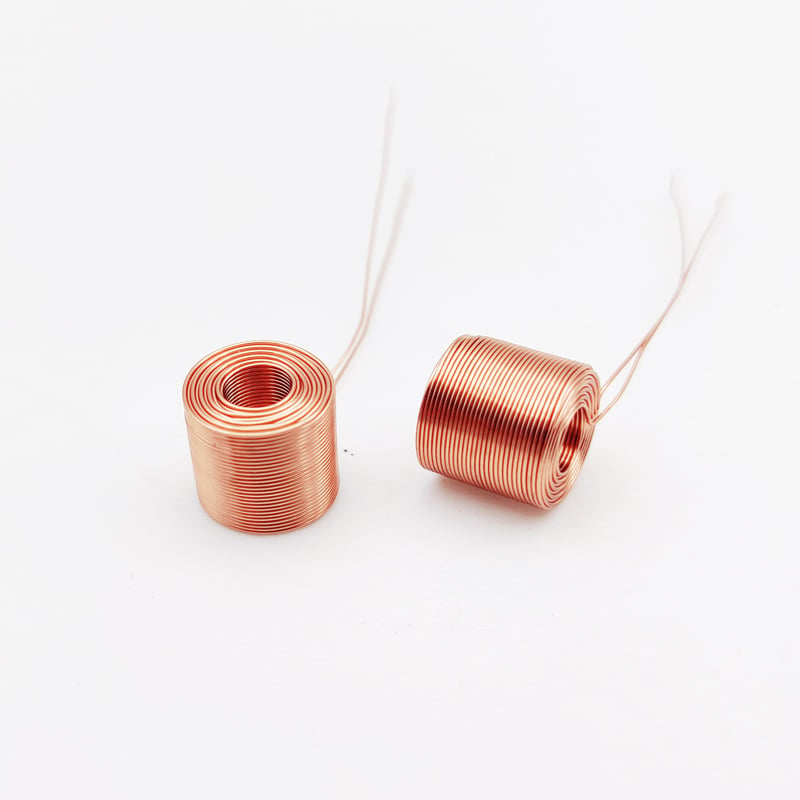
Selecting the right bobbin coil materials is fundamental to achieving optimal performance in electromagnetic winding applications. The bobbin coil serves as the structural foundation for wire windings in transformers, inductors, solenoids, and other electromagnetic devices. Material choice directly impacts thermal management, electrical insulation, mechanical stability, and long-term reliability. Engineers must evaluate multiple factors including operating temperature, voltage requirements, mechanical stress, environmental conditions, and manufacturing constraints when specifying bobbin coil materials for different winding applications.
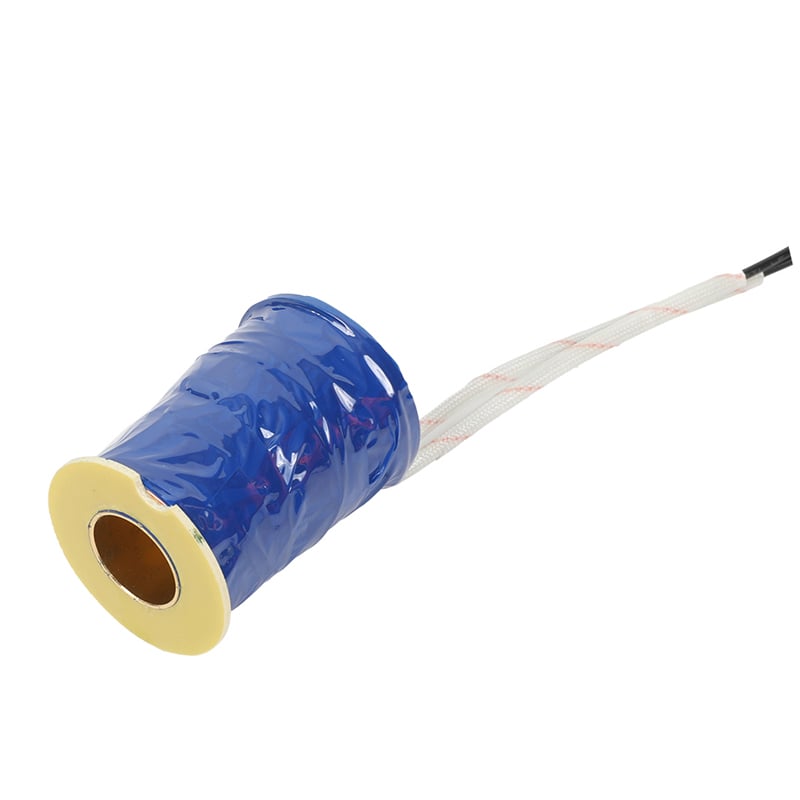
The bobbin coil material selection process requires understanding how different polymers and composite materials respond to electrical, thermal, and mechanical demands specific to each winding application. Power electronics applications demand bobbin coil materials with high temperature ratings and dimensional stability, while signal processing applications prioritize low dielectric loss and precise tolerances. This systematic approach to bobbin coil material selection ensures that the chosen material supports both electrical performance requirements and manufacturing feasibility throughout the product lifecycle.
Thermal performance represents a critical selection criterion for bobbin coil materials across all winding applications. The bobbin coil must withstand continuous operating temperatures without degradation, dimensional change, or loss of mechanical properties. Standard bobbin coil materials include thermoplastics rated from 105°C to 220°C continuous operation, with peak temperature tolerance extending 20-40°C higher for short durations. High-temperature bobbin coil applications in automotive, aerospace, and industrial power systems typically require materials like polyetherimide, polyphenylene sulfide, or liquid crystal polymer that maintain structural integrity above 180°C. The bobbin coil thermal rating must exceed the maximum winding temperature by an adequate safety margin, typically 20-30°C, to account for localized hot spots and thermal aging effects over the device operational life.
Electrical insulation capability defines the voltage withstand capacity of the bobbin coil structure separating windings from magnetic cores and adjacent conductor layers. The bobbin coil dielectric strength must exceed the maximum working voltage with sufficient margin to prevent breakdown under transient overvoltage conditions, moisture exposure, and material aging. Common bobbin coil materials provide dielectric strength ranging from 15 kV/mm to 30 kV/mm depending on polymer type, processing quality, and wall thickness. Applications involving high-voltage bobbin coil designs require materials with high volume resistivity, low moisture absorption, and excellent comparative tracking index to prevent surface discharge paths. The bobbin coil insulation system must comply with relevant safety standards including UL recognition, IEC insulation coordination requirements, and application-specific certification demands for medical, industrial, or consumer electronics markets.
Mechanical properties determine how the bobbin coil structure withstands winding tension, handling stress, insertion forces, and operational vibration without cracking, deforming, or failing. The bobbin coil material must provide adequate tensile strength, flexural modulus, and impact resistance for the specific winding method and assembly process employed in manufacturing. Automated winding operations applying high wire tension demand bobbin coil materials with superior tensile strength and minimal creep deformation under sustained load. The bobbin coil dimensional stability across temperature extremes affects winding precision, air gap consistency in magnetic circuits, and long-term reliability of the electromagnetic device. Glass-filled and mineral-filled bobbin coil compounds offer enhanced mechanical performance and reduced thermal expansion compared to unfilled polymers, making them preferred choices for precision winding applications requiring tight tolerance control.
Power frequency transformers and switching power supplies impose distinct requirements on bobbin coil material selection based on operating frequency, power density, and thermal management approaches. Low-frequency bobbin coil applications at 50-60 Hz typically operate at moderate current densities with conventional thermal dissipation, allowing use of cost-effective materials like nylon, PBT, or standard PPS with thermal ratings around 130-155°C. High-frequency switching applications above 100 kHz generate concentrated losses requiring bobbin coil materials with enhanced thermal conductivity and higher temperature ratings to manage localized heating effects. The bobbin coil design for switching converters often incorporates thermally conductive fillers or engineered polymers that provide 2-5 times higher thermal conductivity than standard grades, enabling more effective heat extraction from winding hot spots to magnetic core structures or external heat sinks.
Signal processing and communication circuits demand bobbin coil materials optimized for low dielectric loss, stable electrical properties across frequency and temperature, and minimal outgassing in sealed environments. The bobbin coil dielectric constant and loss tangent directly influence parasitic capacitance, quality factor, and frequency stability in RF inductors, resonant circuits, and filtering applications. High-frequency bobbin coil designs typically specify materials with dielectric constants below 3.5 and loss tangents under 0.005 at operating frequencies to minimize signal degradation and insertion loss. Precision bobbin coil applications in instrumentation and measurement systems require materials with tight tolerance control, low moisture sensitivity, and excellent long-term dimensional stability to maintain calibrated electrical characteristics throughout environmental exposure and aging cycles.
Harsh environment applications impose additional material selection criteria beyond standard electrical and thermal requirements for bobbin coil structures. Automotive bobbin coil applications must withstand temperature cycling from -40°C to 155°C or higher, exposure to fluids including oils, fuels, and coolants, mechanical vibration at multiple frequency bands, and extended operational life exceeding 15 years. The bobbin coil material chemical resistance becomes critical in industrial control systems, pump drives, and process automation equipment where exposure to cleaning agents, hydraulic fluids, or corrosive atmospheres may occur during normal operation or maintenance activities. Flame retardant properties represent mandatory requirements for bobbin coil materials in many industrial and building system applications, with UL 94 V-0 or V-1 ratings specified to comply with fire safety regulations and equipment certification standards.
The systematic bobbin coil material selection process begins with comprehensive definition of functional requirements derived from electrical design specifications, thermal analysis, mechanical loading conditions, and environmental exposure profiles. Engineers must quantify the bobbin coil operating temperature range including both continuous and peak transient values, maximum working voltage and required insulation clearances, mechanical stress from winding tension and assembly processes, and any special environmental resistance needs for the target application. The bobbin coil cost targets and production volume expectations influence material selection by determining whether standard commercial grades provide adequate performance or whether custom-formulated compounds justify their higher material costs through enhanced properties enabling design optimization or extended service life.
Each bobbin coil material category presents distinct advantages and limitations requiring careful evaluation against application priorities and design constraints. Nylon bobbin coil materials offer excellent mechanical properties, good dimensional stability, and competitive pricing, but exhibit higher moisture absorption affecting electrical properties and dimensional control in humid environments. PBT bobbin coil compounds provide superior dimensional stability, lower moisture sensitivity, and good electrical properties at moderate cost, making them popular choices for general-purpose winding applications. PPS bobbin coil materials deliver outstanding chemical resistance, high temperature capability to 200°C, and excellent dimensional stability, but command premium pricing justified primarily in demanding automotive and industrial applications. LCP bobbin coil materials offer the highest performance combination of temperature resistance, dimensional precision, and low moisture absorption, but limited availability and high cost restrict their use to specialized applications where conventional materials cannot meet performance requirements.
Material selection decisions for critical bobbin coil applications require validation through prototype testing and qualification programs that verify performance under actual operating conditions and accelerated life stress. The bobbin coil prototype evaluation should include dimensional verification, electrical testing at operating voltage and temperature, thermal cycling to assess stability, and mechanical testing simulating assembly and operational loads. Accelerated aging tests subject bobbin coil samples to elevated temperature exposure, humidity conditioning, thermal shock cycling, and operational electrical stress to predict long-term reliability and identify potential failure modes before committing to production tooling and volume manufacturing. The bobbin coil material qualification process generates documented evidence of performance capability supporting design validation, customer approval, and regulatory compliance requirements for the target market and application environment.
The most important property depends on the specific application, but thermal performance typically ranks highest for power applications where the bobbin coil must withstand continuous operating temperatures without degradation. For high-voltage applications, dielectric strength and insulation resistance become paramount. The bobbin coil material must meet the minimum requirements for all critical properties including thermal rating, electrical insulation, and mechanical strength, with selection optimized based on which property presents the tightest constraint for the specific winding application.
Operating frequency significantly impacts bobbin coil material selection through its influence on dielectric losses, thermal management, and electromagnetic interference considerations. High-frequency bobbin coil applications above 100 kHz require materials with low dielectric loss tangent to minimize parasitic heating and signal degradation. The bobbin coil thermal management becomes more challenging at higher frequencies due to concentrated core losses and skin effect in windings, often necessitating materials with enhanced thermal conductivity or higher temperature ratings compared to low-frequency bobbin coil designs.
While some versatile bobbin coil materials like PBT and standard PPS grades serve multiple application types, optimal material selection typically varies based on specific requirements of each winding application. A general-purpose bobbin coil material may function adequately across low to moderate stress applications, but specialized requirements for high temperature, chemical resistance, high voltage, or precision tolerances often demand application-specific material selection. The bobbin coil material standardization across product families can provide inventory and tooling benefits, but engineers should verify that a common material meets the most demanding requirements across all intended applications rather than compromising performance to achieve standardization.
 Hot News
2026-10-15
2026-10-13
2026-10-08
2026-10-06
2026-10-01
2026-09-21
Zhongshan Landa Technology: ISO9001 & UL-certified manufacturer of custom electromagnets, push-pull solenoids, and induction coils for automation, medical, auto & appliances. Trusted global partner since 2008.
3F, Building 4, No.8 North Industrial Avenue Xiaolan, Xiaolan Town, Zhongshan, Guangdong, China
Copyright © Zhongshan Landa Technology Co., Ltd All Rights Reserved Privacy Policy

 EN
EN