 ×
×

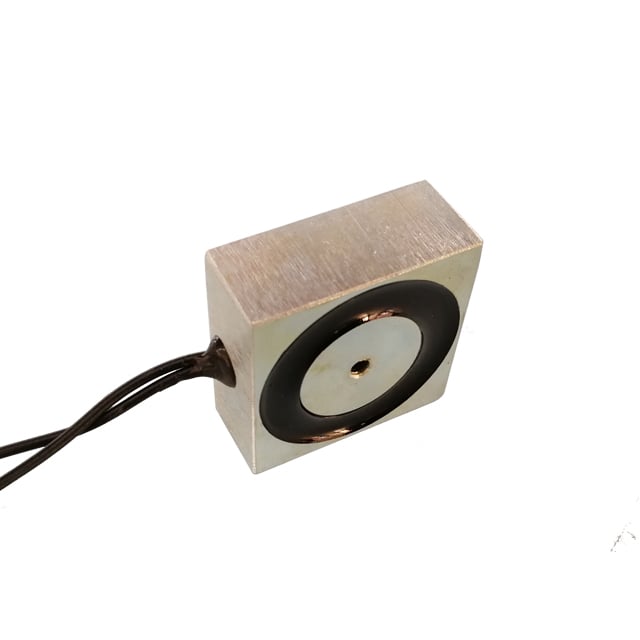
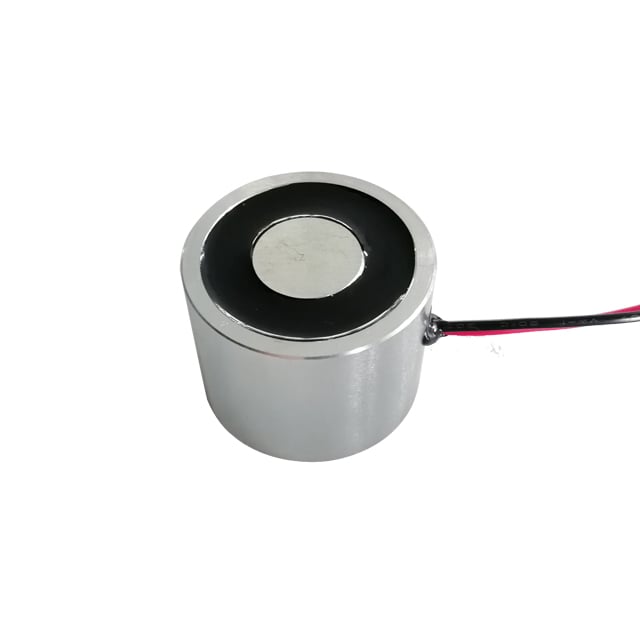
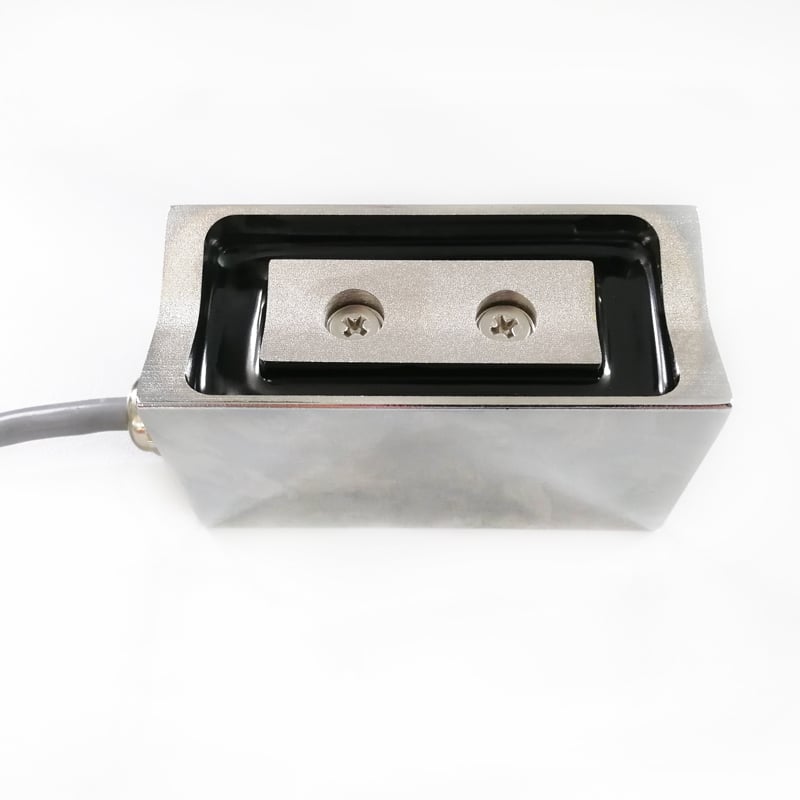
The electromagnet 12v has become a cornerstone component across diverse industrial and commercial applications due to its optimal balance of power consumption, magnetic force output, and compatibility with standard DC power systems. Understanding which applications benefit most from an electromagnet 12v requires examining the specific operational requirements, environmental constraints, and performance expectations of each use case. This article explores the most suitable applications where an electromagnet 12v delivers maximum value and reliability.
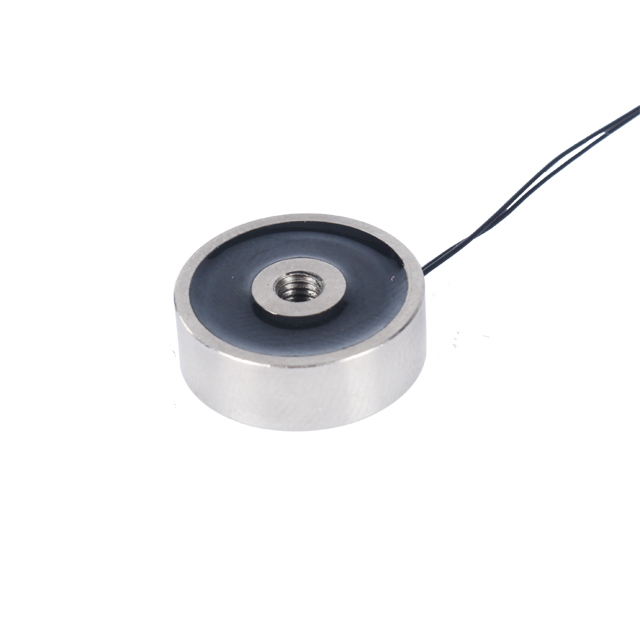
An electromagnet 12v operates within a voltage range that aligns perfectly with automotive electrical systems, portable battery configurations, and low-voltage industrial control circuits. The 12-volt specification offers sufficient energy to generate meaningful magnetic holding force while maintaining safe operation in environments where higher voltages pose risks. When selecting applications for an electromagnet 12v, engineers must consider factors including duty cycle requirements, ambient temperature conditions, mounting space limitations, and the physical properties of materials being attracted or held.
Security installations represent one of the primary application domains for an electromagnet 12v, particularly in electromagnetic door locks and access control mechanisms. An electromagnet 12v provides reliable holding force ranging from 50 to 500 newtons depending on core design and coil configuration, making it suitable for securing doors, gates, cabinets, and restricted entry points. The electromagnet 12v in these applications typically operates in a fail-safe or fail-secure configuration, where power interruption either releases or maintains the lock based on security requirements.
Commercial buildings, residential complexes, and institutional facilities increasingly deploy electromagnet 12v units in door locking systems because they interface seamlessly with card readers, keypads, and biometric scanners. An electromagnet 12v door lock can be controlled through relay circuits connected to access control panels, allowing centralized management of multiple entry points. The electromagnet 12v consumes minimal power during holding operation, typically between 2 and 5 watts, enabling energy-efficient security infrastructure that reduces operational costs over conventional mechanical locking systems.
Within retail environments, museums, and secure storage facilities, an electromagnet 12v serves as an effective mechanism for cabinet and drawer locking applications. The compact form factor of many electromagnet 12v designs allows installation in confined spaces where traditional locks cannot fit. An electromagnet 12v in these applications provides silent operation, eliminating the clicking and mechanical noise associated with conventional locks, which is particularly valuable in quiet environments such as libraries, medical facilities, and recording studios.
The automotive industry extensively utilizes electromagnet 12v components because vehicle electrical systems standardize on 12-volt DC architecture. An electromagnet 12v functions as an actuator in numerous vehicle subsystems, delivering precise mechanical motion in response to electrical signals from control modules. The robustness required in automotive environments makes electromagnet 12v designs particularly suitable for applications experiencing vibration, temperature fluctuation, and exposure to contaminants.
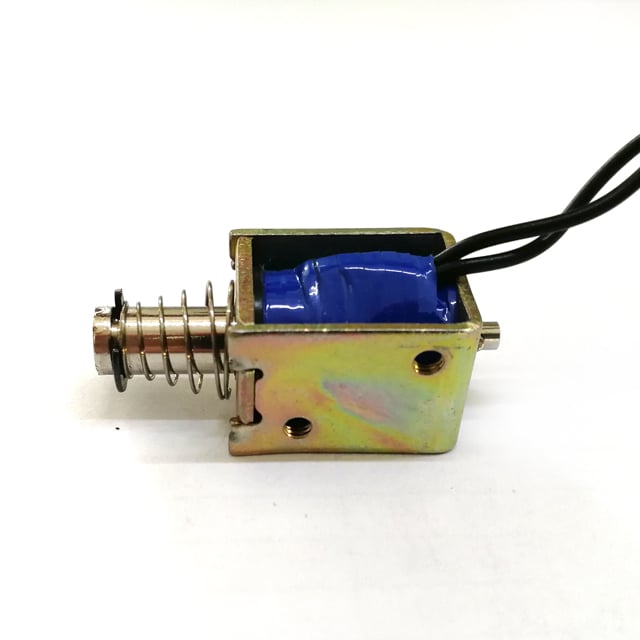
Fuel systems, emission control systems, and hydraulic circuits in vehicles employ an electromagnet 12v to actuate valves controlling fluid flow. An electromagnet 12v solenoid valve can open or close flow paths within milliseconds, enabling precise control of fuel injection timing, exhaust gas recirculation, and transmission fluid routing. The response speed of an electromagnet 12v makes it ideal for applications requiring rapid cycling, with some automotive electromagnet 12v units capable of operating at frequencies exceeding 50 cycles per second.
Vehicle door locks, trunk releases, fuel door actuators, and hood latches frequently incorporate an electromagnet 12v as the primary actuation mechanism. An electromagnet 12v in these applications provides reliable operation across temperature ranges from negative 40 to positive 85 degrees Celsius, which is essential for vehicles operating in diverse climate conditions. The electromagnet 12v eliminates complex mechanical linkages, reducing weight and improving packaging efficiency in modern vehicle designs where space optimization is critical.
Manufacturing facilities and warehouse operations deploy electromagnet 12v systems in automated sorting, positioning, and material handling applications where ferromagnetic components require controlled manipulation. An electromagnet 12v offers advantages over permanent magnets in these contexts because magnetic force can be switched on and off through electrical control signals, enabling automated pick-and-place operations without mechanical complexity.
Recycling facilities and manufacturing lines use an electromagnet 12v to separate ferrous materials from mixed streams. An electromagnet 12v mounted on conveyor systems or robotic arms can selectively attract steel and iron components while leaving non-magnetic materials undisturbed. The controllable nature of an electromagnet 12v allows synchronization with sensors and programmable logic controllers, creating intelligent sorting systems that adapt to varying material compositions and throughput rates.
Assembly workstations and inspection stations benefit from electromagnet 12v holding fixtures that secure ferromagnetic workpieces during processing operations. An electromagnet 12v fixture provides quick loading and unloading compared to mechanical clamps, reducing cycle time and operator fatigue. An electromagnet 12v in these applications can be energized only during actual work operations, minimizing power consumption and heat generation in continuous production environments where multiple electromagnet 12v units operate simultaneously.
Healthcare and research facilities incorporate electromagnet 12v components in diagnostic equipment, sample handling systems, and therapeutic devices where precise control and patient safety requirements demand low-voltage operation. An electromagnet 12v provides sufficient force for manipulating small ferromagnetic objects while operating within voltage ranges that minimize electrical safety concerns in medical environments.
Automated laboratory analyzers use an electromagnet 12v to position and transport sample containers, reagent bottles, and test tubes through processing stations. An electromagnet 12v in these applications enables contactless manipulation that reduces contamination risks compared to mechanical grippers. The electromagnet 12v operates quietly, which is important in laboratory settings where noise reduction improves working conditions and reduces distraction during precision work.
Certain medical devices employ an electromagnet 12v to generate controlled magnetic fields for therapeutic purposes or to manipulate contrast agents during imaging procedures. An electromagnet 12v in these applications must meet stringent electromagnetic compatibility requirements to avoid interference with sensitive electronic monitoring equipment. The low voltage of an electromagnet 12v reduces electrical safety risks when devices are used in proximity to patients, particularly in environments where moisture or conductive fluids may be present.
Home appliances and consumer electronics increasingly integrate electromagnet 12v components to implement latching mechanisms, actuators, and control functions. An electromagnet 12v aligns well with the DC power supplies used in modern electronic devices, eliminating the need for voltage conversion circuits and reducing overall system cost and complexity.
Washing machines, dishwashers, and microwave ovens use an electromagnet 12v to implement door interlock systems that prevent operation when access panels are open. An electromagnet 12v door lock in these applications typically operates in a fail-safe mode, releasing automatically during power interruption to prevent user entrapment. The electromagnet 12v withstands the moisture, temperature variations, and vibration characteristic of appliance environments while maintaining reliable operation over product lifecycles typically exceeding ten years.
Educational robotics kits and consumer robotic devices incorporate an electromagnet 12v for gripping, positioning, and manipulation tasks. An electromagnet 12v provides sufficient force for small robotic applications while operating safely from battery packs or USB power adapters. The electromagnet 12v enables students and hobbyists to explore electromagnetic principles through hands-on experimentation, creating engaging learning experiences that demonstrate practical applications of electrical engineering concepts.
An electromagnet 12v typically generates holding force ranging from 10 to 500 newtons depending on core material, coil design, pole face area, and air gap distance. Compact electromagnet 12v units designed for electronic applications produce forces between 10 and 50 newtons, while larger industrial electromagnet 12v designs can exceed 300 newtons. The actual holding force of an electromagnet 12v decreases rapidly as the air gap increases, with force typically dropping by 50 percent when the gap doubles from the minimum specified distance.
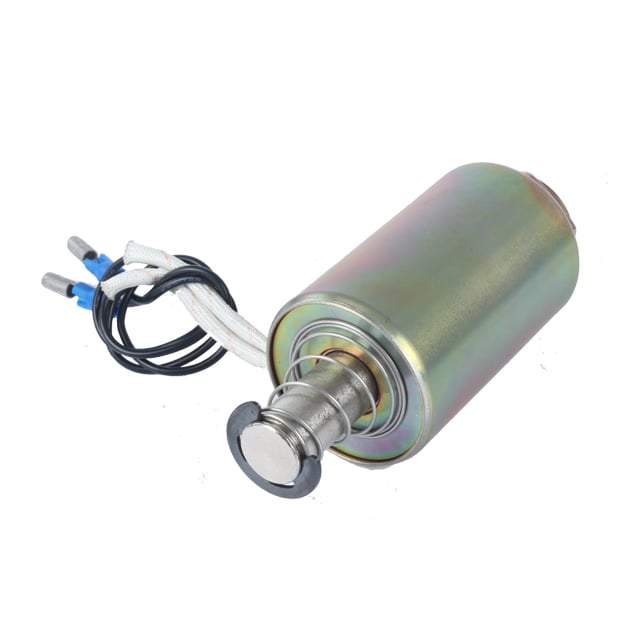
An electromagnet 12v can be designed for either continuous duty or intermittent operation depending on thermal management and coil specifications. Continuous-duty electromagnet 12v models incorporate heat dissipation features such as aluminum housings and thermal epoxy encapsulation that prevent overheating during prolonged energization. Intermittent-duty electromagnet 12v designs accept higher current densities to maximize force output but require periodic de-energization to prevent thermal damage. Always verify the duty cycle rating of an electromagnet 12v before implementing it in applications requiring extended holding periods.
Suitability of an electromagnet 12v depends on matching several critical parameters to application requirements. These include available holding force versus load weight and safety factors, response time requirements versus coil inductance, power consumption versus available supply capacity, physical dimensions versus mounting space constraints, environmental conditions versus temperature and moisture ratings, and duty cycle demands versus thermal dissipation capability. An electromagnet 12v performs optimally when all these factors align with the specific operational profile of the intended application.
 Hot News
2026-08-24
2026-08-17
2026-08-17
2026-08-10
2026-08-03
2026-07-30
Zhongshan Landa Technology: ISO9001 & UL-certified manufacturer of custom electromagnets, push-pull solenoids, and induction coils for automation, medical, auto & appliances. Trusted global partner since 2008.
3F, Building 4, No.8 North Industrial Avenue Xiaolan, Xiaolan Town, Zhongshan, Guangdong, China
Copyright © Zhongshan Landa Technology Co., Ltd All Rights Reserved Privacy Policy

 EN
EN