 ×
×

Compact automation setups demand components that balance power, size, and efficiency. The electromagnet 12v has emerged as the standard choice across robotics, industrial control systems, and automated machinery. This voltage rating provides sufficient magnetic force for holding, releasing, and actuating mechanisms while maintaining compatibility with common control circuits and power supplies. Understanding why electromagnet 12v units dominate this space reveals fundamental advantages in voltage standardization, thermal management, and system integration that make them indispensable in modern automation design.
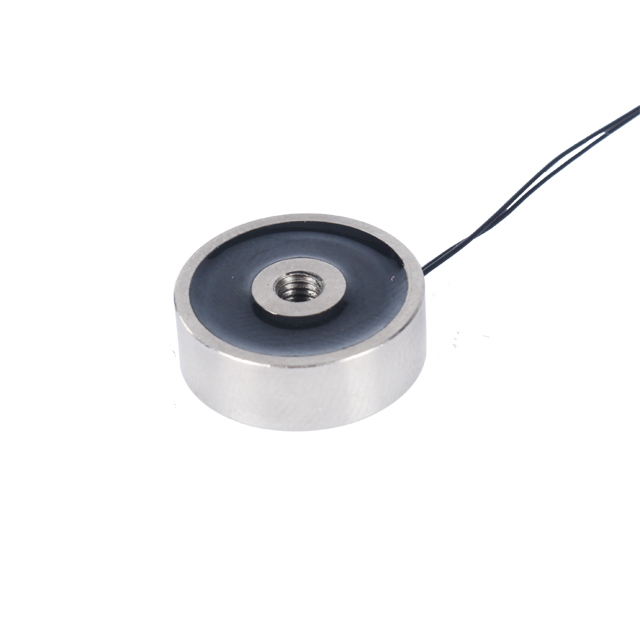
The widespread adoption of electromagnet 12v technology in compact automation stems from decades of electrical standardization and proven field performance. Industrial designers select electromagnet 12v components because they align with established DC power infrastructures found in automotive systems, battery-operated equipment, and programmable logic controllers. This voltage level strikes an optimal balance between magnetic strength and energy consumption, making electromagnet 12v units practical for applications requiring repeated actuation cycles without excessive heat buildup or power draw that would strain control systems.
The electromagnet 12v operates within the most common DC voltage standard used across automation equipment. Power supplies rated for electromagnet 12v operation are readily available, cost-effective, and compatible with existing control infrastructures. This standardization eliminates the need for custom voltage converters or specialized power conditioning circuits. When engineers specify an electromagnet 12v for a new automation project, they can rely on off-the-shelf power distribution components that integrate seamlessly with microcontrollers, relay modules, and industrial PLCs already operating at this voltage level.
Automated guided vehicles, portable robotic systems, and battery-powered machinery universally adopt 12-volt electrical architectures. The electromagnet 12v fits naturally into these mobile platforms without requiring voltage step-up or step-down conversion. Lead-acid battery packs, lithium-ion configurations, and sealed rechargeable systems commonly output voltages compatible with electromagnet 12v specifications. This direct compatibility reduces component count, lowers system weight, and improves reliability by eliminating potential failure points associated with voltage conversion circuits that would otherwise be necessary with higher-voltage electromagnet options.
The electromagnet 12v produces manageable thermal output during sustained operation compared to higher-voltage alternatives. At this voltage level, resistive heating in the coil winding remains within safe thermal limits for continuous duty cycles typical in automation applications. Engineers can specify an electromagnet 12v for holding fixtures, gate mechanisms, or sorting systems that operate for extended periods without implementing complex cooling systems. The thermal stability of electromagnet 12v units allows direct mounting to plastic housings or enclosed control panels where heat dissipation options are limited, making them ideal for compact enclosures.
Compact automation setups often operate with constrained power budgets, particularly in distributed control systems or battery-dependent equipment. The electromagnet 12v delivers sufficient magnetic force while consuming power levels that align with the capacity of standard industrial power supplies and battery systems. Multiple electromagnet 12v units can operate simultaneously on a single power rail without overloading supply capacity or requiring oversized wiring. This power efficiency becomes critical in large-scale automation installations where dozens of electromagnet 12v actuators must function concurrently without causing voltage sags or triggering overcurrent protection circuits that would disrupt production operations.
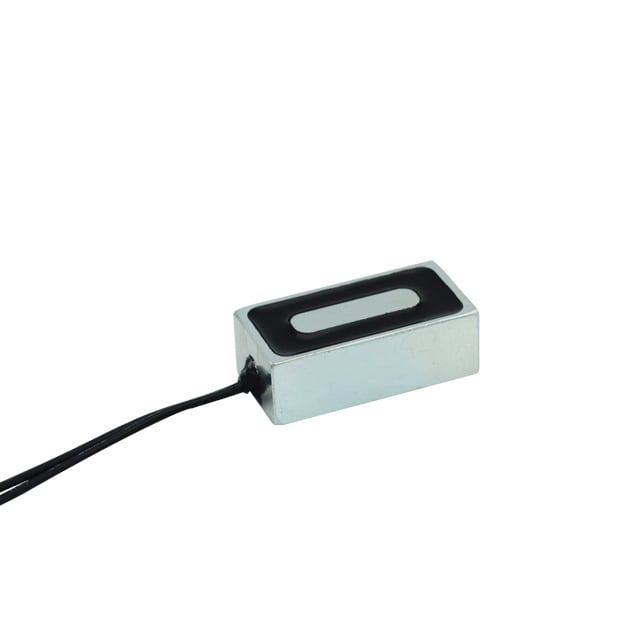
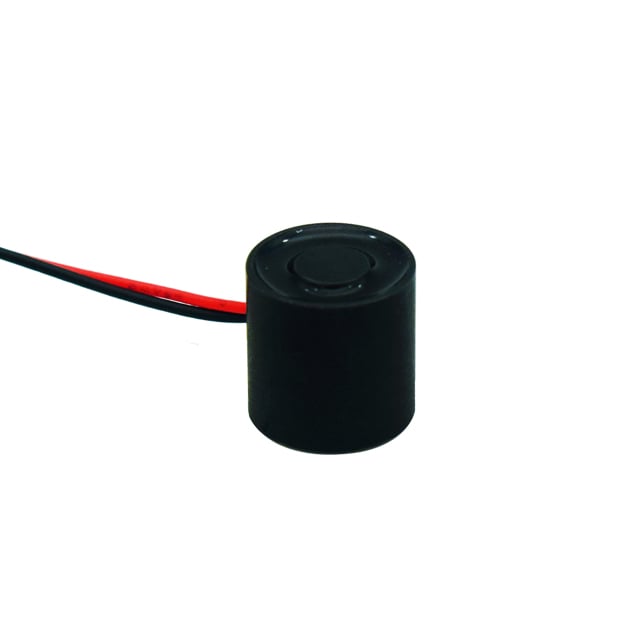
The electromagnet 12v achieves necessary holding forces in physically smaller packages compared to lower-voltage designs that require more coil turns or larger wire gauges. Modern electromagnet 12v units utilize optimized core materials and coil geometries that concentrate magnetic flux efficiently. This allows electromagnet 12v components to fit within tight spatial constraints typical of robotic end effectors, automated assembly stations, and miniaturized actuation systems. The reduced size of electromagnet 12v assemblies contributes to lower overall equipment weight and enables installation in locations where larger electromagnets would interfere with moving components or obstruct maintenance access points.
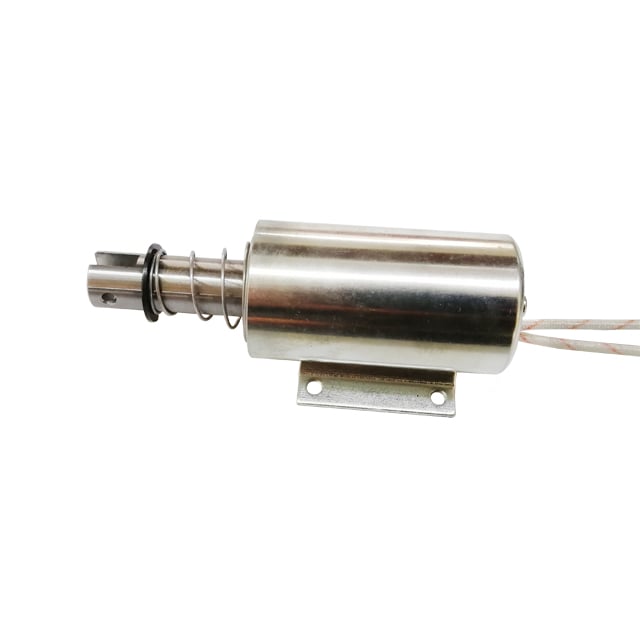
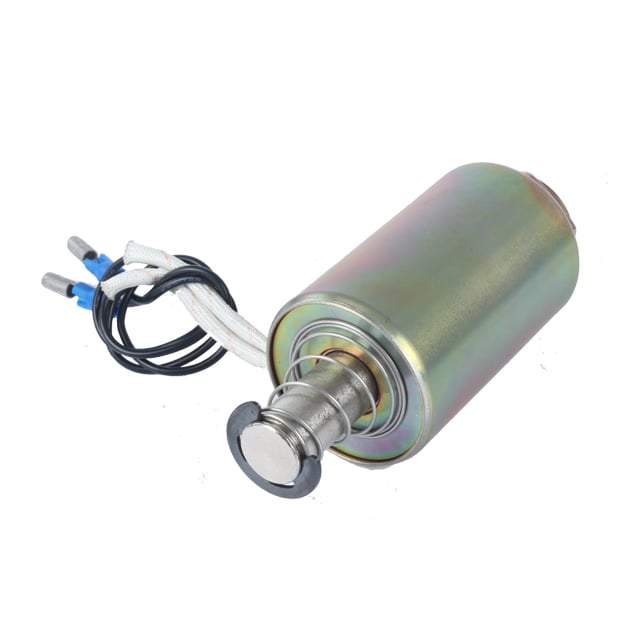
Engineers appreciate how electromagnet 12v units mount easily using standard mechanical fasteners and connection methods. The voltage level corresponds with common industrial connector standards, allowing electromagnet 12v devices to interface with existing wiring harnesses and terminal blocks without custom adapters. Electromagnet 12v components integrate into modular automation frameworks where interchangeable actuators simplify maintenance and reduce spare parts inventory. The standardized nature of electromagnet 12v specifications means replacement units from different manufacturers maintain similar electrical and mechanical characteristics, preventing obsolescence issues that plague specialized voltage configurations.
Driving an electromagnet 12v requires straightforward switching circuits using readily available transistors, MOSFETs, or solid-state relays rated for this voltage range. The electromagnet 12v operates with digital control signals from microcontrollers without needing high-voltage driver stages or isolation transformers. This simplicity reduces circuit board complexity, lowers component costs, and improves system reliability by minimizing parts that could fail. When an automation system uses electromagnet 12v actuators throughout, control logic designers can standardize driver circuits and software routines, accelerating development time and reducing troubleshooting complexity during commissioning and field service activities.
The electromagnet 12v offers advantages in battery-powered and mobile equipment where 12-volt power supplies are already standard. While 24-volt electromagnets provide higher force per unit size, the electromagnet 12v eliminates the need for voltage conversion in systems already designed around 12-volt architectures, reducing component count and system complexity. For compact automation where space is limited and power supplies are standardized, the electromagnet 12v provides sufficient force while maintaining compatibility with existing electrical infrastructure.
The electromagnet 12v responds quickly to control signals and can handle thousands of switching cycles per hour without performance degradation. At this voltage level, inductive kickback during de-energization is manageable with standard flyback diodes or snubber circuits. The electromagnet 12v maintains consistent magnetic force throughout its operating life when properly protected from voltage spikes and overcurrent conditions. Rapid cycling applications benefit from the electromagnet 12v thermal characteristics that prevent excessive temperature rise during high-frequency operation typical in sorting systems and automated pick-and-place machinery.
Yes, multiple electromagnet 12v actuators commonly share a single regulated 12-volt supply with appropriate current capacity. Engineers calculate total current draw by summing individual electromagnet 12v coil currents and selecting supplies with adequate margin. Each electromagnet 12v typically receives individual switching control through transistors or relay contacts, allowing independent operation. Proper power distribution design prevents voltage drops that could reduce electromagnet 12v holding force, and overcurrent protection ensures one malfunctioning electromagnet 12v does not compromise the entire system. This parallel operation capability makes electromagnet 12v ideal for distributed automation architectures requiring numerous synchronized actuators.
 Hot News
2026-08-24
2026-08-17
2026-08-17
2026-08-10
2026-08-03
2026-07-30
Zhongshan Landa Technology: ISO9001 & UL-certified manufacturer of custom electromagnets, push-pull solenoids, and induction coils for automation, medical, auto & appliances. Trusted global partner since 2008.
3F, Building 4, No.8 North Industrial Avenue Xiaolan, Xiaolan Town, Zhongshan, Guangdong, China
Copyright © Zhongshan Landa Technology Co., Ltd All Rights Reserved Privacy Policy

 EN
EN