 ×
×

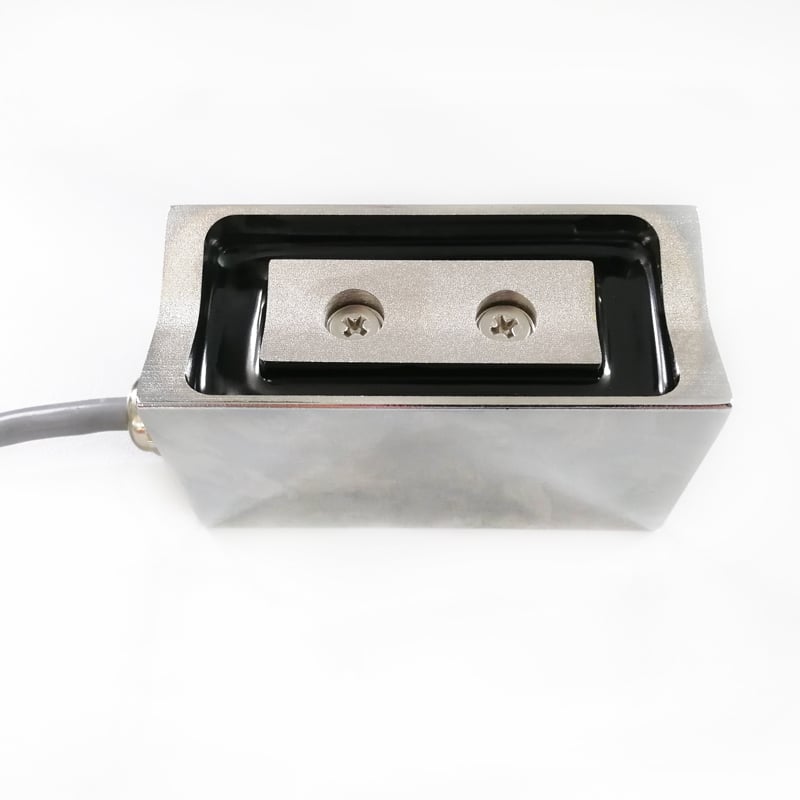
Selecting the right mini electromagnet for medical or laboratory equipment designs requires careful consideration of multiple technical and operational factors. A mini electromagnet serves as a critical component in precision instruments, diagnostic devices, fluid control systems, and automated lab equipment. The selection process involves evaluating electrical specifications, mechanical performance, environmental requirements, and integration constraints. This guide walks through the essential criteria engineers and designers must assess when choosing a mini electromagnet for healthcare and scientific applications.
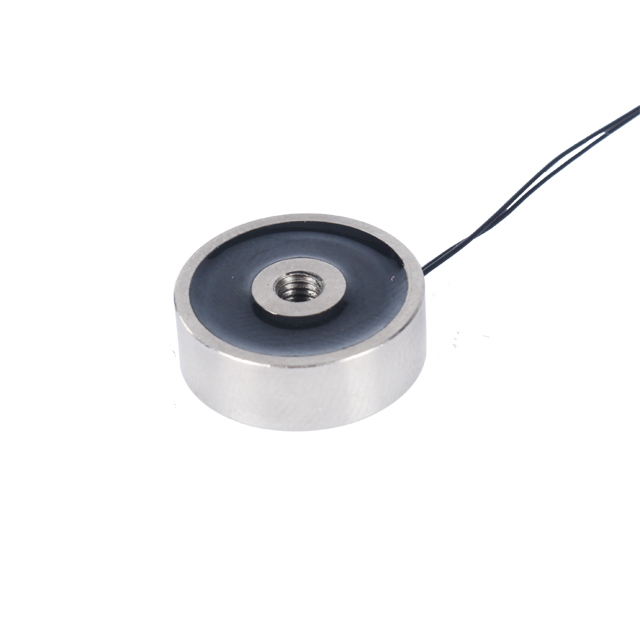
Medical and laboratory equipment demands high reliability, compact form factors, and precise control. A mini electromagnet must deliver consistent magnetic force within tight spatial constraints while maintaining operational safety and longevity. Understanding how to match electromagnet characteristics with application requirements ensures optimal device performance, regulatory compliance, and user safety. The selection process begins with defining the functional role of the mini electromagnet within the equipment architecture.
The first step in selecting a mini electromagnet involves calculating the required magnetic force. A mini electromagnet generates force measured in newtons or pounds, and this force must match or exceed the load it will hold, pull, or release. Medical devices such as valve actuators, sample positioning systems, or locking mechanisms each demand specific force thresholds. For instance, a mini electromagnet used in a diagnostic instrument to secure a sample tray may require 5 to 15 newtons of holding force, while a micro-pump valve might need only 2 to 5 newtons. Accurately defining force requirements prevents under-specification, which leads to unreliable operation, or over-specification, which wastes energy and increases component cost. Engineers should account for force variation due to air gap distance, as a mini electromagnet loses pulling force exponentially as the gap between the electromagnet and the ferromagnetic target increases.
Duty cycle describes the percentage of time a mini electromagnet remains energized during operation. Continuous duty applications, where the mini electromagnet stays powered for extended periods, generate more heat than intermittent duty cycles. A mini electromagnet designed for continuous operation must include thermal management features such as heat-resistant coil insulation, efficient heat dissipation surfaces, or lower current draw to prevent overheating. Laboratory equipment that activates a mini electromagnet only during brief sampling or positioning events can tolerate higher current densities and smaller heat sinks. Designers must specify duty cycle requirements early in the selection process because a mini electromagnet optimized for short pulses may fail if used continuously. Conversely, a mini electromagnet built for continuous duty may be unnecessarily large or expensive for pulsed applications. Thermal analysis should include ambient temperature ranges typical in medical and lab environments, which often span 15 to 35 degrees Celsius.
A mini electromagnet operates on specific voltage levels, commonly 6V, 12V, or 24V DC in medical and lab equipment. The choice of operating voltage depends on the power supply architecture of the host device. Battery-powered portable diagnostic tools often use 6V or 12V mini electromagnet models to align with standard battery configurations, while benchtop laboratory instruments connected to mains power may employ 24V systems for higher efficiency and lower current draw. Voltage selection impacts coil design, wire gauge, and turn count within the mini electromagnet. A mini electromagnet designed for 12V operation will differ in coil resistance and inductance from a 6V version of the same physical size. Designers must ensure the selected mini electromagnet voltage matches the available power rail and that the power supply can deliver sufficient current without voltage droop during energization. Voltage tolerance specifications are also critical, as a mini electromagnet may perform unpredictably if supplied with voltage significantly above or below its rated value.
Current consumption directly affects power dissipation and battery life in portable medical devices. A mini electromagnet with lower resistance coils draws more current for a given voltage, generating higher magnetic force but also more heat. Designers must balance force output against current draw when selecting a mini electromagnet for battery-operated equipment. For example, a handheld diagnostic device may prioritize a mini electromagnet with moderate force and low current to extend battery runtime, while a mains-powered lab instrument can afford a higher-current mini electromagnet for maximum force. Power consumption also impacts compliance with medical device energy standards and thermal safety limits. Engineers should calculate total power dissipation by multiplying operating voltage by steady-state current, then verify that the mini electromagnet remains within safe temperature limits during worst-case duty cycles. In some applications, pulse-width modulation or current-limiting circuits reduce average power consumption while maintaining adequate peak force from the mini electromagnet.
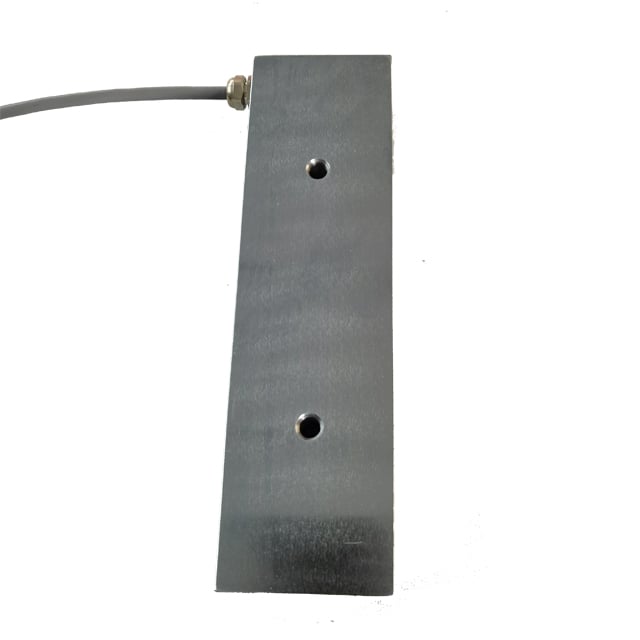
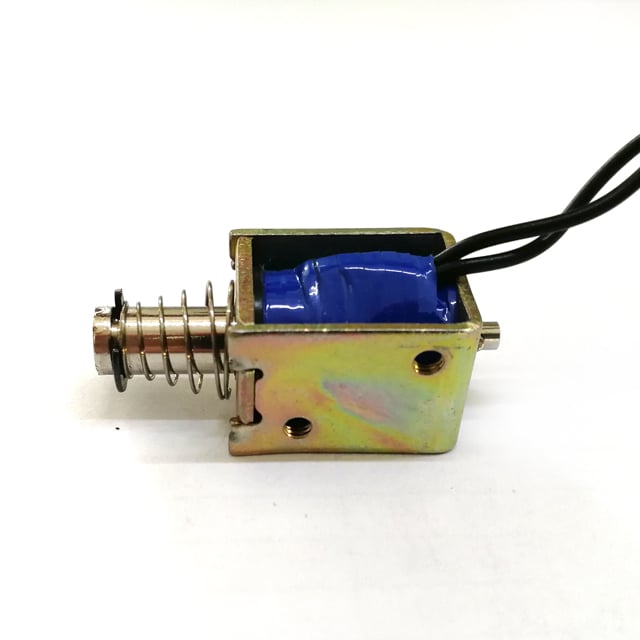
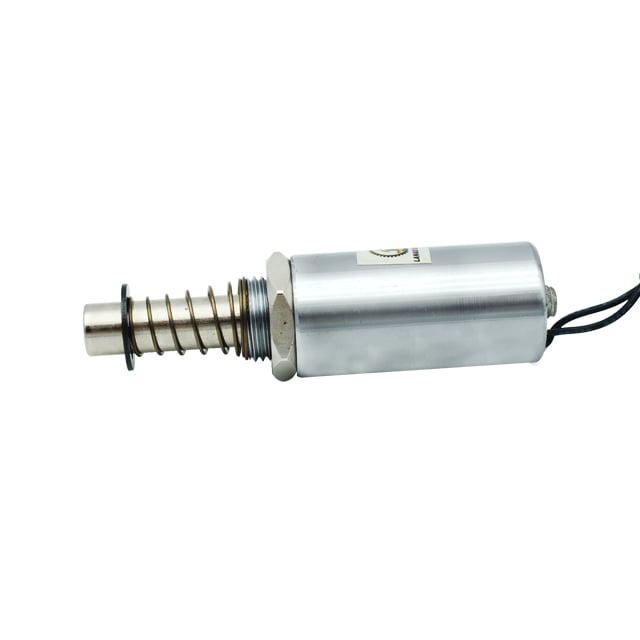
Space constraints in medical and laboratory equipment often drive the selection of a mini electromagnet over larger alternatives. A mini electromagnet typically measures between 10 and 40 millimeters in diameter or width, with overall lengths ranging from 15 to 50 millimeters. Designers must verify that the mini electromagnet fits within the allocated envelope and that mounting features align with the mechanical design. Common mounting methods include through-hole mounting with threaded inserts, adhesive bonding, or press-fit installation. A mini electromagnet intended for high-vibration environments, such as portable diagnostic tools or centrifuge-adjacent systems, requires secure mechanical retention to prevent loosening or misalignment. The shape of the mini electromagnet also matters: cylindrical mini electromagnet designs suit rotary or linear actuators, while flat or rectangular profiles integrate better into compact enclosures. Engineers should obtain detailed dimensional drawings and 3D models from the mini electromagnet supplier to confirm fit and clearance during the design phase.
Medical and laboratory settings expose equipment to cleaning agents, moisture, temperature fluctuations, and electromagnetic interference. A mini electromagnet selected for these applications must meet relevant environmental specifications. For example, a mini electromagnet used in a fluid handling system may require IP65 or higher ingress protection to resist water and chemical splashes. A mini electromagnet in an MRI-adjacent device must use non-ferromagnetic housing materials to avoid magnetic attraction and imaging artifacts. Temperature ratings for a mini electromagnet should cover the full operating range of the equipment, including cold storage conditions or autoclave sterilization cycles if applicable. Biocompatibility is another consideration when a mini electromagnet comes into contact with patient samples or sterile fields. While the mini electromagnet itself may not touch biological material, its housing, coatings, and adhesives should comply with ISO 10993 or similar standards when integrated into medical devices. Electromagnetic compatibility testing ensures that the mini electromagnet does not generate excessive electrical noise that could interfere with sensitive sensors or communication circuits within the equipment.
Reliability is paramount in medical and laboratory equipment, where a mini electromagnet failure can compromise diagnostic accuracy, sample integrity, or patient safety. A mini electromagnet with a proven track record, robust construction, and long mean time between failures should be prioritized. Suppliers offering mini electromagnet models with published reliability data, accelerated life test results, and failure mode analysis provide greater confidence for critical applications. Regulatory compliance is equally important. A mini electromagnet integrated into a medical device must support the overall device's certification under FDA, CE, or other regional standards. While the mini electromagnet itself may not require individual certification, its electrical and mechanical characteristics must align with system-level safety requirements. For example, a mini electromagnet coil insulation must withstand dielectric testing at voltages specified in IEC 60601 for medical electrical equipment. A mini electromagnet used in IVD instruments may need to meet additional cleanroom or contamination control standards. Engineers should request compliance documentation from the mini electromagnet manufacturer and verify that the component supports the intended regulatory pathway.
For battery-powered portable medical devices, a 6V or 12V mini electromagnet is typically ideal. These voltages align with standard battery configurations and minimize current draw, extending battery life. A 12V mini electromagnet generally offers higher force output than a 6V model of the same size, but at the cost of higher power consumption. Select the voltage that matches your power supply and balances force requirements with energy efficiency. Always verify that the mini electromagnet supplier provides voltage tolerance specifications to ensure stable operation across battery discharge curves.
To calculate the required force for a mini electromagnet, identify the maximum load the mini electromagnet must hold, pull, or release, then add a safety margin of 20 to 50 percent. For example, if a sample positioning mechanism requires 8 newtons to secure a component, specify a mini electromagnet rated for at least 10 to 12 newtons. Consider the air gap between the mini electromagnet and the ferromagnetic target, as force drops rapidly with increasing distance. A mini electromagnet that delivers 10 newtons at zero gap may provide only 2 to 3 newtons at a 2-millimeter gap. Consult the mini electromagnet manufacturer's force-versus-gap curves to ensure adequate performance under real operating conditions.
Whether a mini electromagnet can withstand sterilization or cleaning depends on its construction and environmental ratings. A mini electromagnet with sealed coil windings, corrosion-resistant housing, and high-temperature insulation may tolerate certain chemical disinfectants or low-temperature sterilization methods. However, most mini electromagnet models are not designed for autoclave sterilization, which exposes components to steam at 121 to 134 degrees Celsius. If the mini electromagnet must endure such conditions, specify a high-temperature mini electromagnet variant or isolate the mini electromagnet from direct exposure using protective barriers. For routine cleaning, a mini electromagnet with IP65 or IP67 ingress protection resists moisture and cleaning agents. Always confirm environmental limits with the mini electromagnet supplier before specifying the component for medical use.
 Hot News
2026-08-24
2026-08-17
2026-08-17
2026-08-10
2026-08-03
2026-07-30
Zhongshan Landa Technology: ISO9001 & UL-certified manufacturer of custom electromagnets, push-pull solenoids, and induction coils for automation, medical, auto & appliances. Trusted global partner since 2008.
3F, Building 4, No.8 North Industrial Avenue Xiaolan, Xiaolan Town, Zhongshan, Guangdong, China
Copyright © Zhongshan Landa Technology Co., Ltd All Rights Reserved Privacy Policy

 EN
EN