latching solenoid
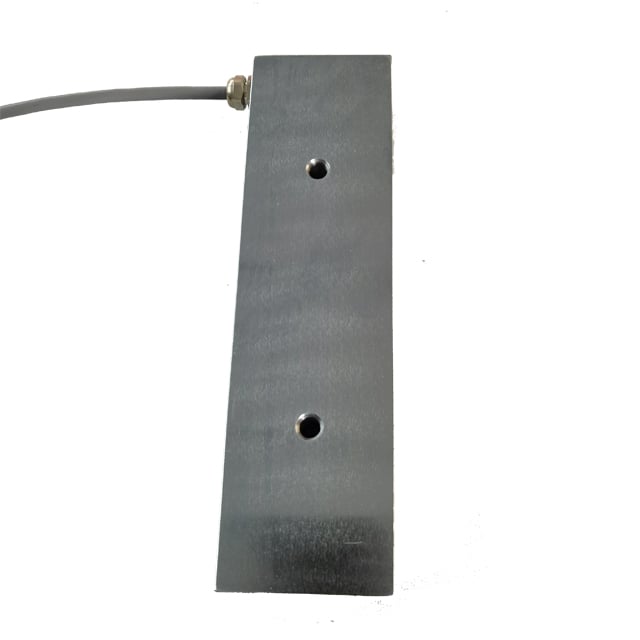
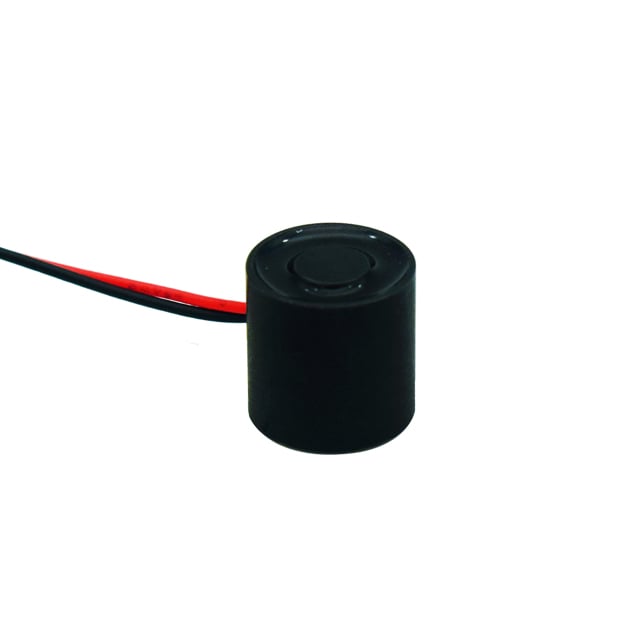
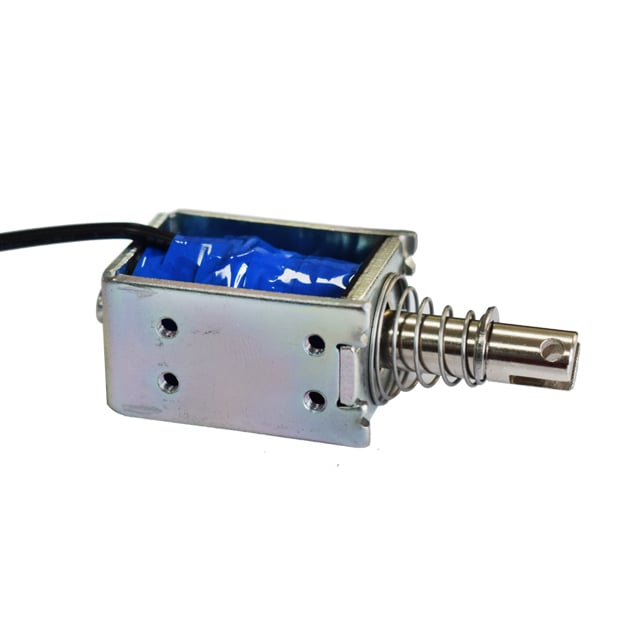
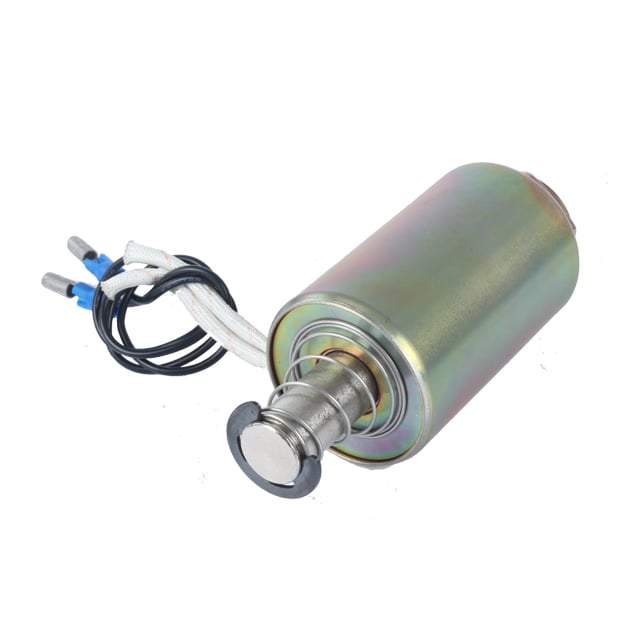
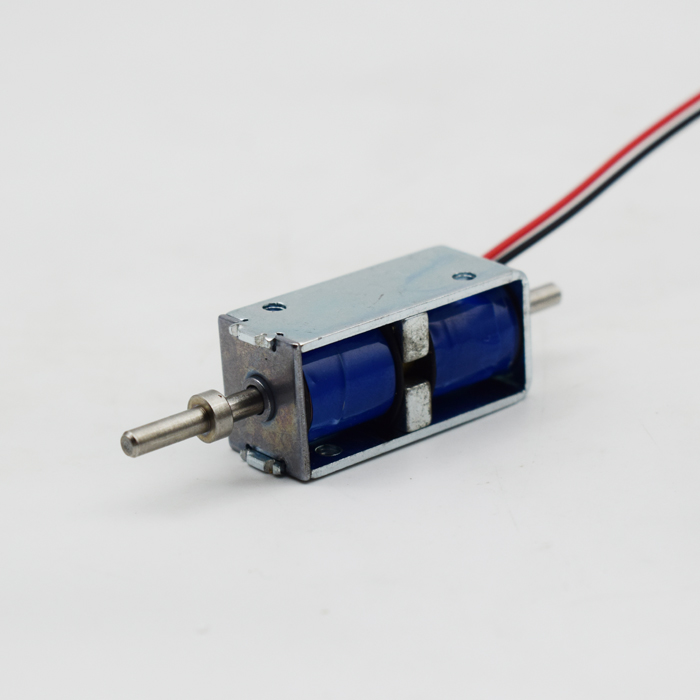
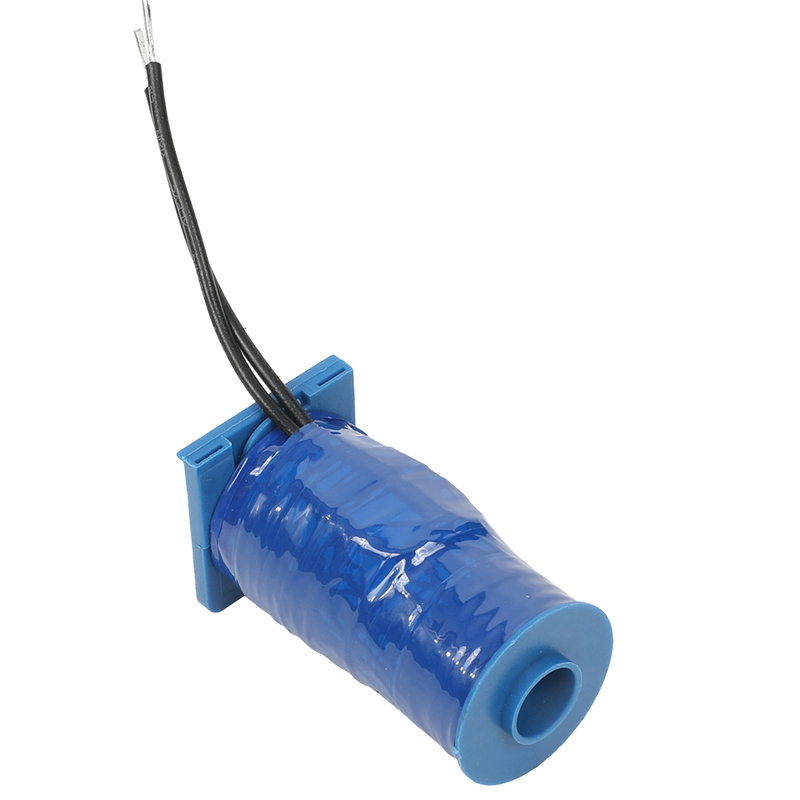
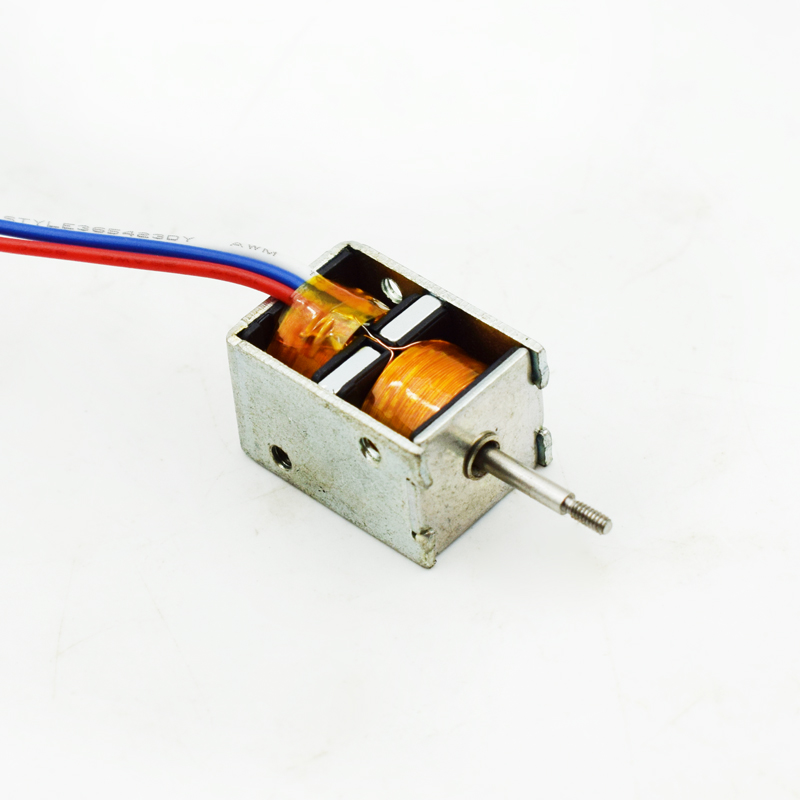
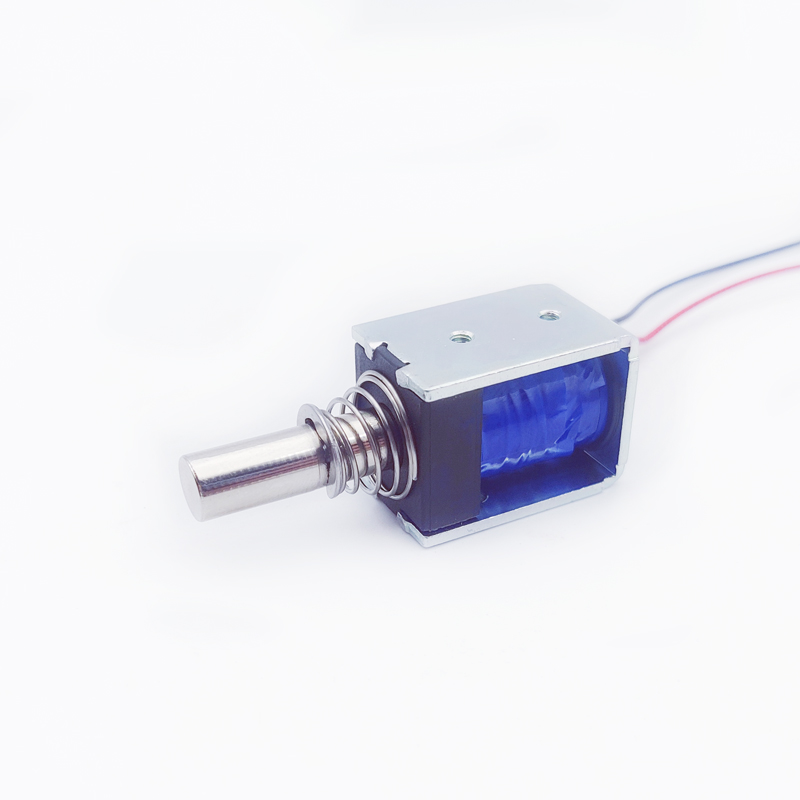
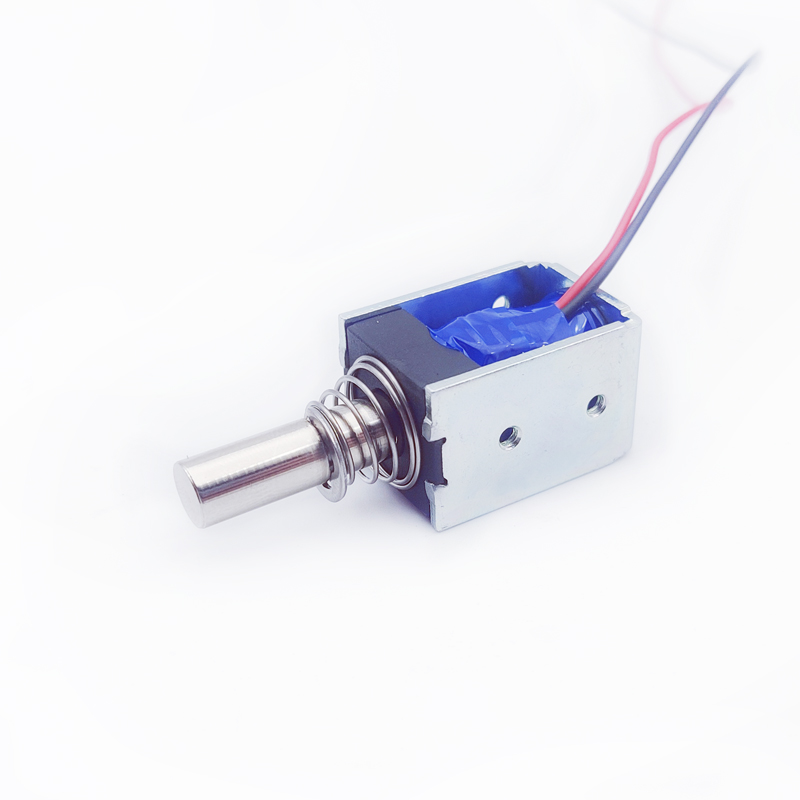
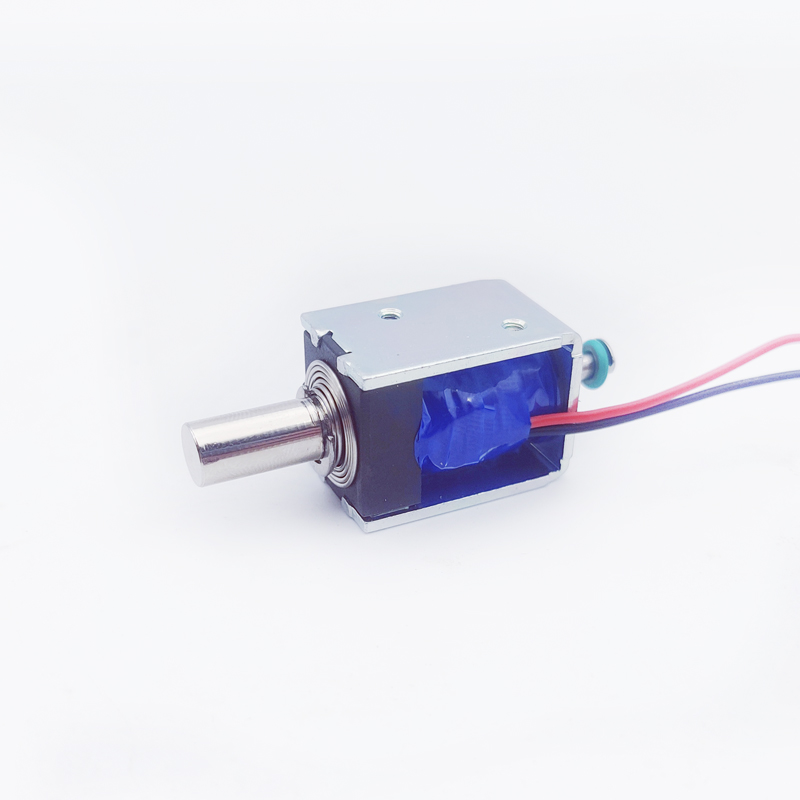
A latching solenoid is an electromechanical device that maintains its position without continuous power supply, making it uniquely efficient among actuator technologies. Unlike conventional solenoids that require constant electrical current to hold their state, the latching solenoid uses a brief electrical pulse to switch between two stable positions and remains in that position using permanent magnets. This bistable mechanism consists of a coil, plunger, permanent magnets, and a return spring system that work together to create reliable switching action. The core function of a latching solenoid involves converting electrical energy into linear mechanical motion with exceptional energy efficiency. When a short voltage pulse energizes the coil, it creates a magnetic field that either attracts or repels the plunger, moving it to the opposite position where it locks mechanically or magnetically. This position is maintained indefinitely without power consumption until another pulse reverses the action. The latching solenoid finds extensive applications across industries including automotive systems for door locks and transmission control, medical equipment for precise fluid control, industrial automation for valve actuation, and consumer electronics for battery-operated devices. Its technological features include rapid response times typically under 50 milliseconds, compact design profiles, low heat generation due to pulse operation, and high cycle life exceeding millions of operations. The dual-coil or single-coil configurations offer flexibility for different voltage requirements and control strategies, making the latching solenoid adaptable to diverse operational environments and performance specifications.
 ×
×

 EN
EN