solenoid actuator
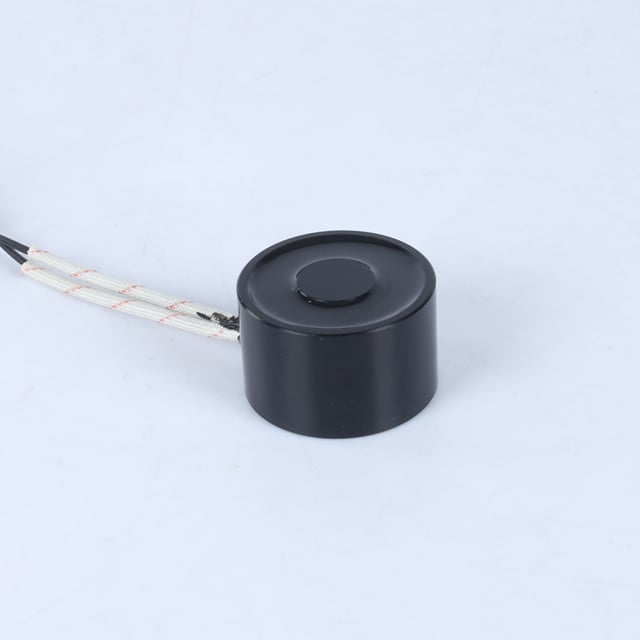
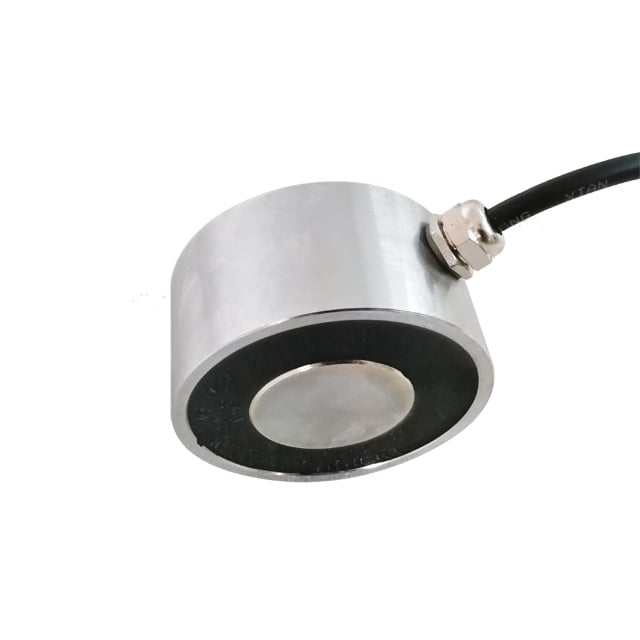
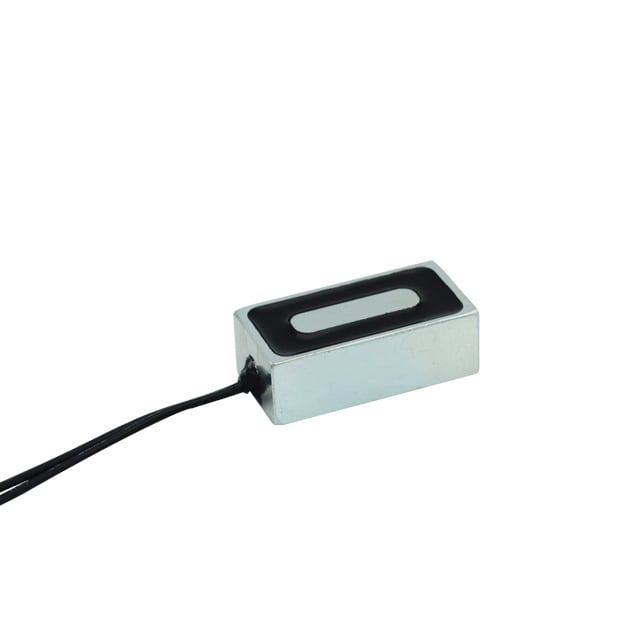
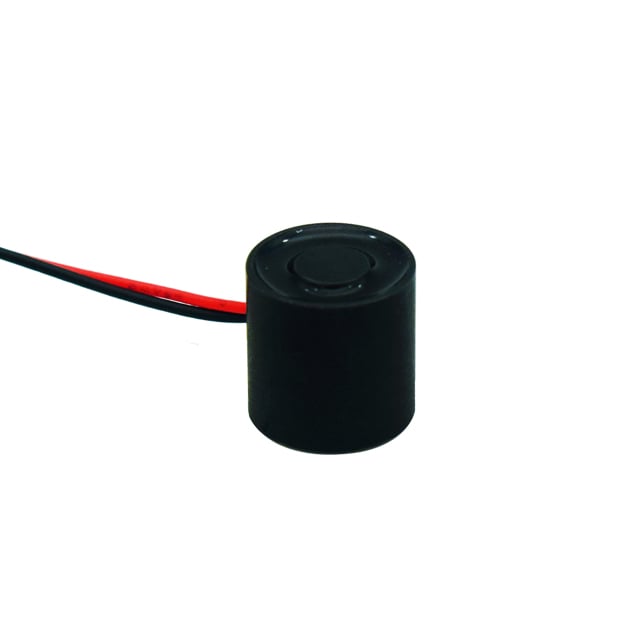
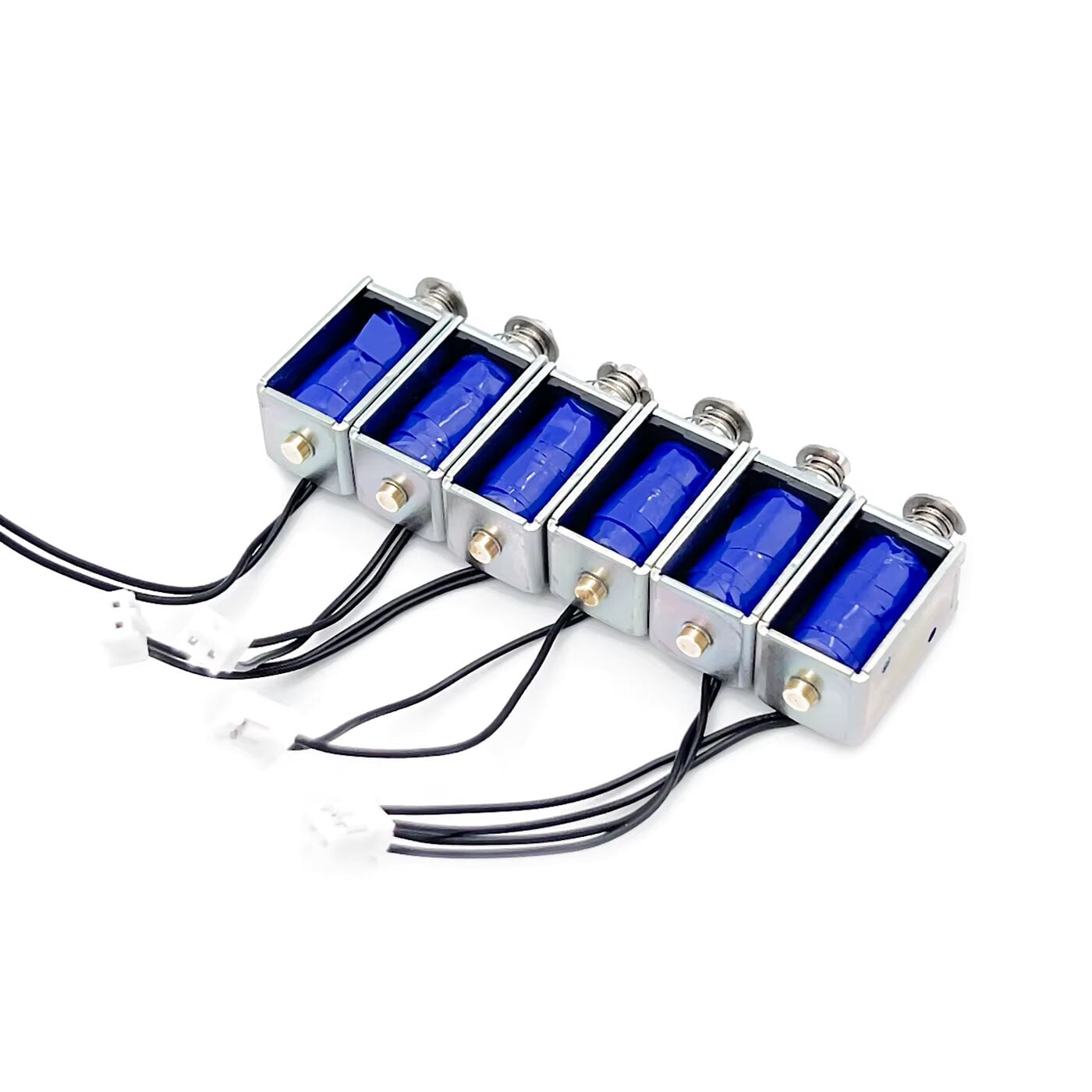
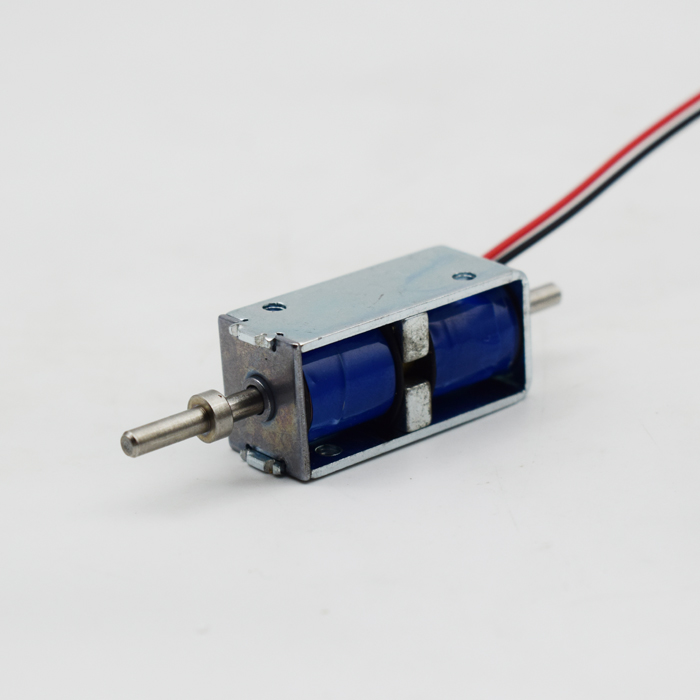
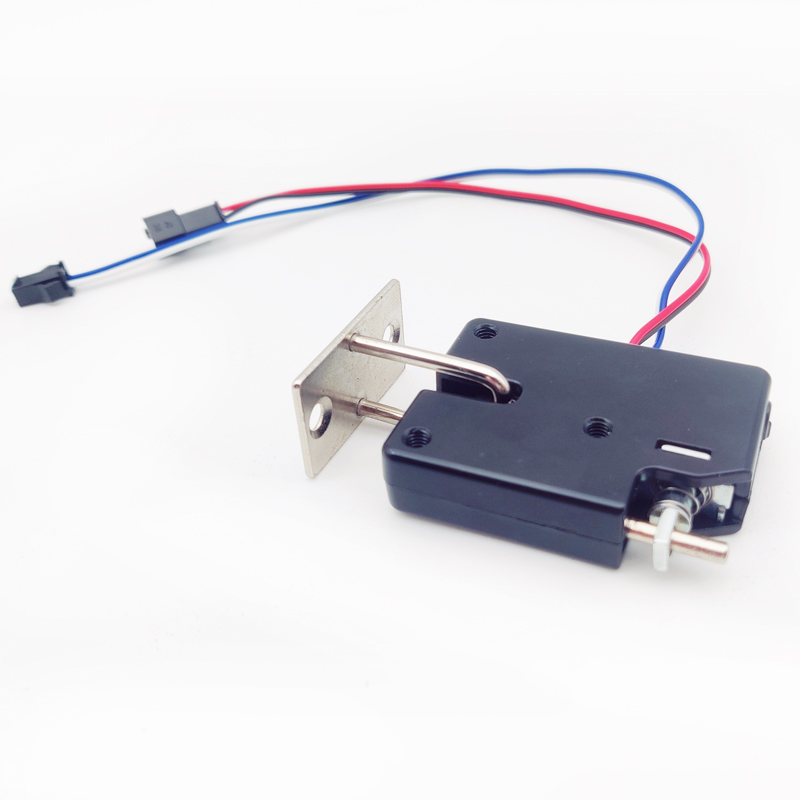
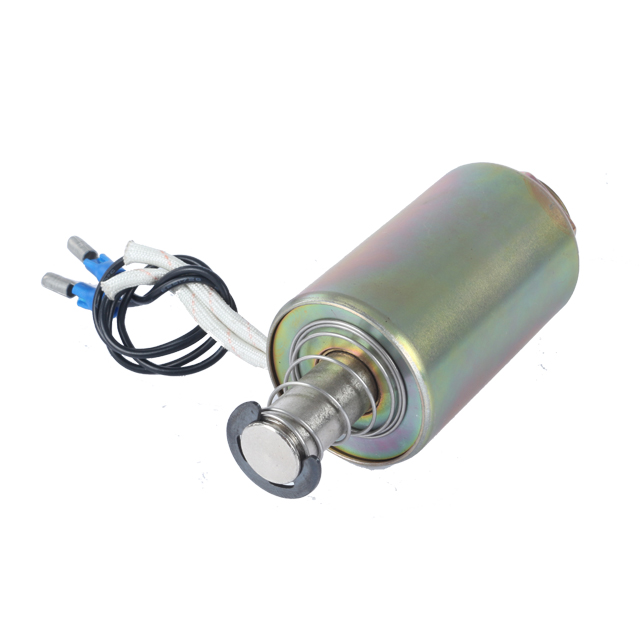
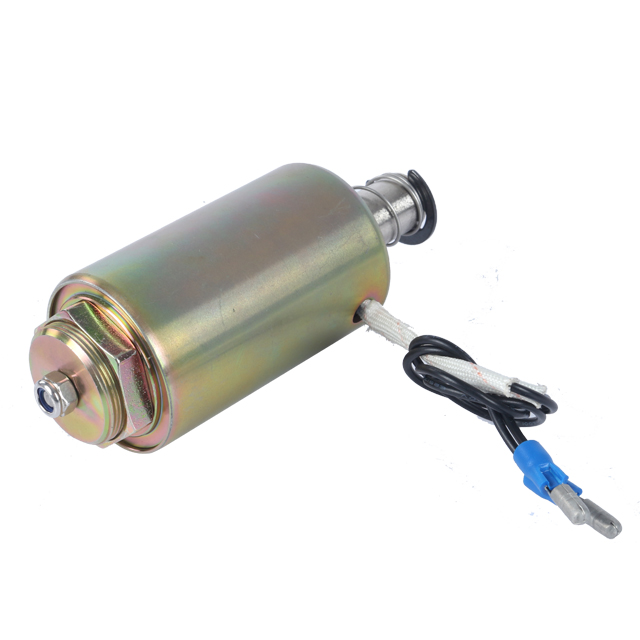
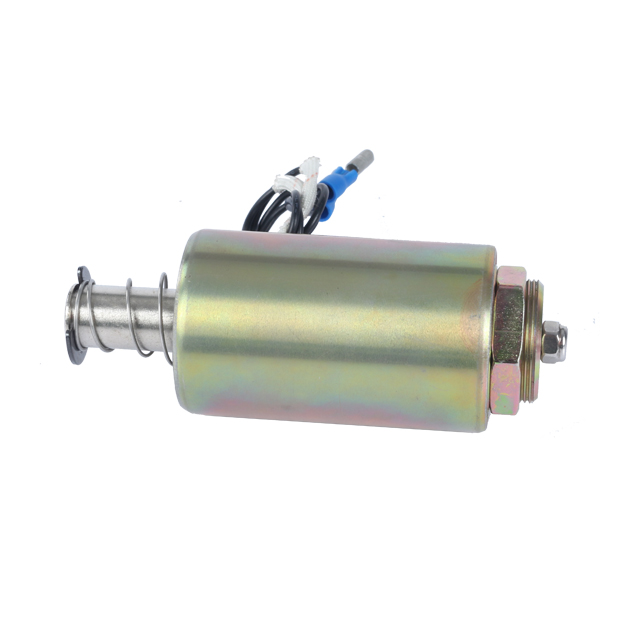
A solenoid actuator is an electromechanical device that converts electrical energy into linear mechanical motion through electromagnetic force. This versatile component consists of a coil of wire wound around a ferromagnetic core, and when electrical current passes through the coil, it generates a magnetic field that moves a plunger or armature to perform work. The solenoid actuator operates on the fundamental principle of electromagnetism, making it a reliable and efficient solution for controlling mechanical systems. These devices are available in various configurations, including push-type, pull-type, and bi-directional models, each designed to meet specific application requirements. The main functions of a solenoid actuator include precise positioning, valve control, locking mechanisms, and switching operations. Technological features that distinguish modern solenoid actuator designs include rapid response times, typically measured in milliseconds, adjustable stroke lengths, and the ability to operate across various voltage ranges. Many models incorporate protective features such as thermal overload protection and moisture-resistant enclosures for demanding environments. Applications for the solenoid actuator span numerous industries, from automotive systems where they control transmission shifts and fuel injection, to industrial automation for conveyor systems and sorting equipment. Medical devices, vending machines, security systems, and HVAC equipment all rely on solenoid actuator technology for dependable operation. The compact size and straightforward installation process make the solenoid actuator an ideal choice for space-constrained applications while maintaining robust performance characteristics.
 ×
×


 EN
EN