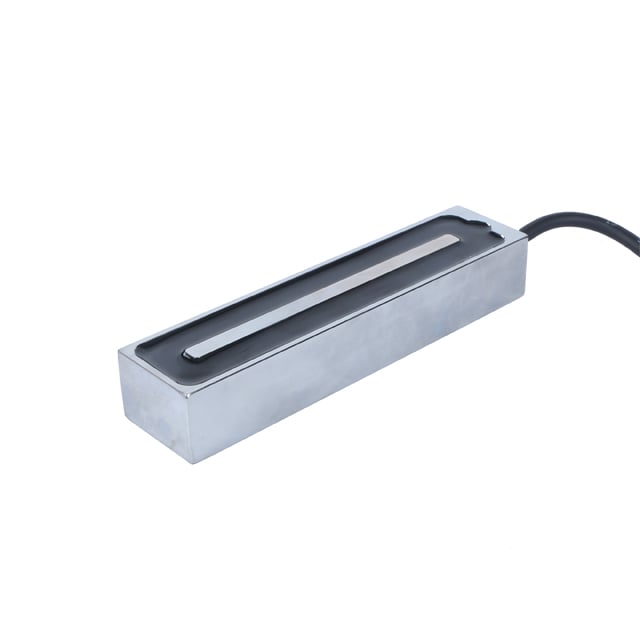
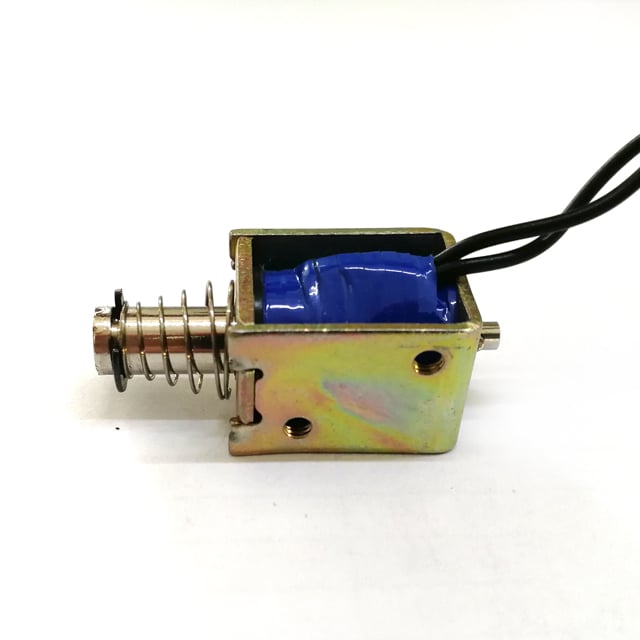
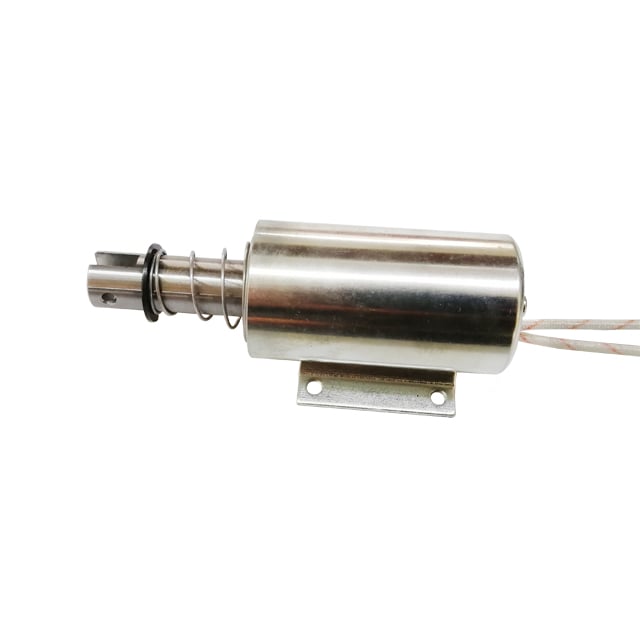
Electric Induction Coil Technology & Solutions

Get a Free Quote

Our representative will contact you soon.
Email
Name
Company Name
Message
0/1000

electric induction coil

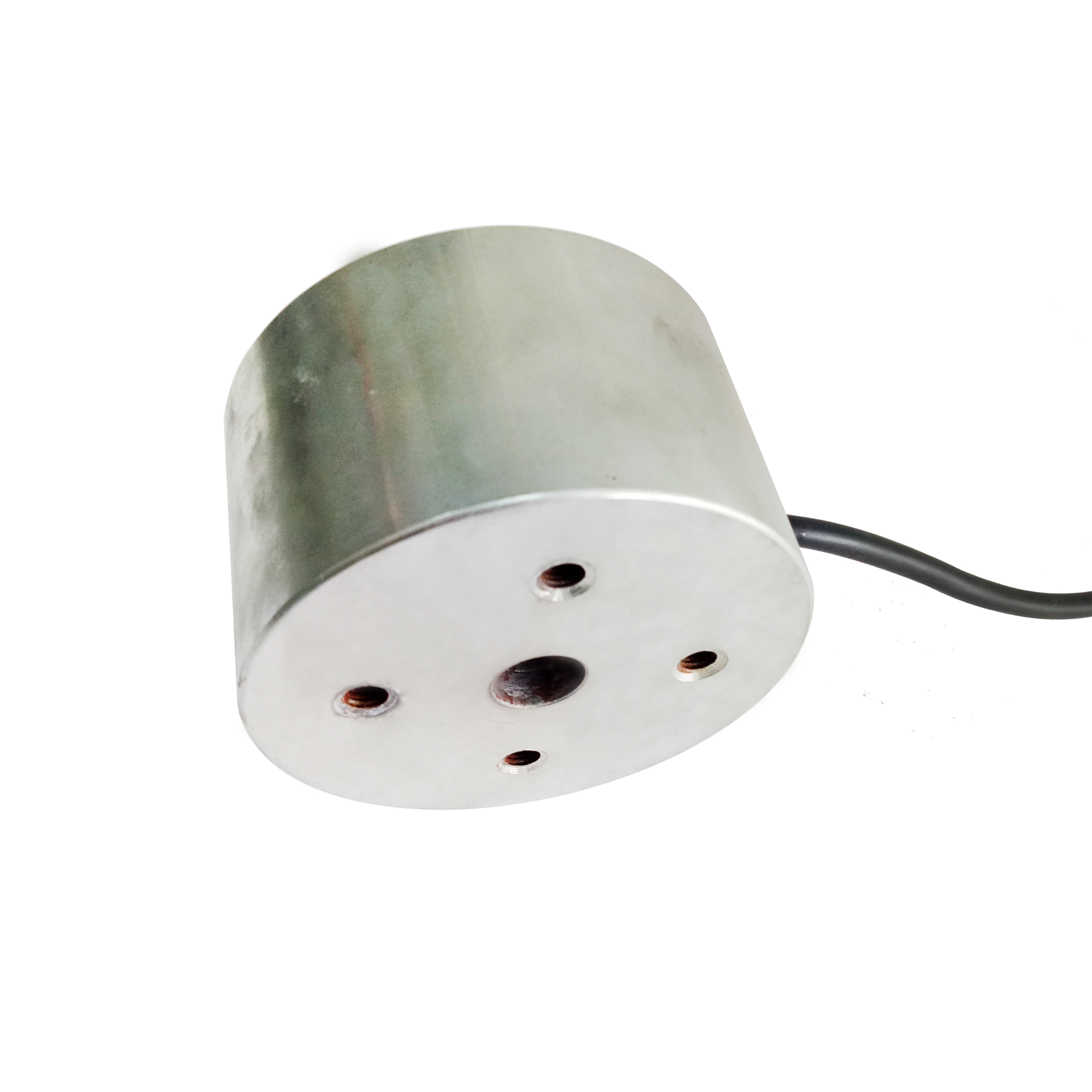
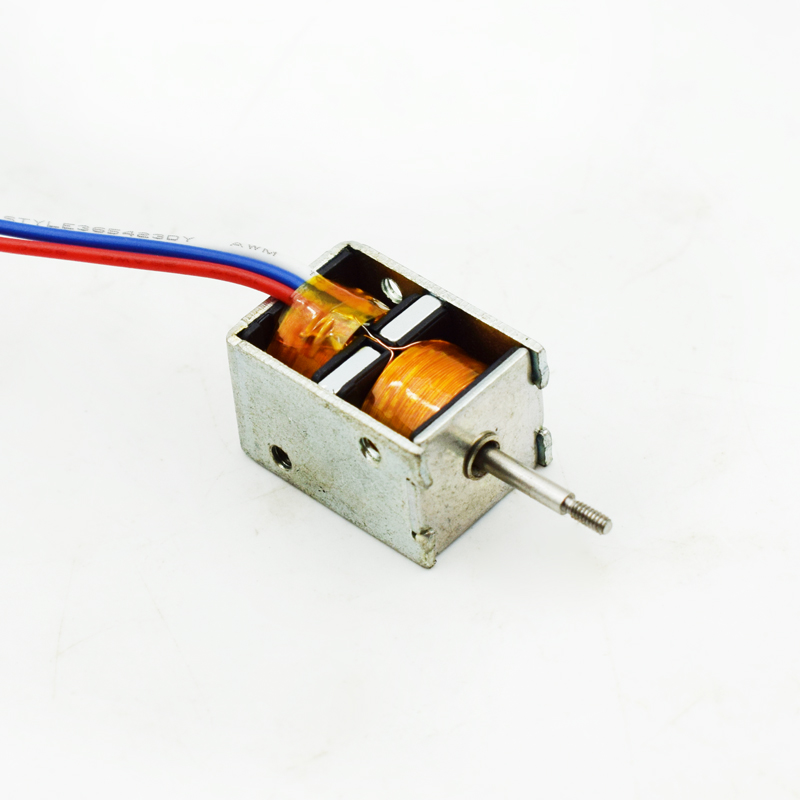
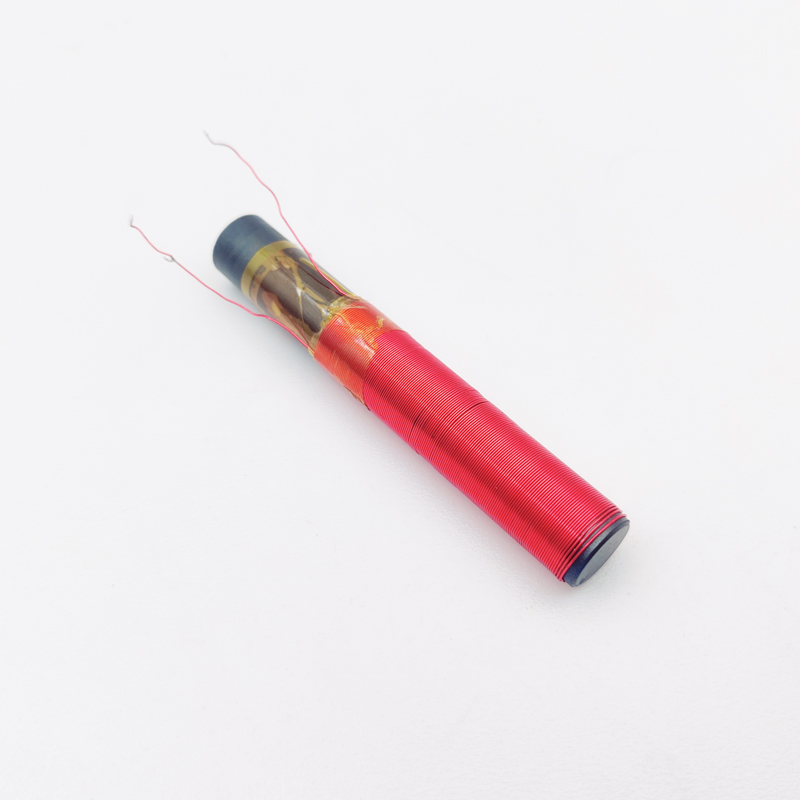
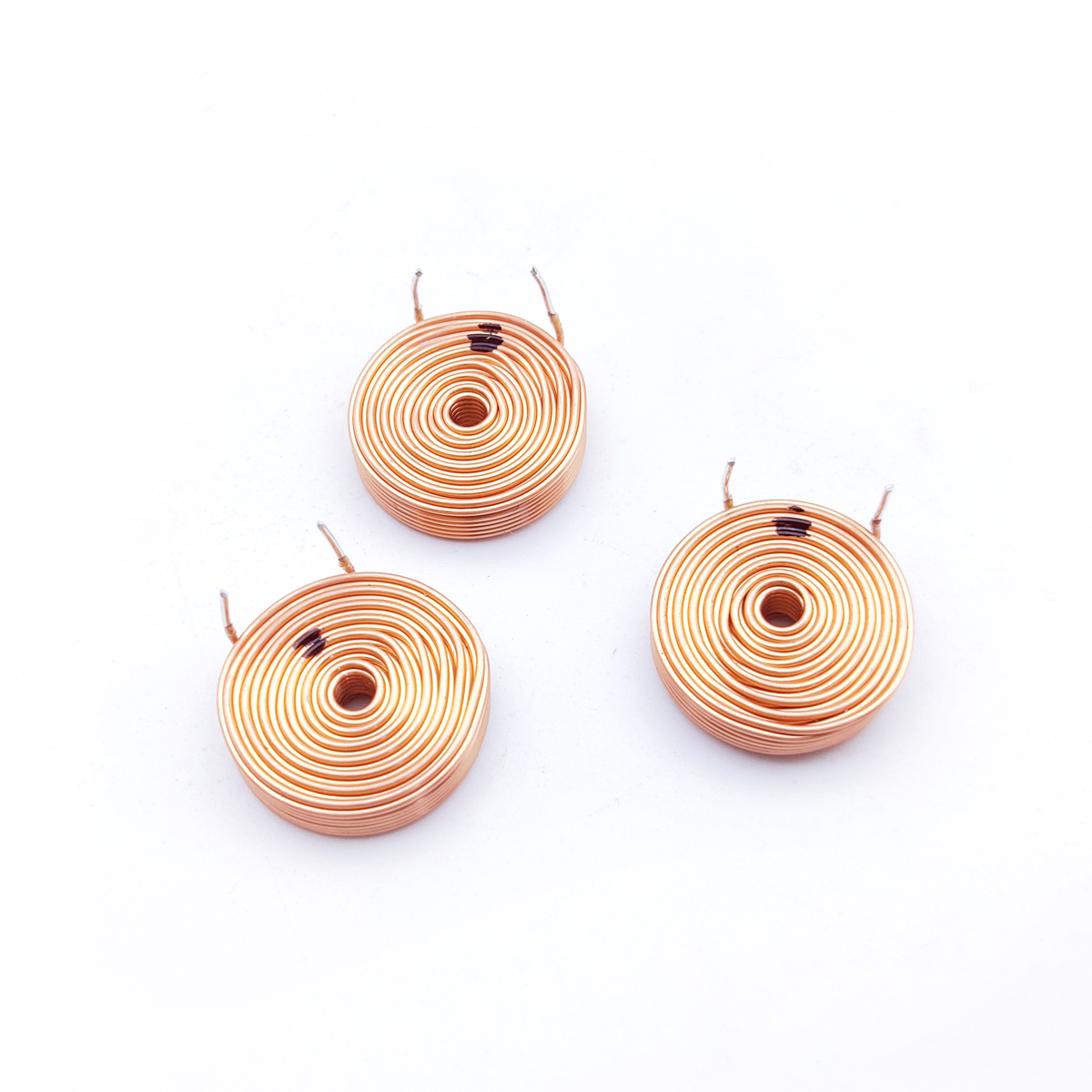
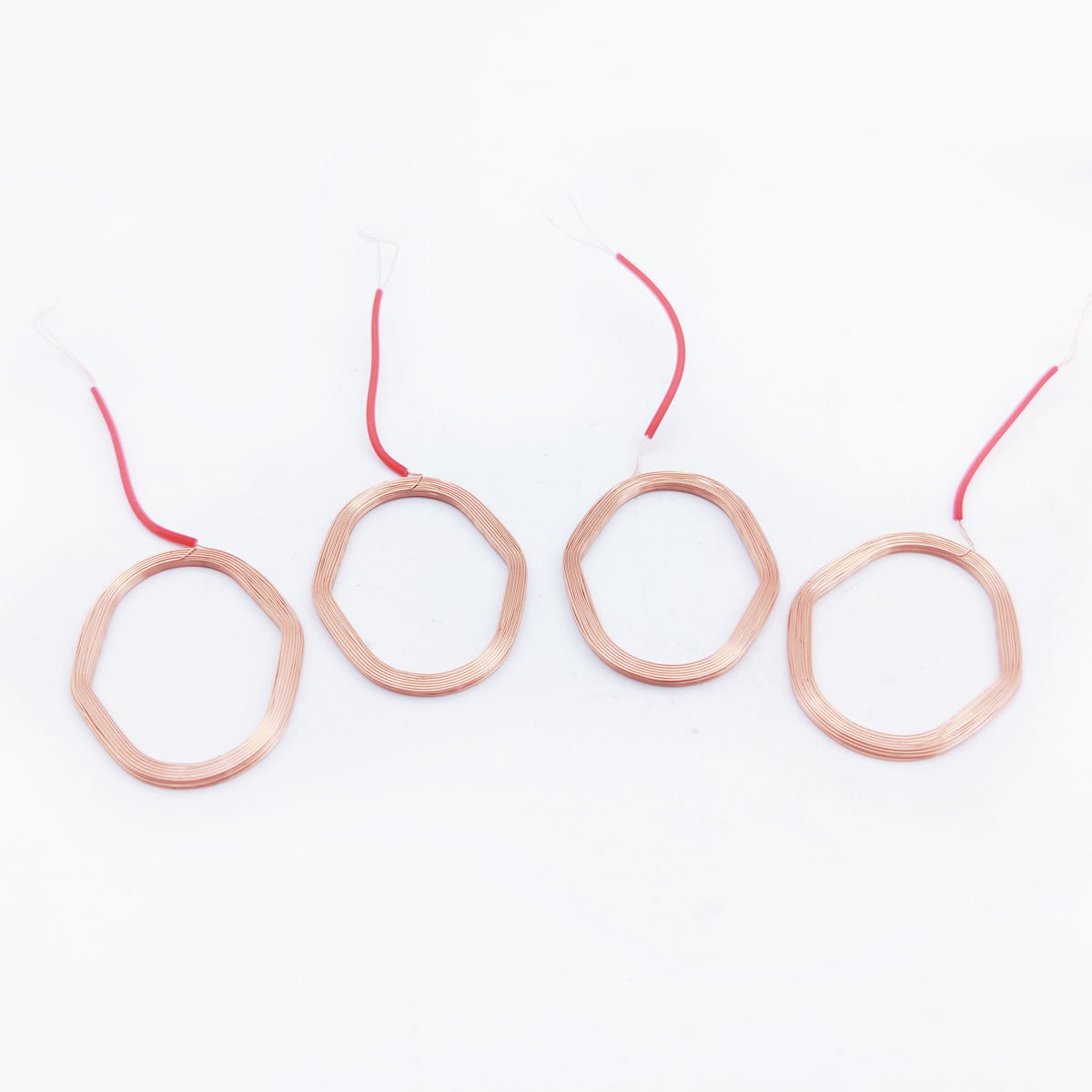
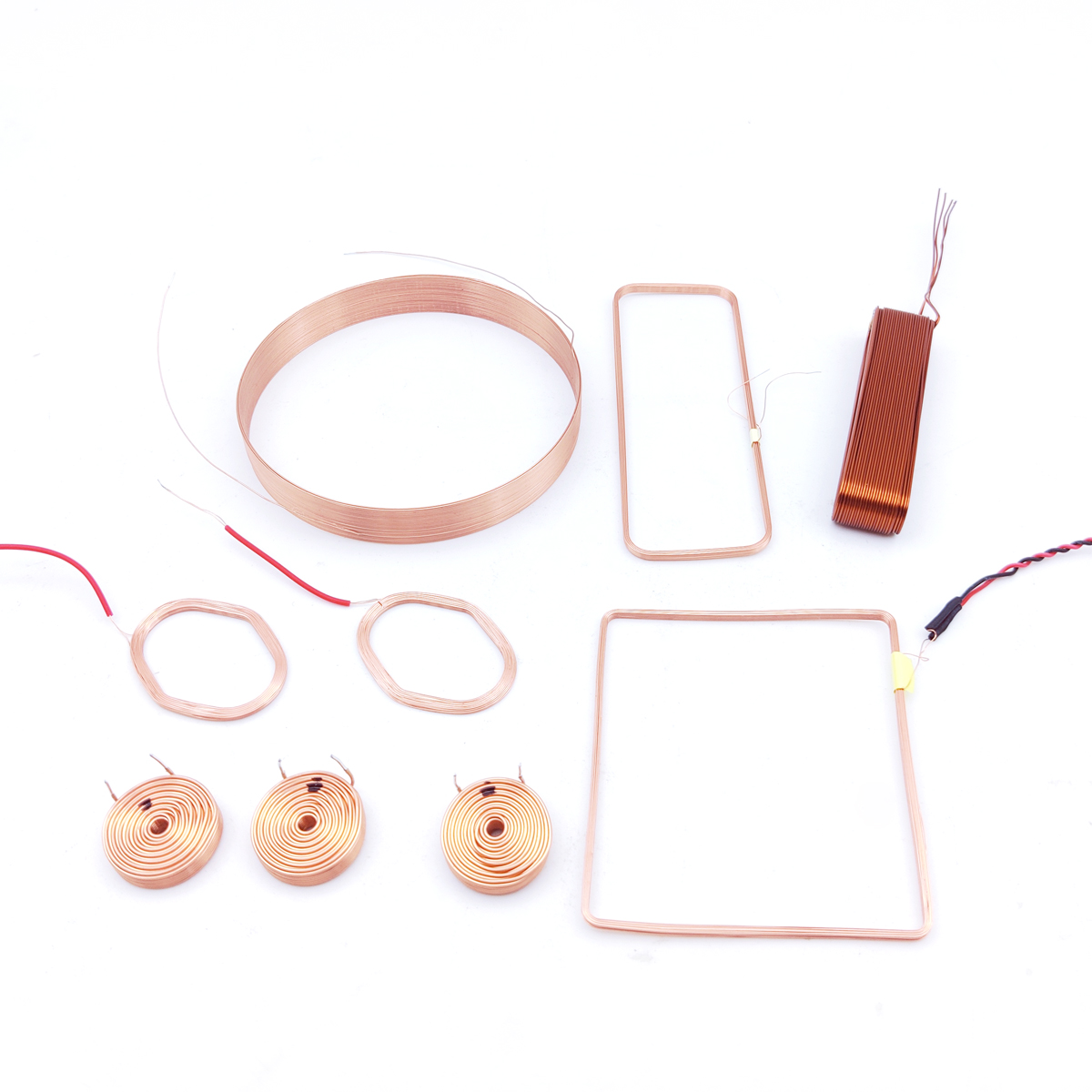
An electric induction coil is a sophisticated electromagnetic device that converts electrical energy into magnetic fields through the principle of electromagnetic induction. This technology utilizes alternating current flowing through copper windings to generate powerful magnetic fields capable of heating conductive materials without direct contact. The electric induction coil serves as the core component in induction heating systems, making it indispensable across manufacturing, metalworking, and industrial processing sectors. The device operates by creating eddy currents within metallic workpieces, producing rapid and localized heating effects. Modern electric induction coil designs incorporate advanced cooling systems, precision-wound copper tubing, and optimized geometries to maximize energy transfer efficiency. These coils can be customized in various configurations including solenoid, pancake, and split designs to accommodate different heating applications. The technological features of an electric induction coil include adjustable frequency ranges, variable power outputs, and integration capabilities with automated production lines. Applications span from metal hardening and brazing to plastic welding and semiconductor manufacturing. The electric induction coil provides exceptional temperature control, enabling operators to achieve precise heating patterns for critical processes. Industries rely on this technology for its ability to deliver consistent results while minimizing thermal distortion. Whether used in automotive component manufacturing, aerospace part treatment, or jewelry making, the electric induction coil represents a fundamental advancement in non-contact heating technology that continues to evolve with emerging industrial demands.

New Product Releases

The electric induction coil delivers substantial energy savings compared to traditional heating methods, reducing operational costs by up to 50 percent through efficient direct heating of workpieces. This efficiency translates into lower electricity bills and improved profit margins for manufacturers. The technology eliminates heat loss associated with open flames or resistance heating, concentrating energy exactly where needed. Faster heating cycles mean increased productivity, allowing businesses to process more parts per hour without compromising quality. The electric induction coil offers superior workplace safety by eliminating open flames, reducing fire hazards, and keeping surrounding areas cool during operation. Operators work in more comfortable conditions without exposure to excessive ambient heat. The precise temperature control enables consistent product quality, reducing reject rates and material waste. Each heating cycle can be replicated exactly, ensuring uniform results across production runs. The compact footprint of an electric induction coil system saves valuable floor space compared to bulky furnaces or ovens. Installation flexibility allows integration into existing production lines without major facility modifications. Maintenance requirements remain minimal due to the absence of combustion components, reducing downtime and service costs. The electric induction coil adapts to various materials including steel, aluminum, copper, and brass, making it versatile for diverse manufacturing needs. Environmental benefits include zero emissions at the point of use, contributing to cleaner production facilities and compliance with environmental regulations. The technology supports automated processes through programmable controls, enabling consistent operation with minimal human intervention. Quick startup and shutdown capabilities allow on-demand heating without lengthy warm-up periods, further enhancing operational flexibility and responsiveness to production schedules.

Latest News

What determines electromagnet holding force and duty cycle?

29

Jun

What determines electromagnet holding force and duty cycle?

View More
Sourcing solenoids: what B2B buyers should look for in a supplier

29

Jun

Sourcing solenoids: what B2B buyers should look for in a supplier

View More
How to select a 12V solenoid for battery-powered systems?

29

Jun

How to select a 12V solenoid for battery-powered systems?

View More
Ferrite core coil selection: material grades and their real-world impact

29

Jun

Ferrite core coil selection: material grades and their real-world impact

View More

Get a Free Quote

Our representative will contact you soon.
Email
Name
Company Name
Message
0/1000

electric induction coil

Rapid Heating Technology

Rapid Heating Technology

The electric induction coil achieves heating speeds that surpass conventional methods by generating electromagnetic fields that penetrate directly into conductive materials. This direct energy transfer eliminates the intermediate steps required by radiant or convective heating, delivering temperature increases in seconds rather than minutes. Manufacturing operations benefit from dramatically reduced cycle times, enabling higher throughput without additional equipment investment. The rapid response characteristics of an electric induction coil allow for precise thermal profiling, where specific areas of a workpiece reach target temperatures while adjacent sections remain cool. This selective heating capability proves invaluable for processes like gear tooth hardening, shaft surface treatment, and localized stress relieving. The technology accommodates both thin-walled delicate components and massive industrial parts through frequency and power adjustments. Production managers appreciate the predictable heating rates that facilitate accurate scheduling and capacity planning. The elimination of thermal lag associated with mass heating equipment means processes can start and stop instantly, reducing energy waste during production gaps and improving overall equipment effectiveness metrics.
Enhanced Energy Efficiency

Enhanced Energy Efficiency

Energy efficiency stands as a defining advantage of the electric induction coil, with conversion rates exceeding 90 percent compared to 45-55 percent for gas-fired systems. This remarkable efficiency stems from the direct coupling of electromagnetic energy into the workpiece without heating the surrounding air or fixtures. Facilities implementing electric induction coil technology report measurable reductions in energy consumption, contributing to sustainability goals and cost competitiveness. The targeted heating approach means only the necessary portion of material reaches processing temperature, avoiding waste associated with batch heating entire furnaces. Modern electric induction coil systems incorporate power factor correction and resonant circuit designs that optimize electrical consumption across varying load conditions. The absence of thermal mass in the heating element itself allows instant on-off capability without energy penalties for maintaining standby temperatures. Environmental impact assessments consistently favor electric induction coil installations due to reduced carbon footprints, especially when powered by renewable energy sources. Return on investment calculations typically show payback periods of 12-24 months through energy savings alone, making the technology financially attractive even before considering productivity gains and quality improvements.
Precise Temperature Control

Precise Temperature Control

The electric induction coil provides unmatched temperature control precision through real-time power modulation and feedback systems that maintain exact thermal conditions. Advanced controllers monitor workpiece temperature via pyrometers or thermocouples, automatically adjusting current and frequency to compensate for variations in material properties or ambient conditions. This closed-loop control ensures every part receives identical heat treatment, critical for components with strict metallurgical specifications. Industries manufacturing safety-critical parts such as aircraft components, medical devices, and automotive transmission elements rely on the repeatability that electric induction coil systems deliver. The technology prevents overheating damage that compromises material properties while ensuring complete processing to meet hardness or bonding requirements. Operators can store multiple heating profiles in system memory, enabling quick changeovers between different part types without manual parameter adjustments. Quality assurance personnel benefit from detailed process documentation automatically generated by modern electric induction coil controllers, providing traceability for regulatory compliance. The fine-grained control extends product consistency across shifts and operators, reducing skill-dependent variations that plague manual heating processes and establishing standardized outcomes that strengthen brand reputation.

Get a Free Quote

Our representative will contact you soon.
Email
Name
Company Name
Message
0/1000