push solenoid
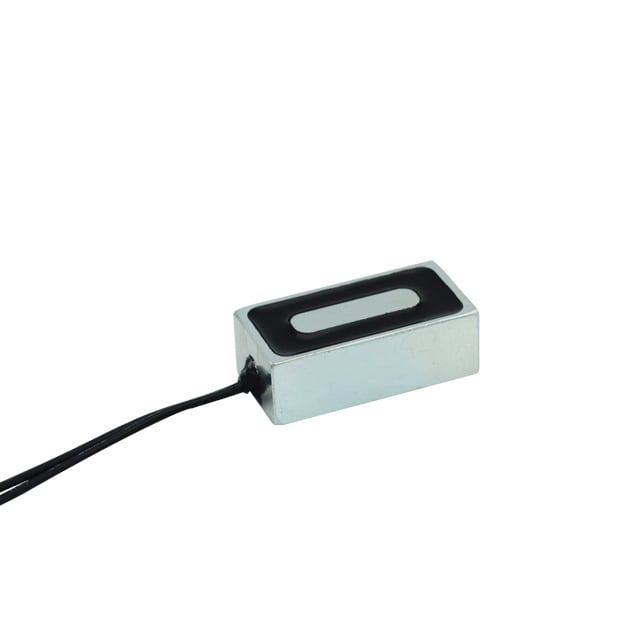
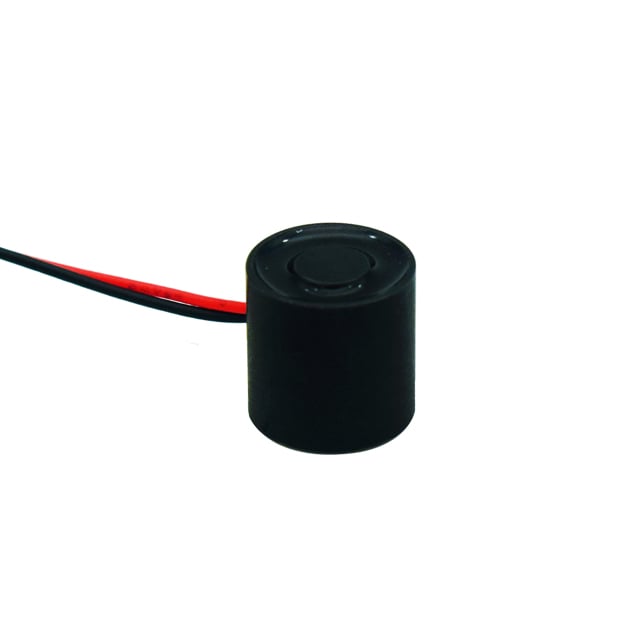
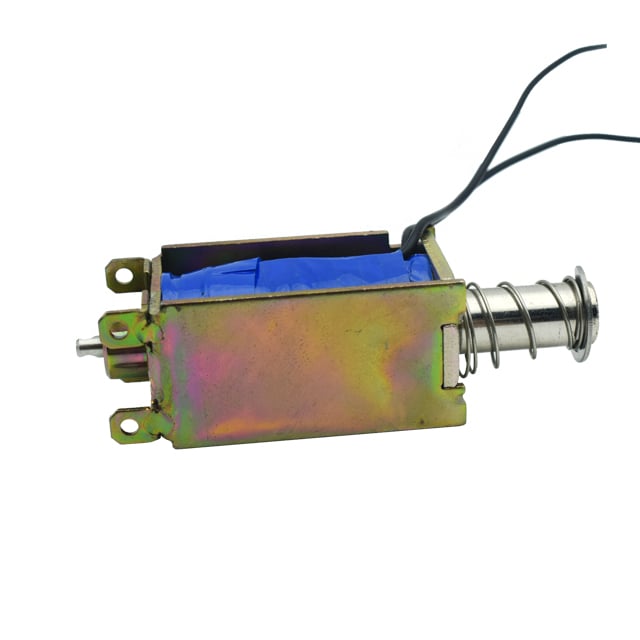
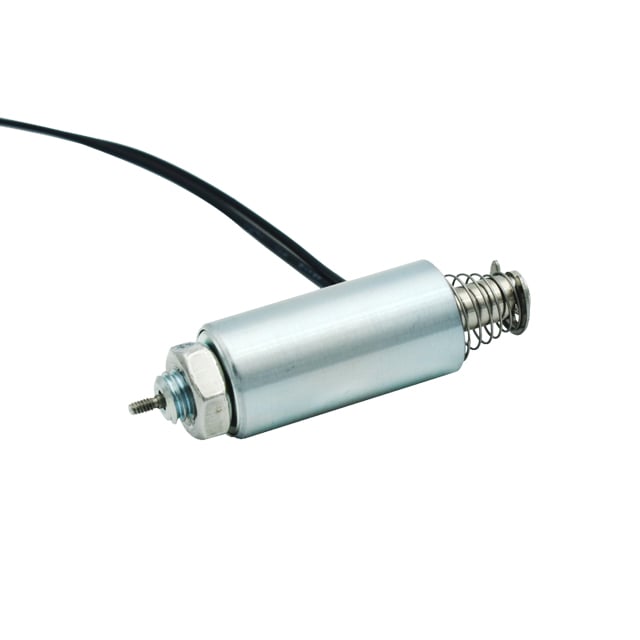
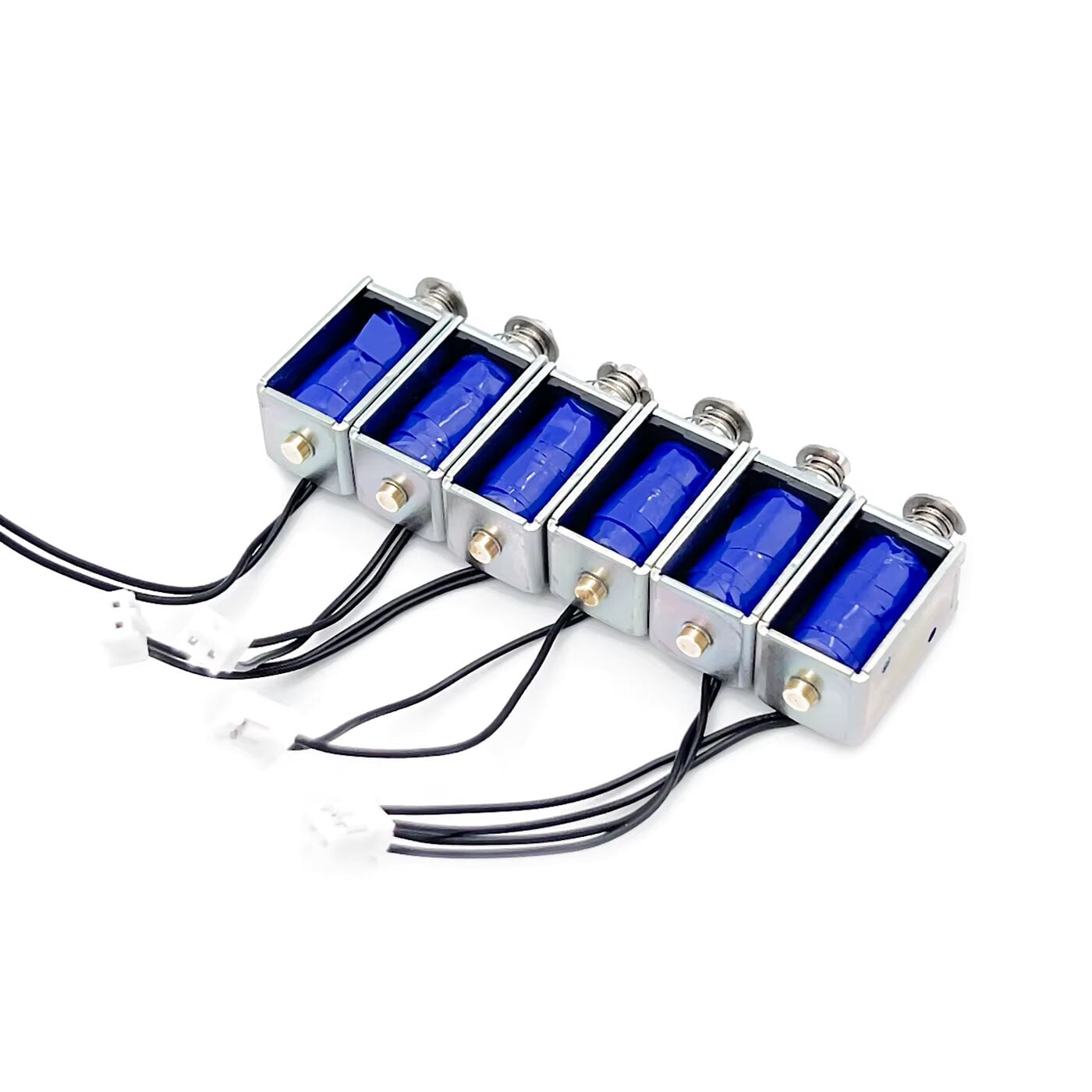
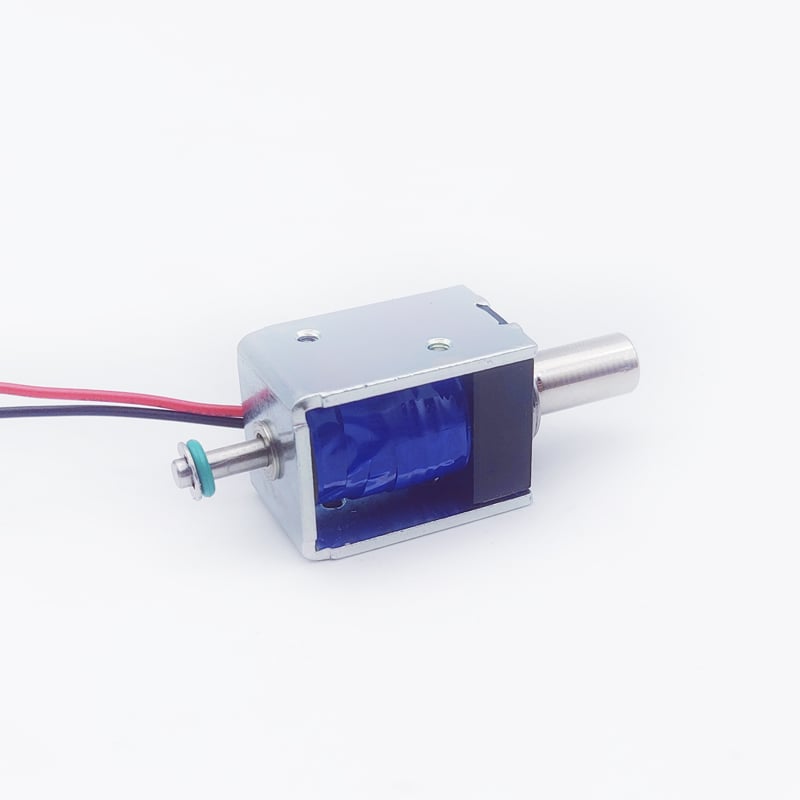
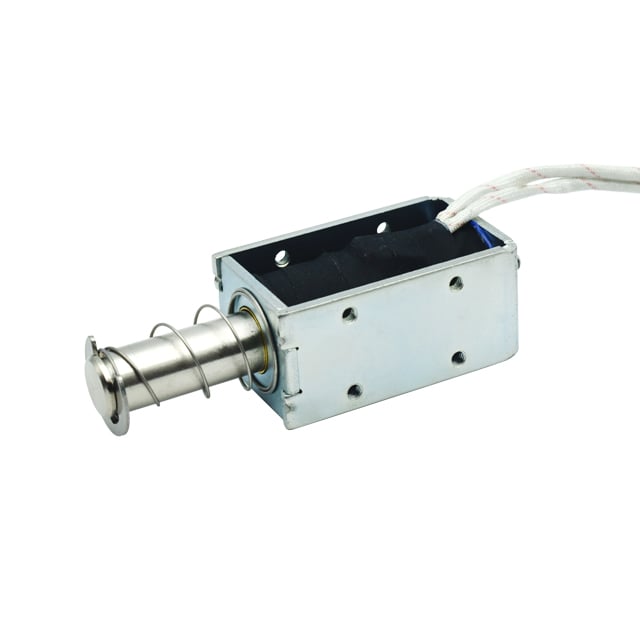
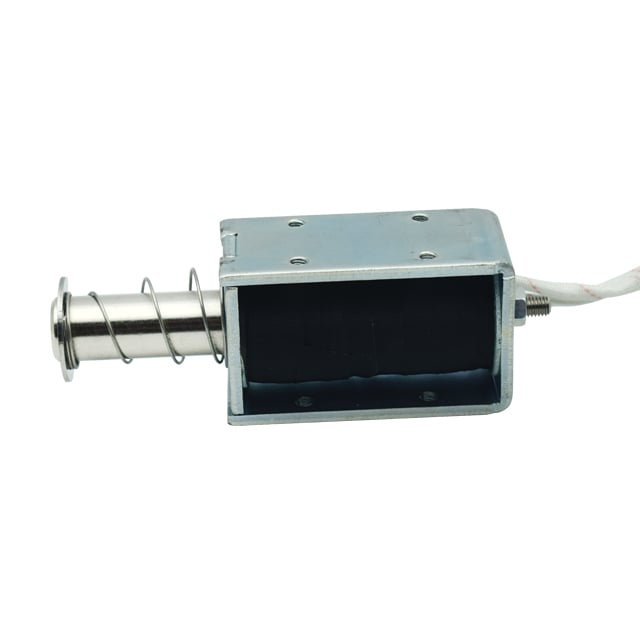
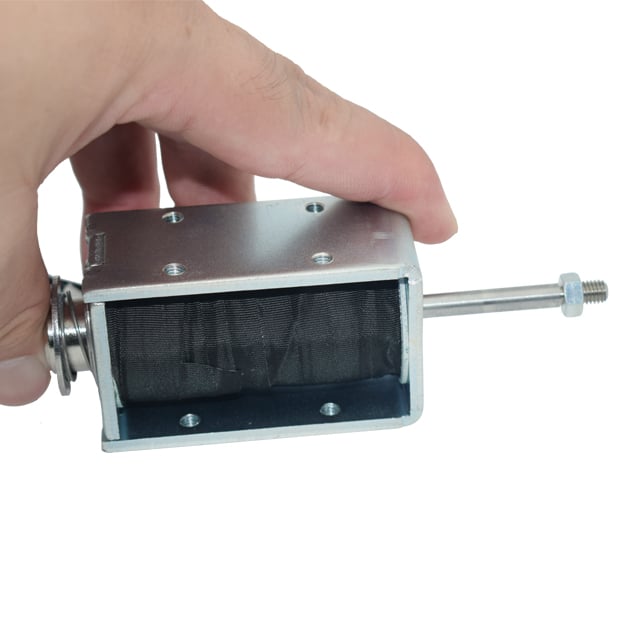
A push solenoid is an electromagnetic actuator designed to convert electrical energy into linear mechanical motion, specifically pushing or extending a plunger outward when energized. This essential electromechanical component consists of a coil, movable plunger, housing, and return spring mechanism that work together to deliver precise, controlled linear force. When electrical current flows through the coil, it generates a magnetic field that propels the plunger forward, creating the pushing action that gives the push solenoid its name. These devices are engineered for durability and consistent performance across thousands of operational cycles. The push solenoid features robust construction with materials selected for electromagnetic efficiency and mechanical strength, ensuring reliable operation in demanding environments. Modern push solenoid designs incorporate advanced engineering principles to optimize force output, response time, and energy efficiency. The core technological features include adjustable stroke length, variable force ratings, and customizable voltage specifications to match specific application requirements. These actuators operate on various voltage levels, from low-voltage DC applications to standard AC power systems, making them adaptable to diverse electrical infrastructures. The push solenoid finds extensive applications across industrial automation, automotive systems, locking mechanisms, material handling equipment, and medical devices. Its ability to deliver rapid, repeatable linear motion makes it indispensable in sorting systems, valve control, safety interlocks, and automated assembly lines. The compact footprint and straightforward installation process allow integration into space-constrained applications without compromising performance or accessibility for maintenance.
 ×
×

 EN
EN