 ×
×

Security integrators face critical decisions when specifying access control solutions for their clients, and selecting the right solenoid lock is fundamental to system performance and reliability. A solenoid lock serves as the physical enforcement point in any electronic access control system, meaning the wrong choice can compromise security, user experience, and long-term maintenance costs. Understanding what to evaluate during the selection process ensures that your recommended solenoid lock aligns with the facility's security requirements, operational workflow, and budget constraints.
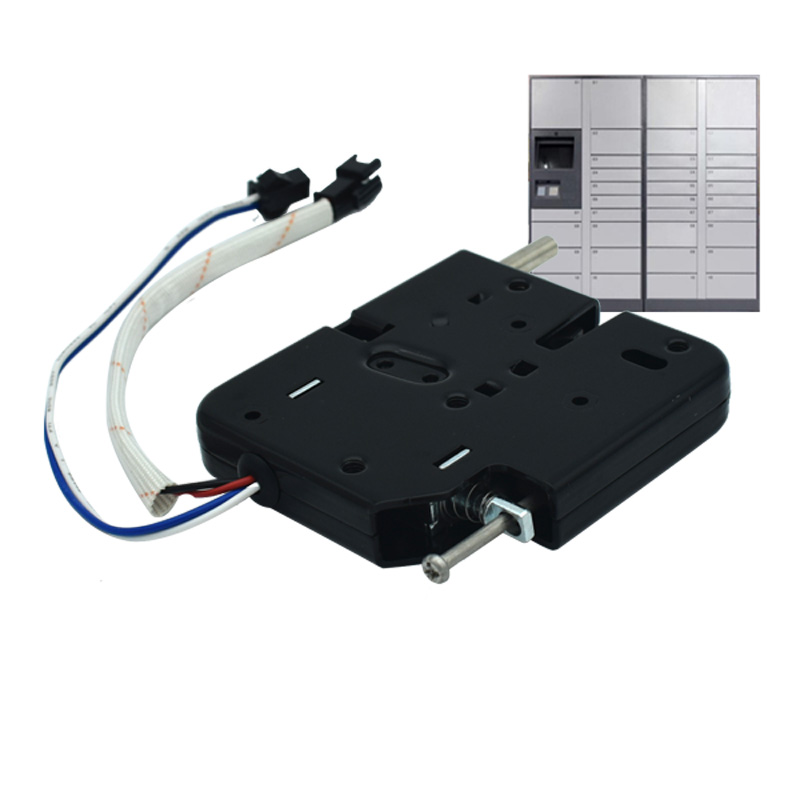
This guide walks security integrators through the essential evaluation criteria for choosing a solenoid lock that will deliver reliable performance in demanding cabinet and enclosure applications. By systematically checking voltage compatibility, mechanical durability, holding force, form factor, and environmental resilience, integrators can confidently specify a solenoid lock that meets the client's functional and budgetary needs while minimizing future service calls and warranty disputes.
The first critical checkpoint when evaluating a solenoid lock is confirming that the voltage rating matches your facility's existing power distribution and control panel specifications. Most solenoid lock models operate on either 12V DC or 24V DC, though some industrial facilities may require 110V or higher configurations. Mismatching voltage creates risk of equipment failure, fire hazard, and system shutdown, so this foundational check cannot be skipped during the selection phase.
Security integrators must examine the building's power conditioning capability and whether a dedicated UPS (uninterruptible power supply) backs up the access control system. If the facility relies on battery backup during power loss, verify that the chosen solenoid lock's power draw aligns with the UPS capacity and runtime requirements. A high-amperage solenoid lock can drain backup power quickly, potentially leaving the facility unsecured if an extended outage occurs, so power consumption benchmarking belongs in every technical specification review.
Beyond voltage rating, confirm that the solenoid lock accepts the control signals native to your access control panel or gateway device. Many modern solenoid lock solutions integrate with 12V or 24V relay outputs directly, while others may require additional signal conditioning or relay modules. Verifying relay compatibility, pulse duration settings, and fail-safe versus fail-secure logic ensures that the solenoid lock will behave predictably under all conditions—locked during power loss or during emergency override scenarios.
The solenoid lock's holding force, typically measured in kilograms or pounds, must exceed the sustained pull or push force that unauthorized users or casual misuse might apply. Cabinet-mounted solenoid lock installations commonly encounter determined users attempting to force entry, so selecting a unit with excess holding capacity above minimum requirement provides a safety margin. Industry best practice recommends choosing a solenoid lock with at least 150% to 200% of the calculated worst-case load to account for wear, environmental stress, and unexpected demand spikes.
Security integrators should also consider the mounting surface material and structural integrity where the solenoid lock will install. A 50-pound holding force solenoid lock mounted to weak material or thin metal will fail prematurely because the mounting itself, not the lock mechanism, becomes the weak point. Conduct a site survey to confirm that the cabinet or door frame can handle the specified solenoid lock load without requiring reinforcement brackets or additional structural modification.
Commercial solenoid lock products typically specify cycle life in terms of thousands of open-close cycles before performance degradation. A heavily used entryway might exceed 100,000 cycles per year, so selecting a solenoid lock rated for at least 500,000 to 1,000,000 cycles prevents premature failure and reduces warranty claims. Low-cost solenoid lock options may advertise adequate holding force but fail mechanically within months when subjected to real-world duty cycles, making this specification check essential to total cost of ownership assessment.
Security integrators must evaluate the operating environment where the solenoid lock will be deployed, checking temperature range, humidity exposure, chemical vapors, and UV radiation that could degrade materials or corrode electrical contacts. A solenoid lock specified for standard office conditions will fail rapidly if installed in a parking garage, loading dock, or outdoor cabinet exposed to salt spray or industrial solvents. Verify that the solenoid lock's enclosure rating—typically IP65 or IP67—provides adequate sealing against moisture infiltration and dust accumulation that causes electrical faults and mechanical corrosion.
Cabinet-mounted solenoid lock solutions in humid or corrosive environments must use stainless steel or powder-coated hardware to resist oxidation and surface degradation. Standard mild steel components on a solenoid lock will rust internally within months in marine or coastal applications, causing electrical leakage, intermittent operation, and eventual failure. Taking time during the selection phase to specify environmental-grade solenoid lock materials prevents surprise field replacements and protects your company's service reputation.
The physical dimensions and form factor of the solenoid lock determine whether it fits within the cabinet or door frame without expensive modifications or fabrication delays. Integrators must verify that the solenoid lock's strike plate, bolt extension, and connector routing do not interfere with existing hardware, cable runs, or internal components. A solenoid lock that requires custom mounting brackets or deep door frame modification can transform a simple installation into a costly problem, so early dimensional verification saves both time and budget during project execution.
The voltage selection depends on your facility's available power distribution and control panel specifications. Most commercial installations use 12V DC or 24V DC, with 24V providing better noise immunity in industrial environments with electrical noise. Confirm that your power supply has adequate capacity to support the solenoid lock's inrush current during activation, and verify UPS backup support if loss of access during power failure poses a security or operational risk.
Calculate the expected maximum force that an unauthorized user might apply against the door or cabinet, then specify a solenoid lock with holding force exceeding that requirement by at least 50%. For cabinet applications, a 25 to 50-pound holding force solenoid lock typically provides adequate security for general office and commercial environments, while high-security applications or outdoor installations may require 75 to 100-pound units. Always verify that the mounting surface and frame can physically support the specified solenoid lock load without failure.
Evaluate temperature extremes, humidity levels, chemical vapors, salt spray, UV exposure, and mechanical vibration in the intended installation location. Choose a solenoid lock with IP65 or IP67 rating for outdoor or humid environments, and specify stainless steel or powder-coated components for corrosive atmospheres. Standard office-grade solenoid lock options may not survive marine, coastal, or industrial chemical exposure, so environmental specification prevents premature failures and warranty disputes.
 Hot News
2026-09-21
2026-09-11
2026-09-08
2026-09-04
2026-09-01
2026-08-24
Zhongshan Landa Technology: ISO9001 & UL-certified manufacturer of custom electromagnets, push-pull solenoids, and induction coils for automation, medical, auto & appliances. Trusted global partner since 2008.
3F, Building 4, No.8 North Industrial Avenue Xiaolan, Xiaolan Town, Zhongshan, Guangdong, China
Copyright © Zhongshan Landa Technology Co., Ltd All Rights Reserved Privacy Policy

 EN
EN