 ×
×

Choosing the right electronic locking mechanism for your facility, cabinet, or access control system requires understanding where each technology excels. A solenoid lock represents a specific class of electromagnetic locking device that outperforms alternative electronic mechanisms in particular scenarios. Understanding the distinct advantages of a solenoid lock helps facility managers, security integrators, and equipment designers make informed decisions about deployment. This guide explores the specific applications and environments where a solenoid lock is the superior choice compared to other electronic locking technologies.
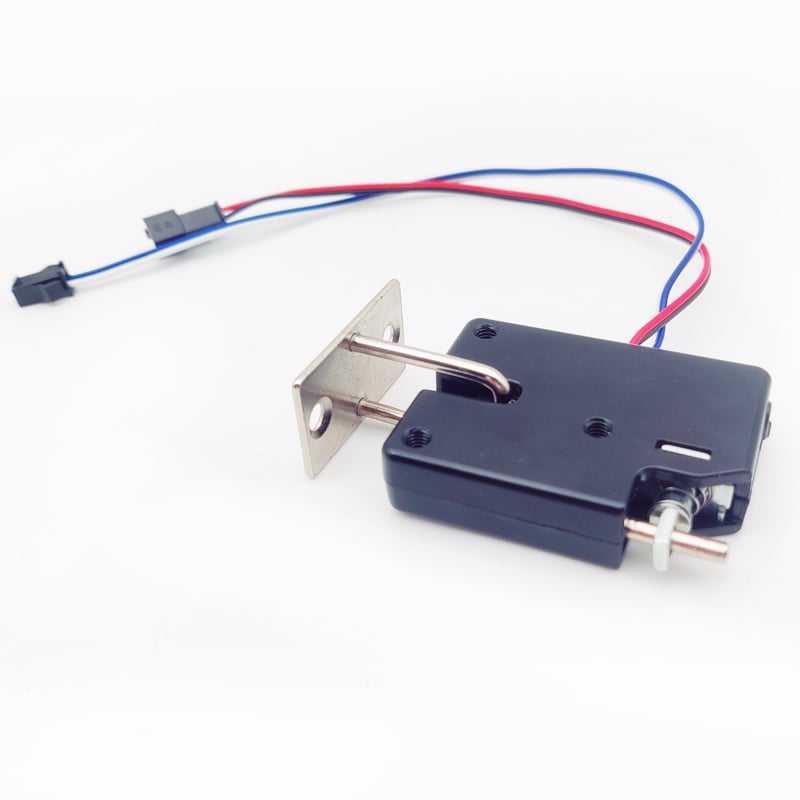
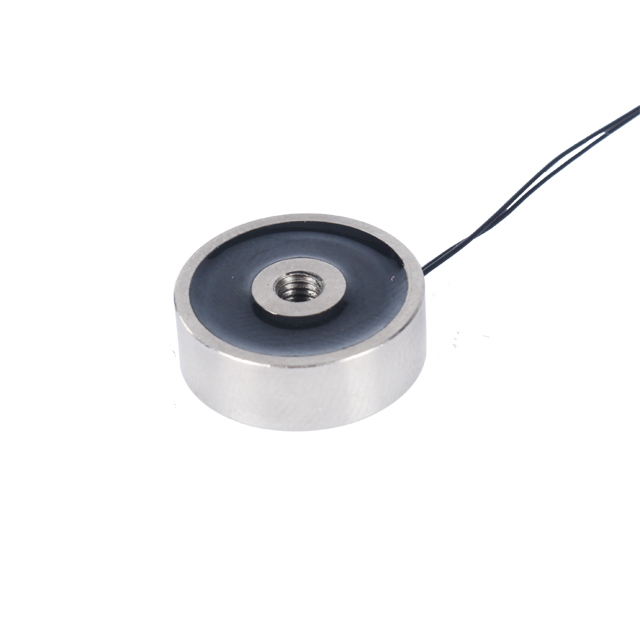
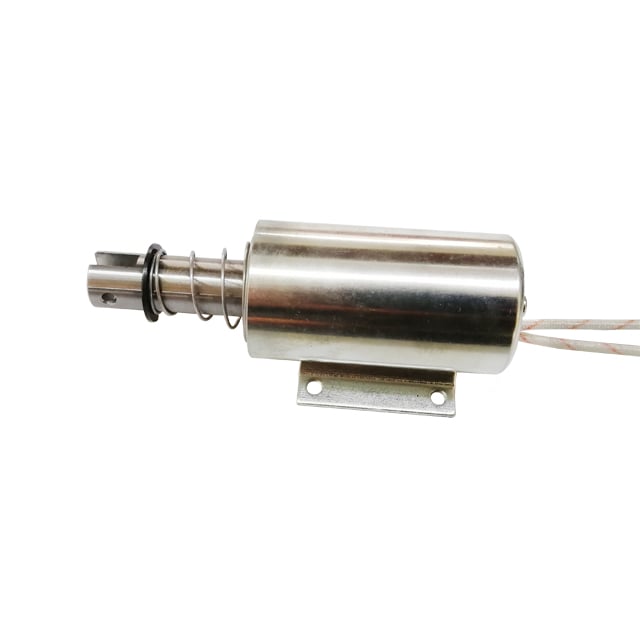
The performance characteristics of a solenoid lock differ significantly from card readers, biometric systems, mechanical keypads, and other electronic alternatives. A solenoid lock operates through a simple electromagnetic principle: energizing a coil creates a magnetic field that either retracts or engages a locking bolt. This fundamental design delivers unique operational advantages in specific environments and use cases. Recognizing where a solenoid lock truly excels allows organizations to optimize security infrastructure, reduce total cost of ownership, and ensure reliable access control across diverse facility types and security requirements.
In busy commercial facilities, warehouses, and manufacturing plants, a solenoid lock proves exceptionally reliable due to its mechanical simplicity and minimal maintenance requirements. Unlike biometric systems that require regular cleaning and calibration, or card readers that accumulate wear from constant use, a solenoid lock functions consistently through repetitive access cycles. Industrial environments with dust, temperature fluctuations, and vibration pose challenges to complex electronic mechanisms, yet a solenoid lock maintains performance under these demanding conditions. The robust design of a solenoid lock makes it ideal for loading dock doors, equipment cabinets, secured storage areas, and emergency exit pathways in facilities processing thousands of daily transactions.
Emergency scenarios demand absolute reliability and fail-safe operation that a solenoid lock provides inherently. During power failures, a solenoid lock can be configured to unlock automatically, ensuring occupants can exit safely without relying on backup power systems or manual overrides. Fire departments, hospitals, and emergency facilities specifically prefer a solenoid lock because its operation requires minimal electrical power and can integrate seamlessly with emergency alarm systems. In scenarios where life safety depends on lock functionality, the predictable behavior and simple electromagnetic operation of a solenoid lock eliminates risks associated with software failures, network interruptions, or complex electronic component degradation that plague advanced locking systems.
A solenoid lock represents one of the most economical electronic locking solutions available, with acquisition costs significantly lower than biometric readers, smart card systems, or networked access control platforms. Beyond initial purchase price, operating expenses remain minimal because a solenoid lock demands virtually no maintenance, requires no software licensing, and operates independently without network infrastructure. Organizations deploying access control across multiple facilities, vehicles, or equipment types benefit substantially from the cost efficiency of a solenoid lock compared to integrated systems requiring extensive installation, programming, and ongoing technical support. Government agencies, educational institutions, and small-to-medium enterprises frequently select a solenoid lock specifically because the total cost of ownership remains predictable and manageable across large-scale deployments.
Upgrading existing facilities to electronic access control often requires compatibility with older infrastructure, non-standard door frames, or equipment designed before advanced locking systems became commonplace. A solenoid lock's simple installation requirements and flexible mounting options make it the preferred choice for retrofitting traditional mechanical locks. Unlike biometric systems requiring dedicated power circuits and network connectivity, or smart locks requiring smartphone compatibility and cloud services, a solenoid lock integrates easily into legacy installations using basic electrical wiring and conventional door hardware. Facility maintenance teams appreciate how a solenoid lock can be installed rapidly without extensive construction, system integration, or technical customization that other electronic mechanisms demand.
Industrial environments expose electronic equipment to extreme temperatures, moisture, chemical exposure, and electromagnetic interference that compromise many sophisticated locking systems. A solenoid lock maintains operational reliability in these demanding conditions because its design contains fewer sensitive components vulnerable to environmental degradation. Outdoor facilities, refrigerated storage areas, chemical processing plants, and marine environments all utilize a solenoid lock successfully where alternative electronic mechanisms would fail or require expensive protective enclosures. The inherent durability of a solenoid lock design means it can operate continuously in temperature ranges from well below freezing to extreme heat without requiring specialized environmental controls or frequent recalibration.
Deploying a solenoid lock requires only basic electrical knowledge and standard tools, whereas smart locks, networked systems, and biometric readers demand specialized technical expertise and prolonged commissioning periods. A solenoid lock can be installed by facility maintenance personnel or general contractors without requiring certification, specialized training, or manufacturer-provided installation services. This accessibility makes a solenoid lock attractive for organizations operating with limited IT staff, remote locations lacking specialized technicians, or environments where system downtime for complex installations creates operational disruption. The straightforward operation of a solenoid lock also means troubleshooting and repairs can often be completed by internal staff rather than requiring emergency service calls or specialized technical support.
A solenoid lock outperforms card readers in high-traffic environments, cost-sensitive applications, and facilities with minimal IT infrastructure. Card readers require network connectivity, central management systems, and database administration that increase complexity and costs. When organizations prioritize simplicity, reliability, and cost efficiency over sophisticated access logging or credential management, a solenoid lock delivers superior value. Additionally, in environments where card readers would accumulate damage from heavy use or harsh conditions, a solenoid lock's mechanical simplicity proves advantageous.
While a solenoid lock excels at basic locking functions, facilities requiring detailed audit trails, multi-factor authentication, or dynamic permission changes typically benefit more from networked access control systems. However, a solenoid lock can serve as an effective component within larger security ecosystems when integrated with external control mechanisms. Many secure facilities use a solenoid lock for emergency exits, equipment cabinets, and secondary access points while reserving more sophisticated systems for primary entries. The combination of a solenoid lock's reliability with supplementary security measures often provides optimal protection and cost balance.
A solenoid lock requires virtually no routine maintenance beyond occasional electrical connection verification and occasional lubrication of moving components. In contrast, card readers need regular sensor cleaning, biometric systems require recalibration and software updates, and networked locks demand ongoing network security management. Most a solenoid lock failures occur only after years of service, making it significantly more cost-effective than alternative systems requiring regular preventive maintenance, firmware updates, and component replacement. This minimal maintenance requirement makes a solenoid lock ideal for organizations seeking reliable, low-overhead access control solutions.
 Hot News
2026-09-21
2026-09-11
2026-09-08
2026-09-04
2026-09-01
2026-08-24
Zhongshan Landa Technology: ISO9001 & UL-certified manufacturer of custom electromagnets, push-pull solenoids, and induction coils for automation, medical, auto & appliances. Trusted global partner since 2008.
3F, Building 4, No.8 North Industrial Avenue Xiaolan, Xiaolan Town, Zhongshan, Guangdong, China
Copyright © Zhongshan Landa Technology Co., Ltd All Rights Reserved Privacy Policy

 EN
EN