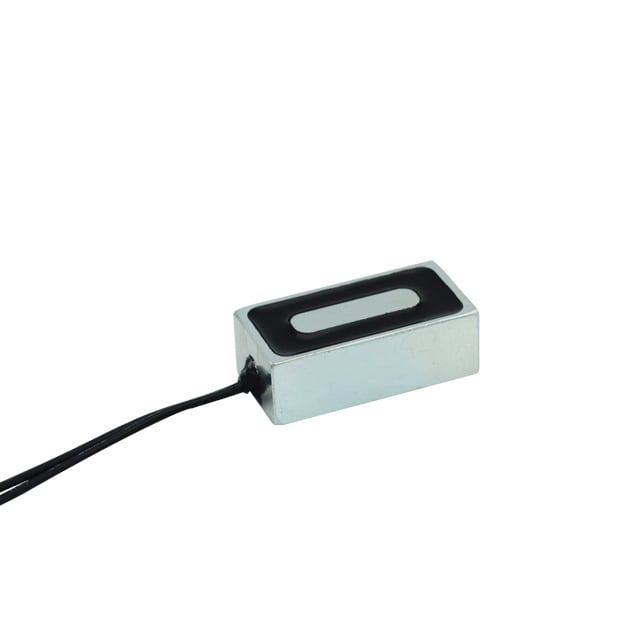
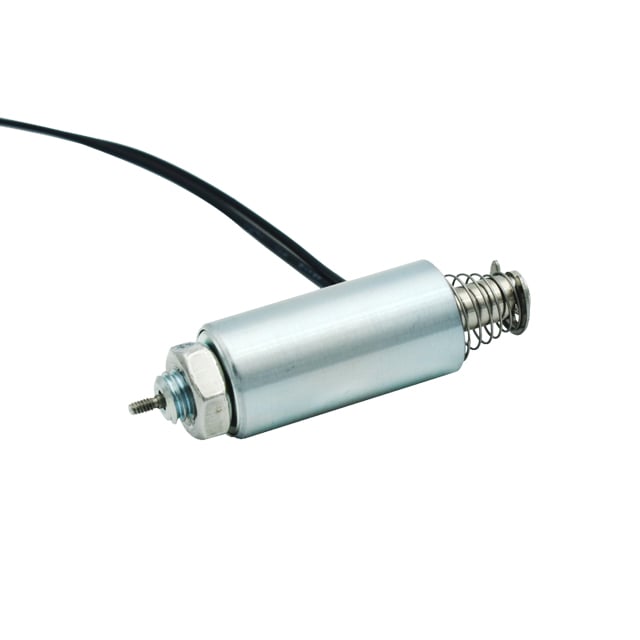
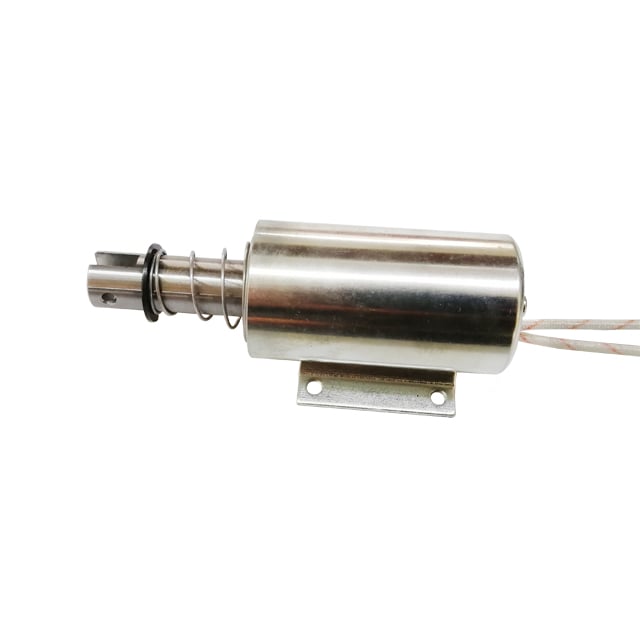
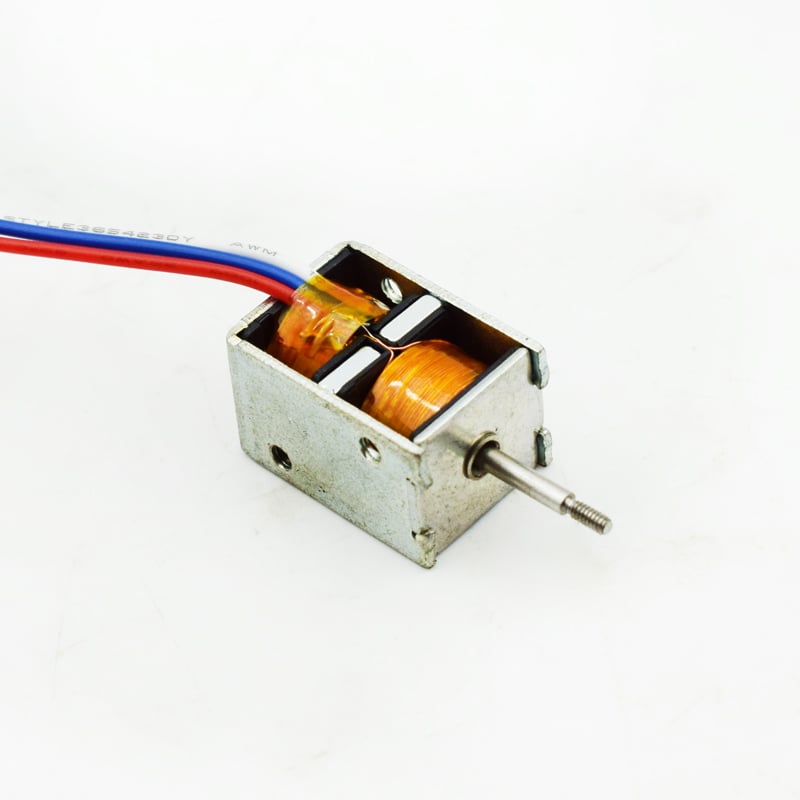
rotary solenoid
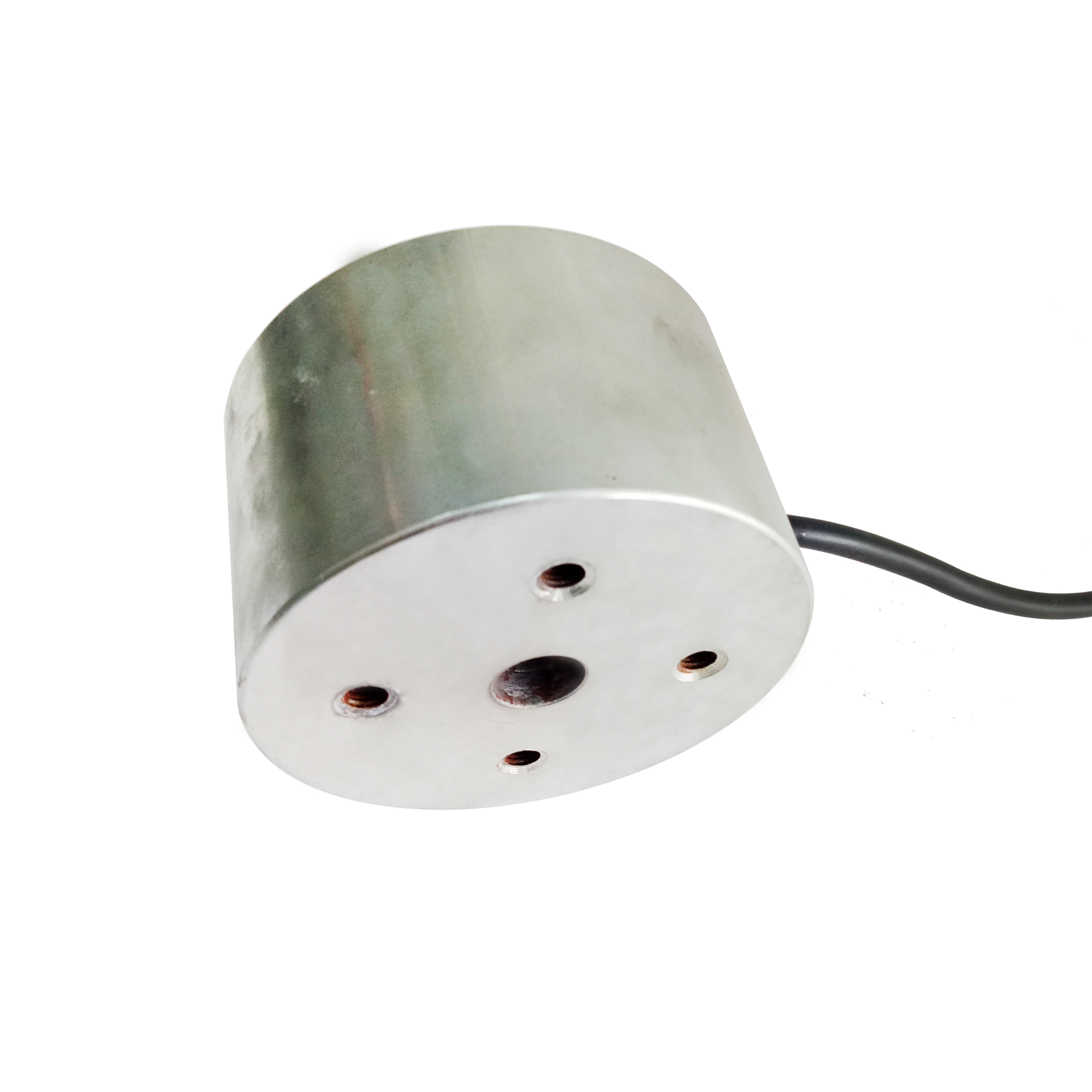
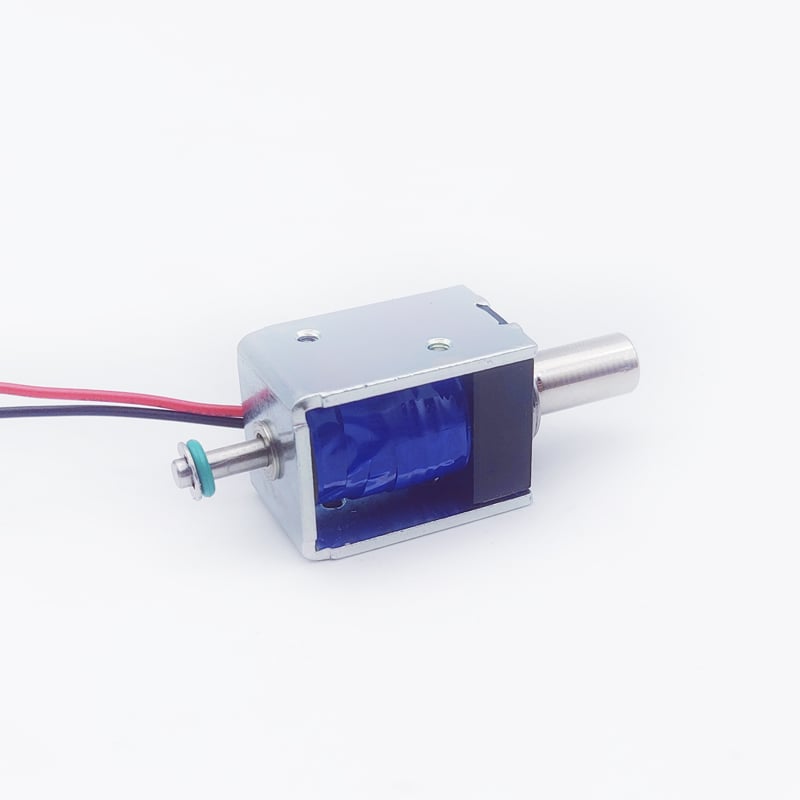
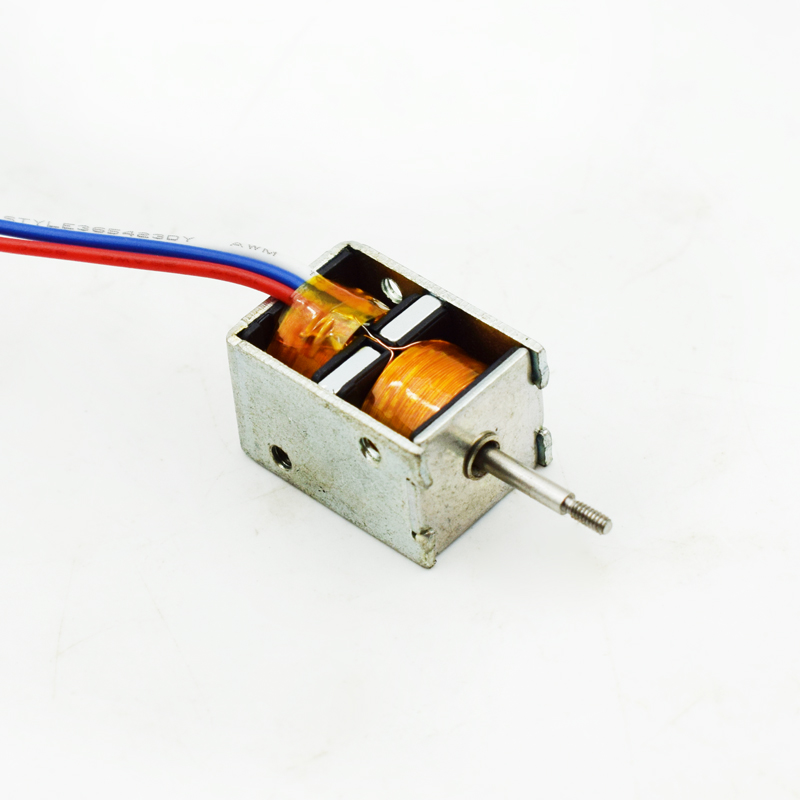
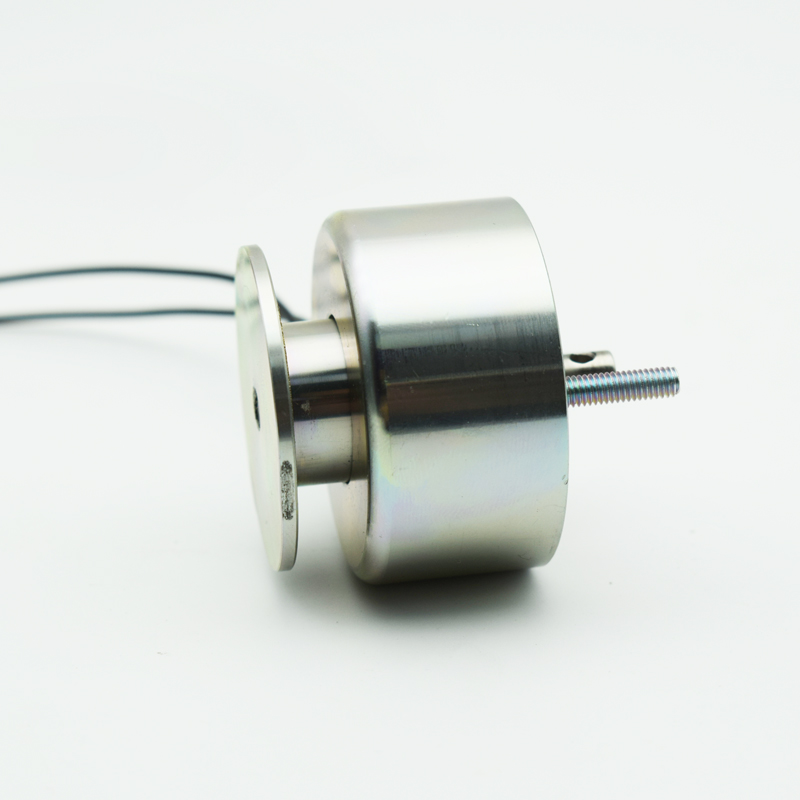
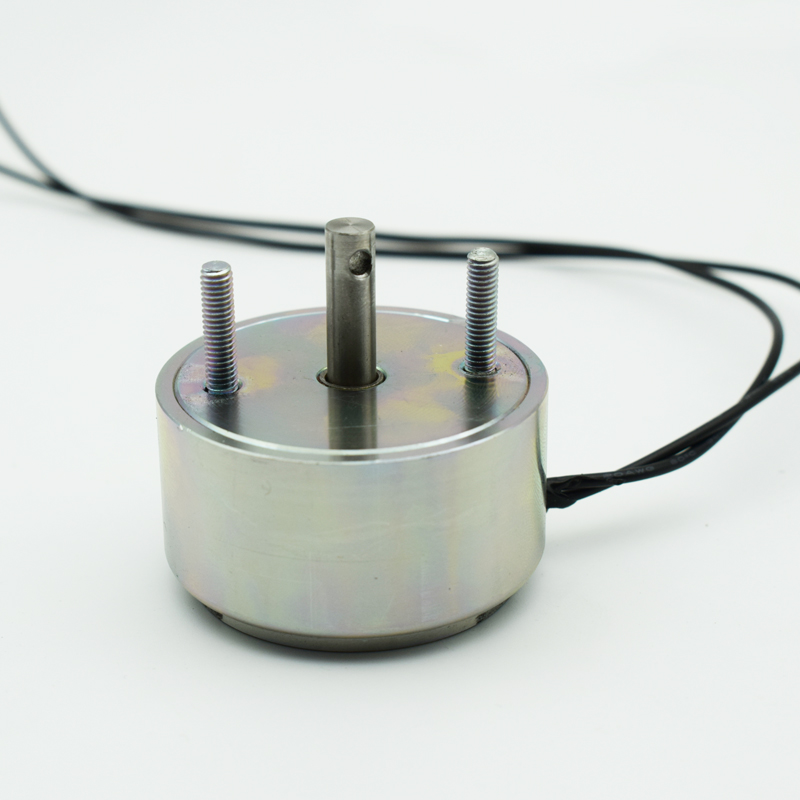
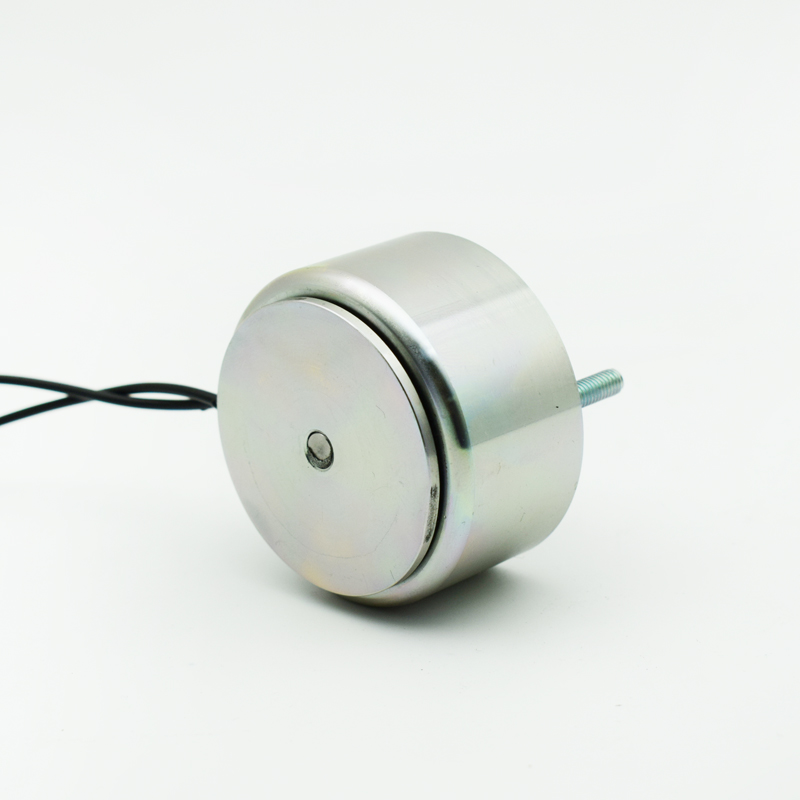
A rotary solenoid is an electromechanical actuator that converts electrical energy into precise rotational motion, offering controlled angular displacement when energized. Unlike linear solenoids that produce straight-line movement, the rotary solenoid generates rotational force through electromagnetic principles, making it ideal for applications requiring accurate positioning and reliable switching operations. The device consists of a coil, a rotating armature with ball bearings, and strategically positioned pole pieces that create magnetic flux patterns to produce rotational torque. When electrical current flows through the coil, it generates a magnetic field that causes the armature to rotate through a predetermined angle, typically ranging from 25 to 95 degrees depending on the design. The rotary solenoid features fast response times, often completing its rotation within milliseconds, and provides consistent performance across millions of operational cycles. These devices are available in various sizes and force ratings to accommodate different application requirements, from miniature versions for medical devices to industrial-grade units for heavy machinery. The rotary solenoid technology incorporates return spring mechanisms or bi-directional electromagnetic designs, allowing for either self-returning or latching configurations. Common applications include automated sorting systems, lock mechanisms, valve control, robotics, vending machines, and industrial automation equipment where precise rotational movement is essential for operational success.
 ×
×

 EN
EN